Private control over battlefield technology
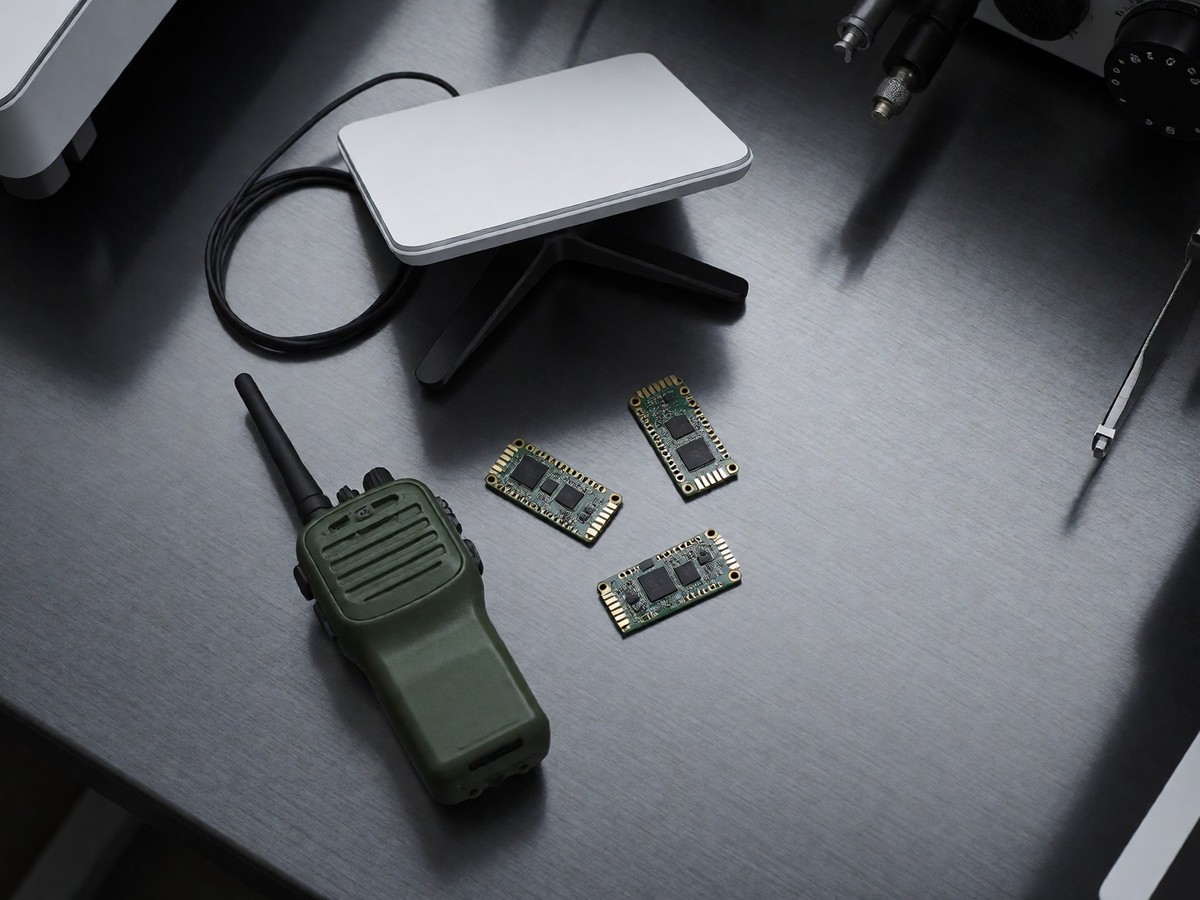
Elon Musk personally ordered the Starlink shutdown in Ukraine this October, a move that immediately affected the country’s ability to defend itself. Ukrainian forces rely on Starlink to communicate and manage the 21st-century battlefield, so Musk’s choice places the nation at the mercy of a private citizen. This decision proves that Ukraine’s military strategy now depends on domestic American political incentives. Musk invested $443 million to help Republican candidates in the midterm elections, an election occurring while Donald Trump attempts to turn Russian diesel into a political asset. If Democrats take either chamber of Congress, Musk will face intense scrutiny regarding his wealth and his companies. Secretary of State Marco Rubio said the U.S. government has no control over decisions made by private companies. Because the U.S. government declares itself unable to affect the decisions of the Republican Party’s most generous donor, Ukraine lacks the ability to contest battlefield changes through the diplomatic channels it has spent years cultivating. For four years, President Volodymyr Zelensky met with Congress and various presidents to build political relationships, but those efforts cannot contest the decisions of a private corporation. This vulnerability shows a paradox where Ukraine redefined modern warfare while never gaining control over the technologies on which its own survival depends.
The shift to subscription-based warfare
Modern warfare has moved away from the 20th-century model where a country could buy an airplane from a Boeing assembly line and own it completely. Today, military systems rely on software and privately maintained infrastructure that operate more like a subscription. Buying a piece of technology does not guarantee a nation control over how or where it uses that equipment. This shift forces allies to depend on American technological infrastructure, which may compromise their sovereignty even when they maintain strong political relationships with Washington. Weeks before the Starlink service was closed, Musk, Anduril CEO Palmer Luckey, and former House Speaker Newt Gingrich met to define the future of American military power. This meeting reflects the winding together of Washington and Silicon Valley under the second Trump administration. While the Trump administration uses diplomatic power to demand that allies depend on American AI technology, the government also sells that same technology to private buyers. This allows Silicon Valley leaders to make decisions about the future of American security, even when those decisions conflict with state interests. The U.S. government criticizes China for the deep integration of its technology sector, yet the current administration allows private companies to influence battlefield access based on their own incentives. This concentration of power in private hands makes Ukraine’s survival dependent on the personal incentives and interests of individuals beyond its political reach.