Explosives found in Volgograd shipment
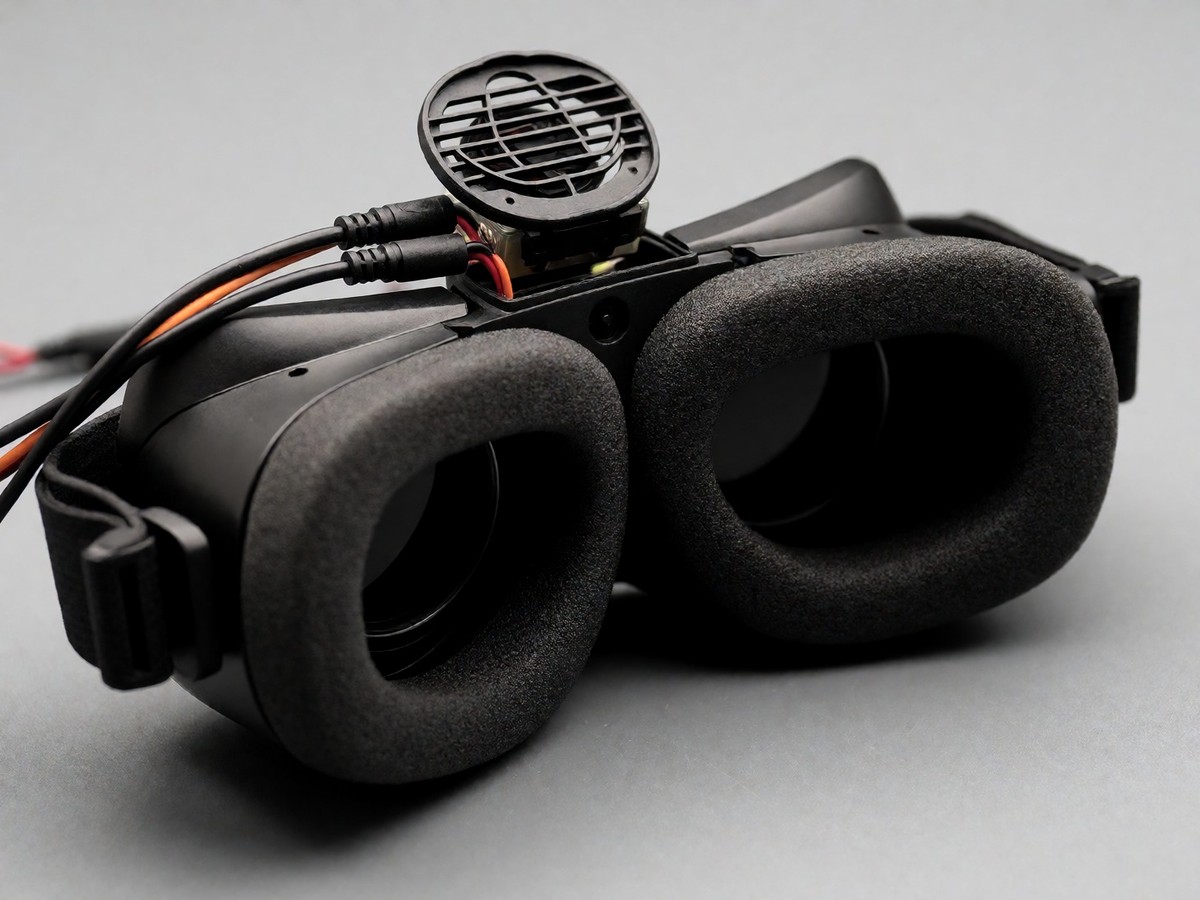
The Russian Federal Security Service (FSB) seized explosive-packed FPV drone goggles intended for Russian military personnel, according to a statement released on November 2. A Russian serviceman in the Volgograd region handed two pairs of goggles, which he had received from a volunteer, to the FSB for inspection on the instructions of military counterintelligence. Bomb-disposal experts found improvised explosive devices fitted in place of the cooling units. These charges would have gone off when the wearer switched on the goggles, and the FSB said the explosions could have killed the wearer. The FSB stated that agents of Ukraine’s special services posed as "pseudo-patriots" and contacted Russian humanitarian organizations and charities through anonymous Telegram accounts to arrange deliveries to Defence Ministry units while refusing to provide names, phone numbers, or jobs. These agents also refused to switch to the state-backed Max messenger for calls and instead asked for video messages of thanks from Russian soldiers in return. The FSB said it thwarted a series of sabotage and terrorist attacks using improvised explosive devices concealed inside FPV drone goggles intended for delivery to the Russian military in the special military operation zone, which were plotted by Ukrainian special services.
Previous attacks on drone pilots
The FSB investigative department in the Volgograd region has opened a criminal case and is trying to identify who sent the goggles. This seizure follows a similar operation reported by Ukraine’s military intelligence agency (HUR) in February 2025. During that period, approximately 80 sets of specialized goggles sent through Russian volunteer groups exploded between February 4 and February 7.
| Equipment Model | Incident Date | Reported Casualties |
|---|---|---|
| Skyzone Cobra X v4 goggles | February 4-7, 2025 | At least eight pilots injured |
The February explosions injured at least eight pilots, according to HUR. A HUR source told the Kyiv Post at the time that the "horrors of war are unfolding quite literally before the eyes of enemy FPV pilots." First-person-view (FPV) drones serve as the main killing weapon on the front line, and both armies lean on volunteer networks to keep their drone crews supplied with headsets, batteries, and spare parts. Because both sides rely heavily on these volunteer networks, the donation chain itself becomes a target for those trying to disrupt operations. The FSB noted that similar devices sent into Russia by the Russian Post were confiscated across the country.
FSB warnings and historical context
The FSB urged volunteer groups to accept aid only from reliable sources and to check all incoming packages for explosives. The agency reported that it previously neutralized bombs disguised as perfume sets, power banks, speakers, souvenir statuettes, church utensils, car parts, paving slabs, and heated insoles. This pattern of parcel bombs has been seen in other directions, as investigators in the Baltic states linked a 2024 campaign of booby-trapped parcels sent across Europe to Russian military intelligence. Kyiv had not commented on the FSB claim by the evening of November 2. The FSB investigative department in the Volgograd region remains focused on identifying the individuals who arranged these deliveries through humanitarian organizations.