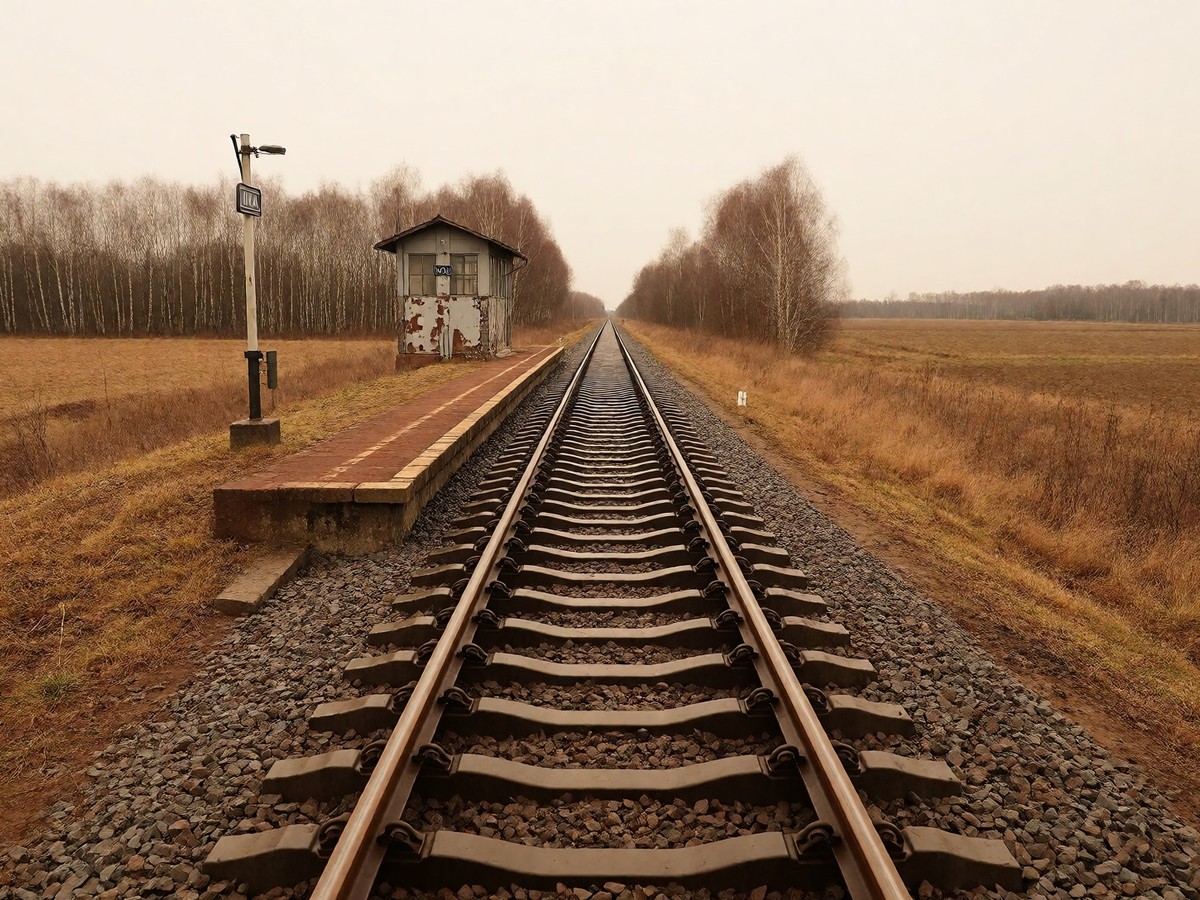
Polish prosecutors filed an indictment against Volodymyr B., a Ukrainian citizen accused of assisting Russian intelligence in last year’s sabotage of a rail line. The National Prosecutor’s Office published the charges on Thursday, identifying him as a participant in "the activities of Russian intelligence." He faces espionage, sabotage, and causing the risk of a major transport accident. If convicted, he could face up to life in prison. The most serious charge is acts of sabotage on behalf of foreign intelligence, which carries a minimum sentence of ten years. This follows the discovery of military-grade C4 explosives near Mika, where a detonation damaged only the floor of a freight train.
The November attacks and immediate aftermath
In November last year, authorities discovered sabotage on two sections of the Warsaw-Lublin rail line. A device containing C4 was detonated near the village of Mika in an apparent attempt to derail a freight train. The following day, a passenger train carrying 475 people braked suddenly in Pulawy due to line damage, though no one was injured. Prime Minister Donald Tusk announced that two Ukrainian citizens had entered from Belarus and fled back across the border immediately after the incident. Interpol issued red notices in December for Yevhenii Ivanov and Oleksandr Kononov, who remain at large. Volodymyr B. was detained in Poland a few days after the sabotage and charged with assisting in the attack. Prosecutors state he assisted Ivanov in conducting reconnaissance, selecting a place to plant explosives, and installing recording devices and metal elements on the rails.
Charges and broader context
The indictment describes the actions as creating an "imminent threat of a disaster" that threatened lives and property. Prosecutors claim the goal was to seriously intimidate many people and influence public opinion. Earlier this year, the International Centre for Counter-Terrorism identified Poland as the "primary focus" of Russia’s campaign of sabotage in Europe. Such actions have often been carried out by Ukrainians and Belarusians. Last month, the trial began for four men accused of arson attacks in Poland and Lithuania on Russian orders. This week, Poland detained and charged two more Ukrainians with espionage and sabotage. The case underscores the persistent security threats facing Polish infrastructure. The legal process now moves toward trial for Volodymyr B., while the other suspects remain fugitives. The specific details of his role highlight the logistical support required for such operations.