Drone trajectory and Polish response
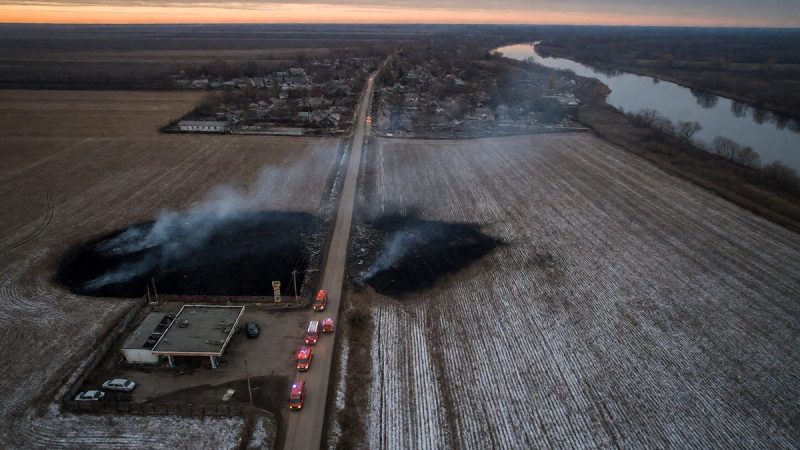
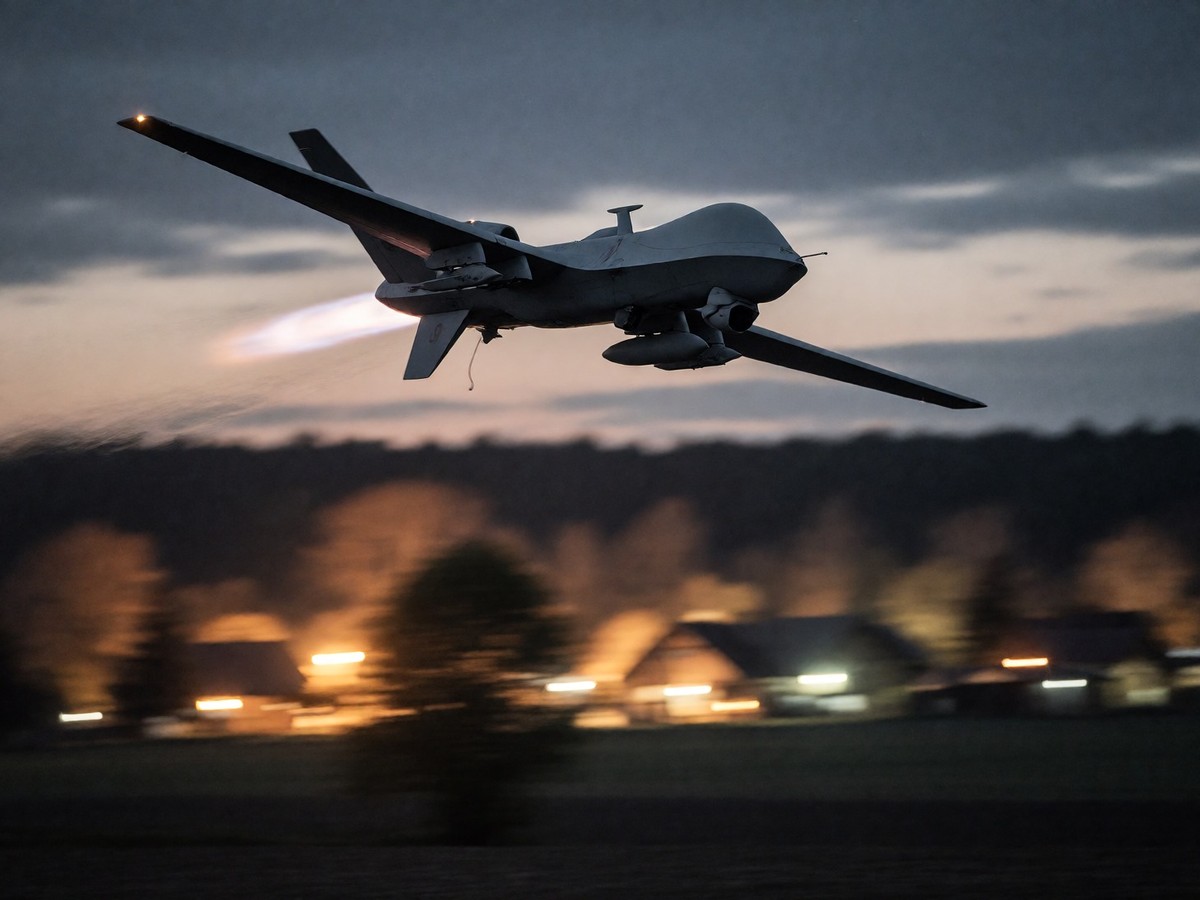
I find the Polish decision to hold fire while a Russian jet-powered drone looped over its territory for eight minutes on November 23 to be a risky way to manage civilian safety. The drone, a jet-powered observation model fitted with cameras, briefly violated Polish airspace during a Russian night attack on targets in western Ukraine. It crossed the border at 22:50 local time near the Dorohusk crossing. The object looped over the villages of Dorohusk, Turka, Busieniec, and Leszczany. According to the Ukrainian air-tracking channel Kudy Letyt, the drone traveled as far as the town of Chelm, which sits 25 km from the border, before it turned back toward Ukraine. Three separate Polish air-defence systems tracked the reconnaissance object throughout its flight. Although the Operational Command of the Polish Armed Forces authorized the shooting down of the object, the military decided not to fire once the drone turned east. The command cited the potential threat to civilians and the possible consequences of shooting down the object, because falling debris and the air-defence missile itself would pose a danger to people on the ground.
Pattern of incursions and night alerts
This incident marks the second Russian incursion in four days, following a mass strike on November 19-20 where three Russian objects fell into the Lublin and Podkarpackie provinces. On that night, Lieutenant General Ireneusz Nowak, the commander of Polish operational forces, said no weapons were used because not all conditions for firing were met. Prosecutors in Lublin identified those objects as Kh-101 cruise missiles built in recent weeks at the Dubna facility near Moscow. The government security centre issued an air-raid alert to Lublin province before 23:00, but it was lifted before midnight. This restraint stands in stark contrast to the events of September 2025, when Polish and allied jets shot down Russian drones over Polish territory for the first time. I consider this repeated hesitation to engage during night strikes a failure to establish a consistent deterrent against reconnaissance missions in the region. This second night without engagement follows the November 19 pattern of non-engagement.