Diplomatic movements in St. Petersburg and Abu Dhabi
Kremlin aide Yuri Ushakov told Vesti on Oct 25 that Russia will resume trilateral negotiations with Ukraine and the U.S. after Nov 4. This date follows Russia’s National Unity Day. Ukrainian President Volodymyr Zelensky said on Oct 23 that a new round of talks should occur in the first half of November, potentially in Abu Dhabi. U.S. envoys Steve Witkoff and Jared Kushner met Zelensky and European leaders Alexander Stubb and Jonas Gahr Store on Oct 20. Witkoff held a three-hour meeting with Vladimir Putin in St. Petersburg on Oct 21. Witkoff said discussions continue at the technical level. Putin seeks a meeting with Donald Trump in China next month to secure a favorable peace deal. Trump previously announced an energy ceasefire that failed and eased sanctions on Russian oil exports. Trump also threatened to cut off intelligence-sharing with Kyiv. Ushakov said he did not expect the first trilateral meeting after the pause to yield significant results, calling it a "trial run." The Kremlin continues to reject ceasefire proposals that do not involve Kyiv ceding the partially occupied Donbas, a strategically important region in eastern Ukraine.
Humanitarian crisis in Oleshky
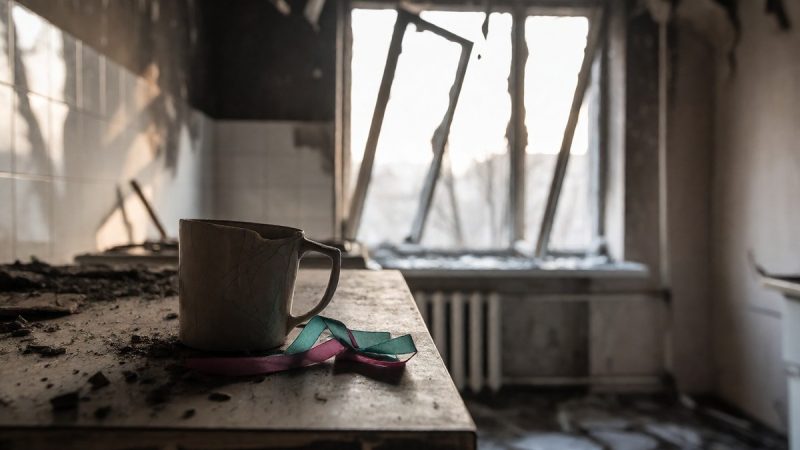
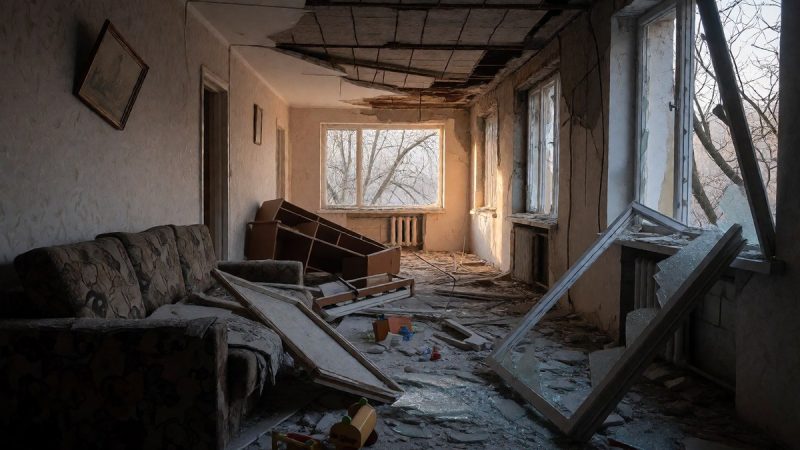
A woman who fled occupied Oleshky told the Kyiv Independent on Oct 24 that residents may not survive the winter. She said the town lacks food and fuel for heating. Ukrainian human rights ombudsman Dmytro Lubinets confirmed on Oct 23 that U.S. First Lady Melania Trump mediated a localized ceasefire in and around Oleshky to allow for the safe evacuation of civilians and delivery of humanitarian aid. Zelensky stated on Oct 24 that Ukraine will fulfill its part of this "extremely difficult" operation. Roughly 2,000 people, including nearly 50 children, remain in the town. The humanitarian situation in Oleshky is desperate. Residents already burned much of the available wood during the previous winter. The woman said she believes Russian authorities use civilians as human shields. Volunteer coordinator Stefan Vorontsov with the NGO Humanity expects Russian provocations and propaganda. In the past, people walked alone or in pairs through mined roads to reach Radensk, where four people were injured by mines in September and one man was killed. Over the past week, Ukraine brought back at least 34 citizens, including 23 children. One woman returned to government-controlled territory after her husband was admitted to intensive care. Between May 24, 2024, and Oct 15, 2026, 24,953 people returned to Ukraine through the Volyn humanitarian corridor. This total includes 2,054 children. In 2026 alone, 11,815 people, including 802 children, used this route. A 9-year-old boy named Stefan recently returned after undergoing military training with grenades and firearms under Russian occupation.
Security raids and infrastructure damage
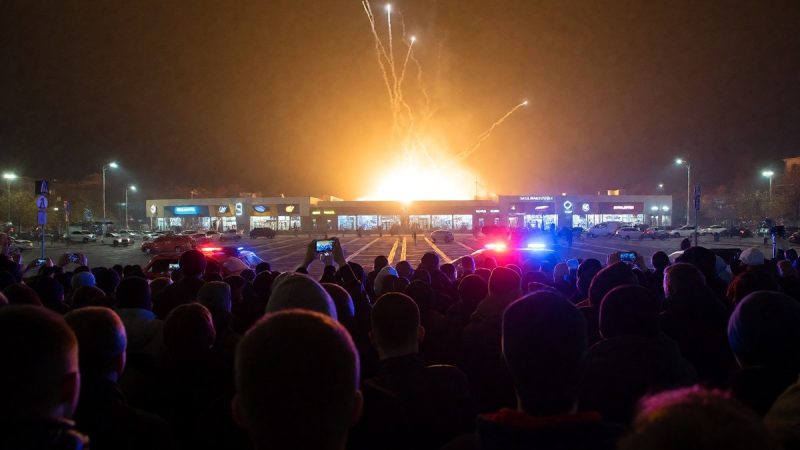
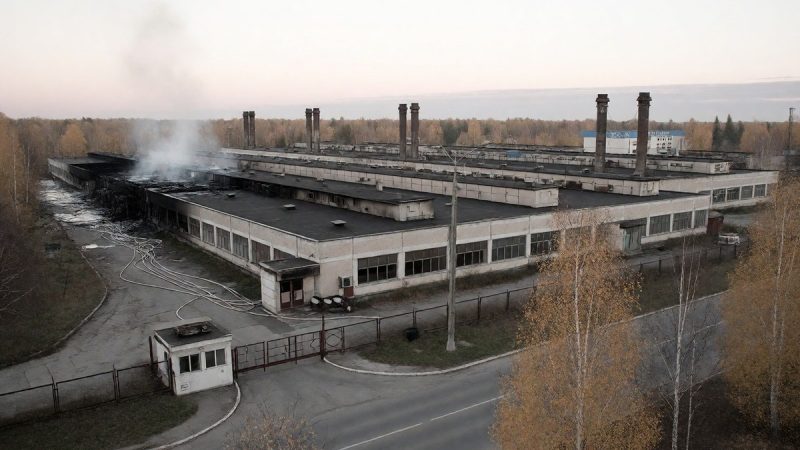
Russian-installed authorities in Crimea introduced electricity and water restrictions on Oct 24 after a Ukrainian drone strike hit energy infrastructure. The strike damaged the Taman substation in Krasnodar Krai, which supplies electricity to the peninsula. Major cities like Yalta and Sevastopol lost electricity. In Sevastopol, Governor Mikhail Razvozhaev reported rolling blackouts on a schedule of three hours on and three hours off. On Oct 22, a Russian court in Rostov-on-Don sentenced 77-year-old Crimean activist Volodymyr Ananiev to 18 years in prison for an alleged plot against Sergey Aksyonov. Ananiev, who walks with a cane, was detained in Simferopol in February 2024. During the first 10 days of October, Russian security forces conducted raids under "Illegal-2026" to target residents without Russian passports. Military intelligence says these raids pressure residents to take Russian citizenship. Residents without Russian documents face dismissal from work and property seizure. Around 300 people face politically motivated charges in Crimea, and 150 of them are Crimean Tatars. A Ukrainian strike on Oct 20 destroyed a data center used by Ugletelecom and Elecom in occupied Donetsk. Monitoring channel Exilenova+ shared footage showing the damaged facade of the building at Postysheva St. 60. Lawyer Nataliia Yurlova of Donbas SOS said the goal of passportization is to pressure as many people as possible.