New restrictions on propaganda
On Nov 13, Ukraine’s Center for Countering Disinformation announced that YouTube blocked 16 Russian channels in Ukraine. These channels belong to Russian propagandists, pro-war bloggers, and entertainers who support Russia’s war against Ukraine. The block affects Russian war correspondent Alexander Sladkov and pro-war blogger Sergei Kolyasnikov, who also goes by the name Zergulio. I see that the restrictions also target performers Nadezhda Babkina, Yulia Savicheva, Victoria Daineko, and Masha Weber, as well as the band Uma2rman. The list of blocked entities also includes the channels "Russian SVO Compilations" and "Sevastopol Correspondent." These measures limit access only within Ukraine rather than removing the channels worldwide. I find the ongoing cycle of these digital bans repetitive because the National Security and Defense Council reported 39 channels spreading Russian propaganda were blocked in Ukraine or removed from YouTube in October.
| Blocked Entity Count | Details |
|---|---|
| New channels blocked | 16 |
| October channel removals | 39 |
| August sanctioned citizens | 5 |
| August sanctioned organizations | 4 |
| Affected Personnel | Role |
|---|---|
| Alexander Sladkov | War correspondent |
| Sergei Kolyasnikov | Blogger |
| Uma2rman | Band |
Masha and the Bear bans
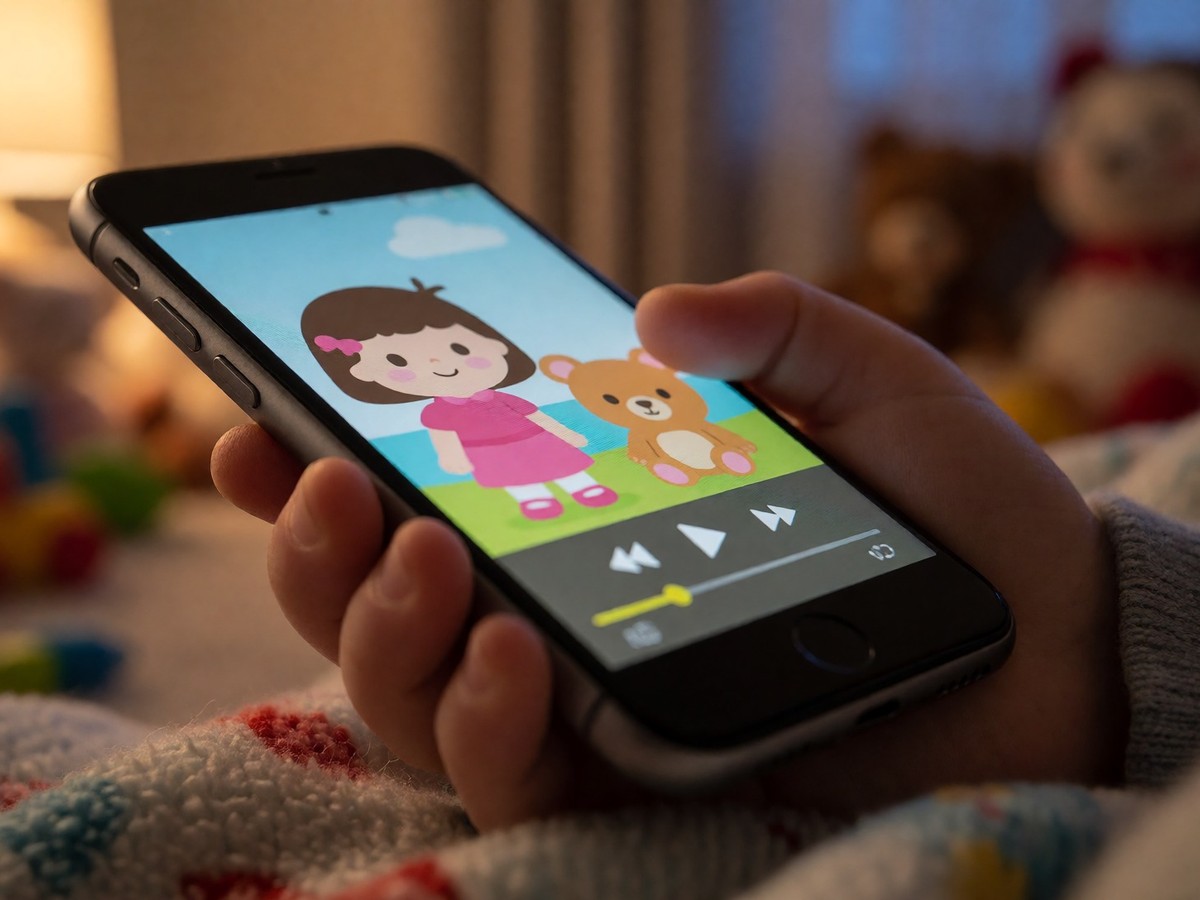
The current restrictions include foreign-language versions of the popular children’s cartoon Masha and the Bear, which follows sanctions President Volodymyr Zelensky imposed in August against five Russian citizens and four organizations, including animation studio Animaccord, which are involved in producing and distributing the cartoon. The Presidential Office accused the series of "promoting pro-Russian narratives disguised as children’s entertainment." YouTube previously restricted the cartoon’s Russian-, Ukrainian-, and English-language channels for viewers in Ukraine. I find the situation with this specific cartoon particularly frustrating because the Ukrainian government maintains that these animated series hide pro-war messages within child-friendly content. This latest move comes after the Presidential Office accused the animation studio Animaccord of being involved in producing and distributing the series that promotes Russian narratives. I think the persistent targeting of these specific media outlets shows how Kyiv works to limit Russian influence on digital platforms. These restrictions also target several foreign-language channels associated with the Russian animated series, because the Presidential Office previously accused the cartoon of promoting pro-Russian narratives.