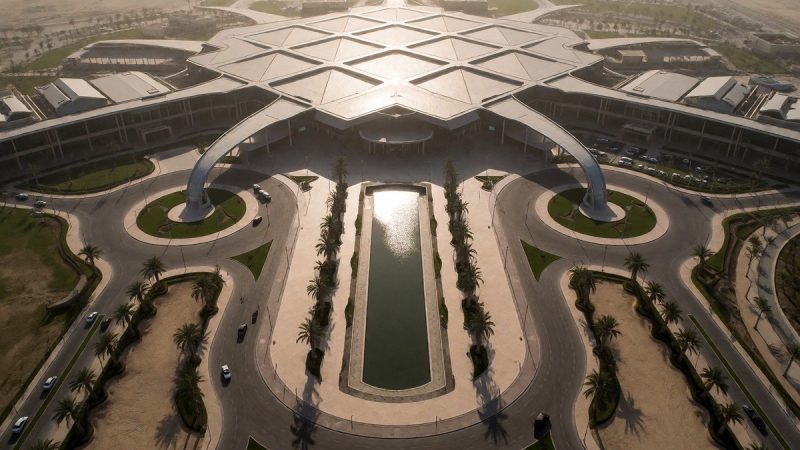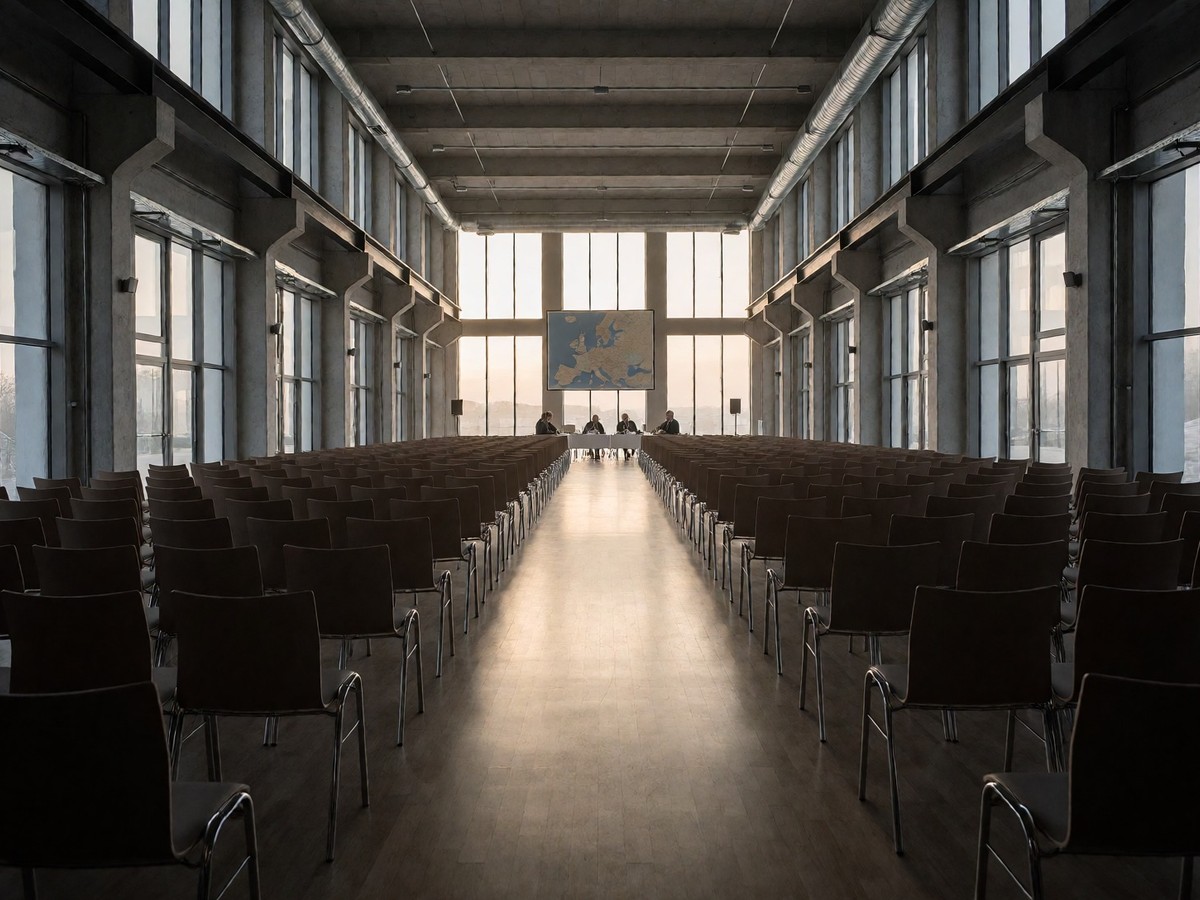
EU leaders picked an E5 team to speak for Europe during Ukraine peace talks in Dublin on November 13. The group includes France, Germany, the UK, Italy, Poland, and Brussels officials. European Council president Antonio Costa told reporters that the EU institutions and the E5 will handle negotiations. While the EU manages Ukraine’s reconstruction and prosperity, the E5 handles security guarantees in coordination with NATO. I find this decision effective because it prioritizes the five biggest military powers in Europe over previous political infighting. This choice sidelines Kaja Kallas, the EU foreign policy chief. Colleagues viewed her as too anti-Russian to manage negotiations, and one diplomat told Politico she was "probably the worst person you could pick." Kallas argued that if leaders want to change the June 2024 decision regarding representation, they have the authority to do so. This decision followed a week of public wrangling where leaders split into three camps: one backing Costa, one made of France and Germany, and the "loneliest camp" backing Kallas. Negotiators in Abu Dhabi on November 10-11 included high-level advisers. The UK sent National Security Adviser Jonathan Powell, while Germany sent Gunter Sautter, the foreign policy adviser to Chancellor Friedrich Merz. France sent Emmanuel Bonne, and Italy sent Fabrizio Saggio, an adviser to Prime Minister Giorgia Meloni. The EU institutions sent Bjorn Seibert, the chief of staff to European Commission President Ursula von der Leyen, and Anna-Maria Boura, an adviser to Antonio Costa. NATO sent Geoffrey van Leeuwen, who runs the office of Secretary General Mark Rutte.
Moscow Rejects Kallas and Sets Demands
Moscow rejects the involvement of Kallas in the peace process. Dmitry Medvedev wrote on his Max channel on November 13 that "nobody wants her" because she is "stupid." Kremlin spokesman Dmitry Peskov told Reuters that Moscow will only decide on dialogue once they understand "genuine intention" and readiness to contribute. Deputy Foreign Minister Sergei Ryabkov said on November 12 that European participation could "set back and undermine efforts" that gained momentum in Abu Dhabi. The EU leadership decided to include the UK and Poland in the E5 to ensure the most capable military powers in the region handle the security components of the peace talks alongside NATO officials. Polish Prime Minister Donald Tusk said in Dublin that the Russian demands in a recent "non-paper" are "unacceptable" to Europe. This document from November 10 contains specific demands that would force NATO to pull its forces and bases back to 1997 borders. This document also demands that France and the UK rule out using nuclear weapons to protect other European countries and requires that Western arms supplies to Ukraine end.
| Russian Demand/Proposal | Detail |
|---|---|
| NATO Borders | Pull back to 1997 limits |
| Nuclear Policy | France/UK must rule out nuclear use for others |
| Military Aid | End all Western arms supplies to Ukraine |
| Finland Status | Leave NATO |
| Territory | Hand over Donetsk and Luhansk parts to Russia |
| Demilitarization | Odesa and Mykolaiv must be demilitarised |
Will Security and Territory Standoff Break Negotiations?
The security architecture negotiations focus on territory and security guarantees. US envoys Steve Witkoff and Jared Kushner met Putin on November 12 to discuss these issues. Putin told the envoys that the war would "restart immediately" if any European troops arrived in Ukraine. This reaction targets the "reassurance force" intended for deployment by the UK and France after a ceasefire. While the US offered Ukraine Article 5-style protections in a draft in November 2025, Europe provided nothing comparable. A separate plan reported by Bild suggests that Finland leave NATO, Russia take parts of Donetsk and Luhansk, and Odesa and Mykolaiv become demilitarised. These proposals echo the 2022 Istanbul negotiations where Russia wanted to cap the Ukrainian army at 85,000 against the 250,000 Kyiv sought, and allow 342 tanks against the 800 requested. Kaja Kallas insists on a strict sequence: first a ceasefire, then a peace agreement, and only then any discussion regarding the wider security architecture. This position clashes with Russian Foreign Minister Sergei Lavrov, who said earlier in the week that Moscow wants to negotiate a broad European security framework before tackling the specifics of the war.