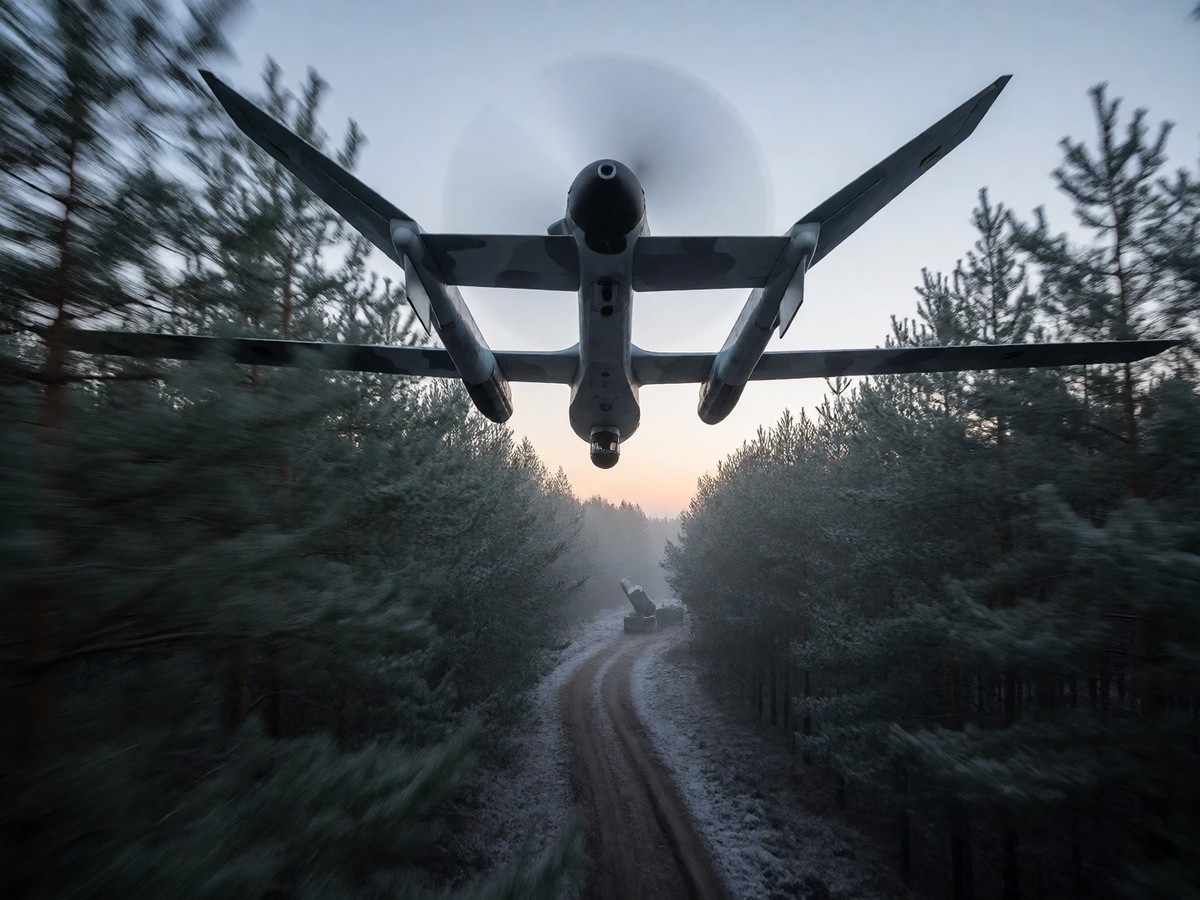
Ukraine’s asymmetrical response to missile strikes
Ukrainian Defence Minister Yevhen Khmara told Dutch Defence Minister Dilan Yesilgoz-Zegerius that Ukraine has already hit 12 ballistic missile launchers in Russia to counter the enemy’s strikes as the nation faces a shortage of interceptors. This strategy of targeting launchers is one way to counter ballistic missile strikes, according to a ministry readout. President Volodymyr Zelenskiy reported that Russia fired 36 ballistic missiles at Kyiv and the surrounding region on November 7. Only four of those missiles were brought down, according to Zelenskiy. He described a significant shortage of Patriot interceptors, noting that Ukraine receives a mere 12 rockets per month. This volume provides enough interceptors to fire one every three days. Ukraine’s strikes on launchers provide a necessary response to Russian missile volume, but the current interceptor supply cannot match the Russian capacity. In mid-October, Khmara reported that Iskander and S-400 launchers had been hit, including three destroyed and five damaged since the start of September.
Targeting the Iskander supply chain
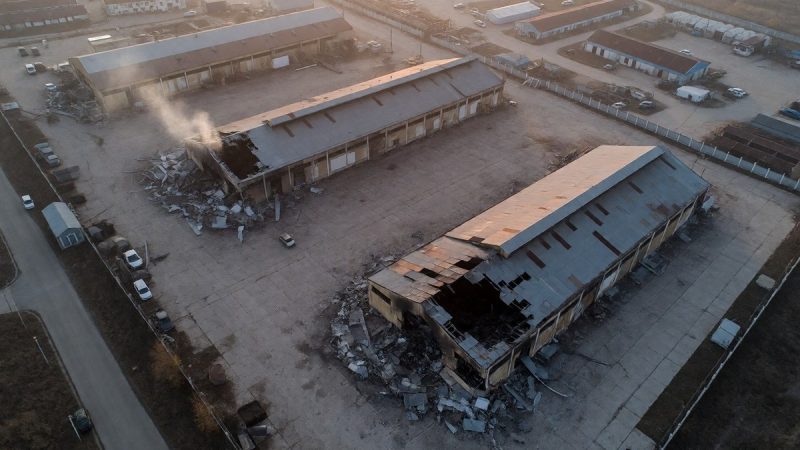
Ukrainian Navy missiles struck the Ionos drone plant and its storage site, along with a repair centre run by Aero-Hit, in Rostov-on-Don overnight into November 13, according to Ukraine’s General Staff. These Neptune missiles also hit the Proton-Electrotex plant in Oryol on November 7, a facility that produces parts for Iskander-M ballistic missiles and modules for Kover cruise missiles. Oryol governor Andrei Klychkov acknowledged that an enterprise’s production premises sustained partial damage. A satellite image published by OSINT Varta on November 11 shows one of the Oryol plant’s production buildings as largely destroyed, according to Militarnyi. Ukraine targets these facilities because it cannot stop every incoming missile.
| Missile/System | Details |
|---|---|
| Iskander-M production | 60 missiles per month (July 2025) |
| Russian Iskander-M stock | 115 missiles (October) |
| Total Russian ballistic stock | 700 missiles (October) |
| Russian Iskander-M production | 65 missiles per month (current) |
Serhii Beskretnov, a presidential adviser on military technology, said that Iskander crews are very careful when preparing for launch, as they move along forest roads to avoid detection by satellites and strikes, according to Euromaidan Press. Anatolii Khrapchynskyi, an aviation expert and former Air Force officer, told the Kyiv Independent that "the problem is the lack of weapons that could be used during the window of opportunity." A single Russian salvo uses between 16 and 26 launchers, according to aviation expert Anatolii Khrapchynskyi. While Ukraine has hit 12 launchers, Russia builds up to 65 Iskander-M missiles a month. Ukraine’s military intelligence agency HUR estimated Russia held about 115 Iskander-M missiles and 700 ballistic missiles of all types in October. Mykhailo Gonchar, president of the Kyiv-based Strategy XXI Centre for Global Studies, said that the number of Iskander missiles is dwindling due to strikes on the plant chain.
Intelligence gaps and satellite limitations
Intelligence sharing and satellite access limit the effectiveness of Ukrainian drone strikes. The US cut intelligence sharing in March 2025 following a dispute between Zelenskiy and President Donald Trump. While US envoys Steve Witkoff and Jared Kushner raised intelligence assistance in October, Ukraine received no advance warning before a Russian ballistic missile strike on Kyiv on the night of October 12. Zelenskiy told NBC on October 18 that sharing had been interrupted and restored.
Drone operations rely on Starlink, but the service does not operate inside Russia, according to Beskretnov. Starshield, the military version of the service, faced two speed restrictions in one month. Zelenskiy said on November 12 that a 161 kph speed cap returned over the front and occupied territory. SpaceX denied any change to the service. US Democratic senators Jeanne Shaheen and Chris Coons wrote that these restrictions raise the possibility that vulnerabilities persist within systems the US government relies on. Ukraine builds its own military satellite network, but its single satellite in orbit provides only a six-minute contact window daily. Russia’s version of the service, Rassvet, provides a two-hour window over Ukraine. The availability of Russian satellite coverage remains a persistent obstacle for Ukrainian long-range drone strikes.