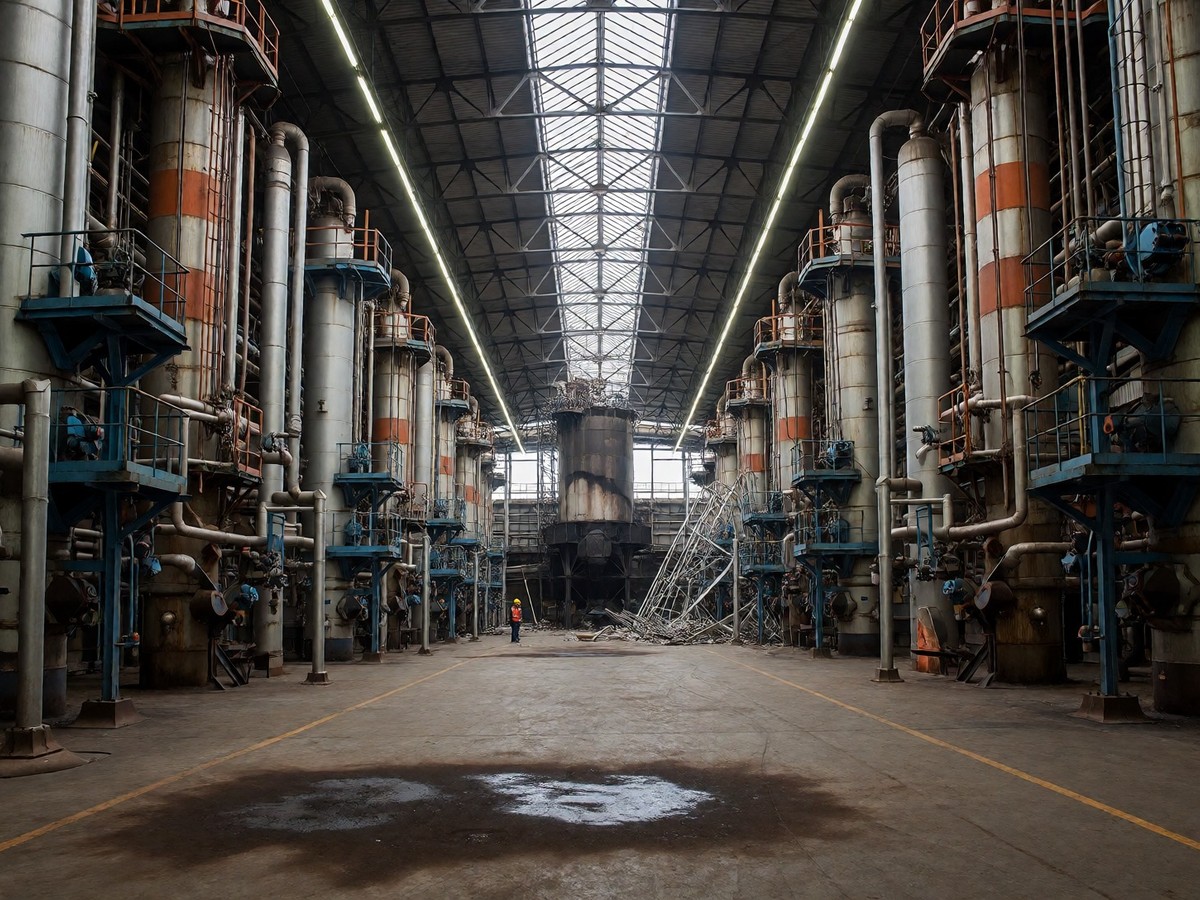
Escalating strikes on refineries
Ukrainian drones hit refineries responsible for 55% of Russia’s petrol and diesel, potentially triggering a third and most severe fuel crisis this year, according to analyst Sergey Vakulenko. These strikes target facilities such as the Omsk refinery, which has a capacity exceeding 21 million tonnes annually, and the Volgograd refinery, which processes more than 15 million tonnes per year. The General Staff of the Ukrainian military said it has hit five of Russia’s largest refineries since October 30. This surge in activity follows a lull after US President Donald Trump announced an energy ceasefire on October 11. IntelliNews records show eight strikes on Russian refineries in the first 13 days of November, compared to seven strikes during the entire month of October.
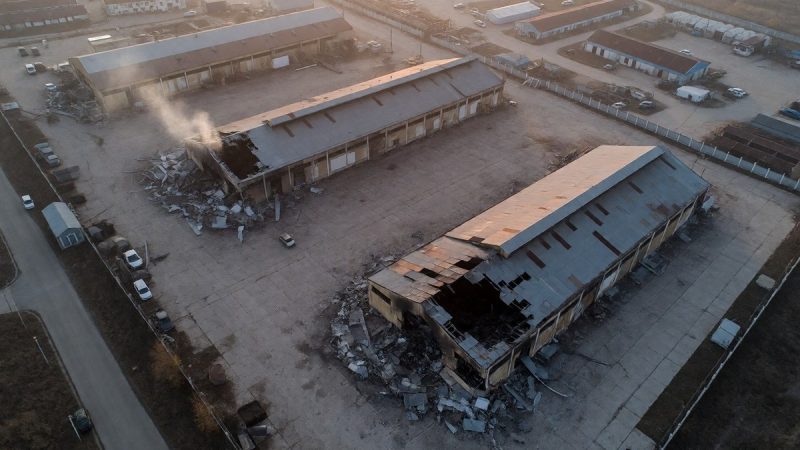
Regional governor Andrei Bocharov reported that four workers died at an unnamed industrial site following the strikes on the Volgograd refinery, which processes over 15 million tonnes of oil annually and accounts for about 5.6% of the national total. Special forces flew drones almost 3,000 km to strike the Omsk plant for the third time on November 11. Omsk governor Vitaly Khotsenko reported one injury at the plant, though NASA fire-detection data showed no new hotspot. The Kirishi refinery near St Petersburg, the country’s second-largest, also suffered a hit on November 9. Ukrainian military intelligence agency HUR stated that strikes put 15 of Russia’s 38 major refineries out of action by the end of September, though this figure remains unverified. Vakulenko, who called refinery attacks a nuisance in 2024, noted that the country is now crossing a threshold where trouble turns into major problems.
Tightening fuel restrictions
Russian officials struggle to manage the impact of these precision strikes. Rosneft reimposed petrol limits in Karelia, Buryatia, Novosibirsk Oblast, Krasnoyarsk Krai, and the Leningrad region on November 9. These limits cap petrol at 30 litres per vehicle at urban filling stations and 50 litres at roadside locations.
| Facility/Metric | Specific Value |
|---|---|
| Omsk refinery capacity | >21 million tonnes/year |
| Volgograd refinery capacity | >15 million tonnes/year |
| Volgograd capacity share | 5.6% of national total |
| Urban petrol limit | 30 litres per vehicle |
| Roadside petrol limit | 50 litres per vehicle |
| Diesel shipment fall | 31% (first 7 days of Nov) |
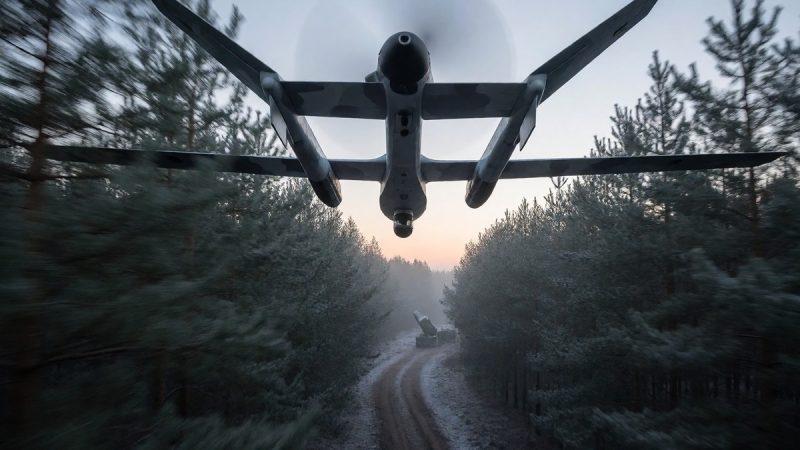
Repairing secondary units like catalytic crackers, hydrocrackers, or reformers takes six to eight months on average, according to the International Energy Agency. Western sanctions limit the equipment suppliers Russia can access to fix these units. Vakulenko noted that gasoline availability in Russia depends on a race between Ukrainian drones and Russian repair teams. Russian military bloggers via the Telegram channel Dnevnik Razvedchika claim Ukrainian operators watch strikes in real time to redirect drones toward nearby substations or storage tanks once a target is hit. Ukraine has also used jet-powered Nyan one-way attack drones from BAE Systems’ Callen-Lenz unit to strike refineries in the Moscow region, Yaroslavl, and Volgograd.
Supply shortages and export drops
Diesel and gasoil shipments from Russian ports fell 31% in the first seven days of November to about 337,000 barrels a day, according to Vortexa data reported by Bloomberg. No petrol cargoes appeared during that same period. Kazakhstan has extended its fuel export ban to May 2027 and has shipped only 8,000 tonnes of petrol to Russia since the summer. The share of jet fuel that oil companies must sell on the exchange was cut to 5% from 11% for the winter.
Vakulenko expects upcoming strikes on the Nizhnekamsk, Perm, and Tyumen refineries to impact two-thirds of the domestic petrol supply. He warned that if petrol output falls significantly, the government will have to restrict private consumption drastically. Russia could face a shortage of 60% against normal demand in the worst-case scenario. Current November demand remains about 5% below July levels. Stocks from October might cover about a week of national consumption.
The Moscow refinery, which was knocked out in June, was expected to stay offline for the rest of the year, but it was hit again in September. The IEA noted in November that persistent attacks on Russian energy infrastructure continue to choke off the country’s diesel supplies. Rosneft reported in October that it was stretching repairs that could take days into months at most of its damaged plants because of part shortages. In April 2020, Russian petrol consumption fell to 30% of normal during COVID-19 lockdowns, but current shortages stem from infrastructure damage rather than travel restrictions.