Station strikes and Oleshky evacuations
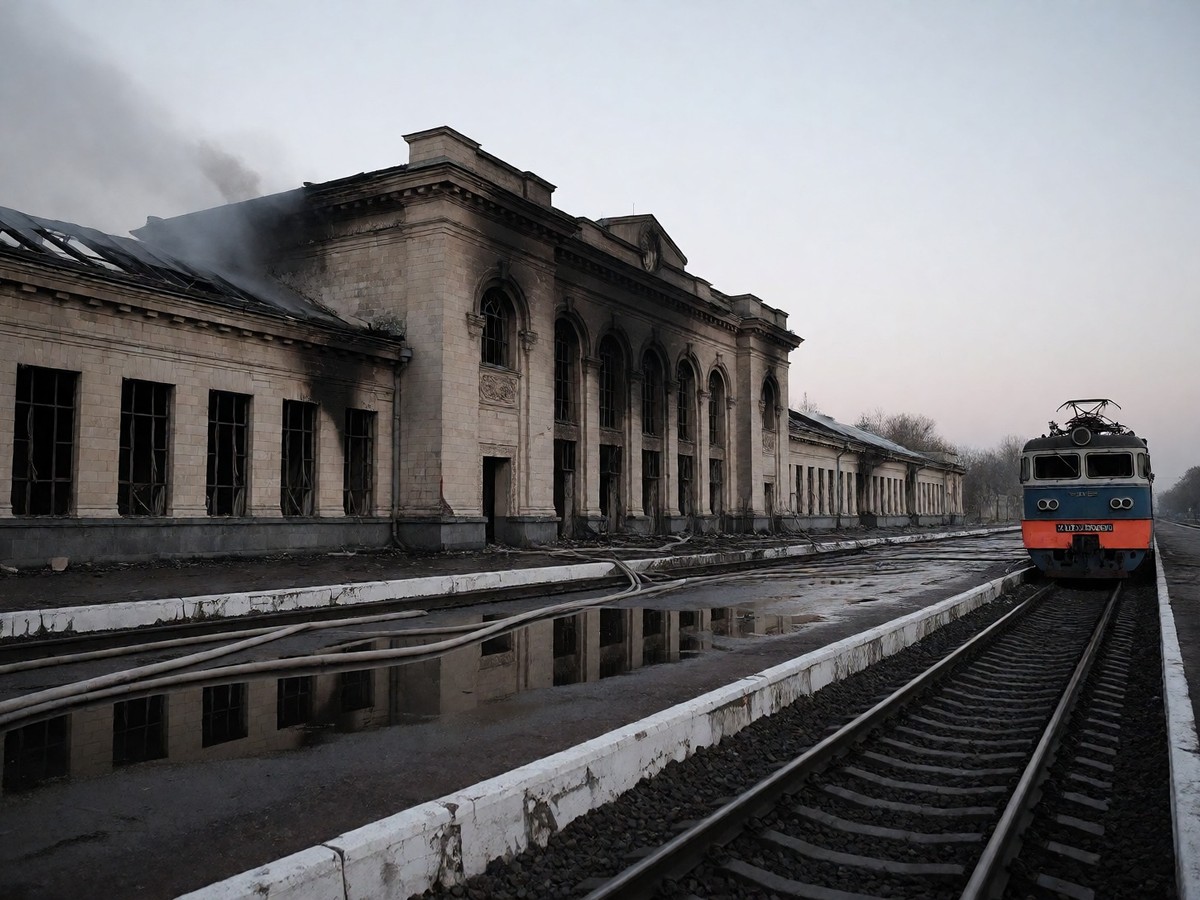
Russian forces launched new strikes on the Dnipro railway station on October 30, the day after a Russian drone strike killed 15 people and injured 14 others. Dnipropetrovsk Oblast Governor Oleksandr Hanzha reported that fire broke out at the station and a woman sustained injuries. Ukrzaliznytsia, the Ukrainian railway operator, warned that trains arriving in and departing from Dnipro face significant delays because of these repeated strikes on the station and locomotives. The company announced an evacuation ahead of the strikes and set up areas for extended stays in underground facilities where passengers could shelter from the attacks.
I find the humanitarian situation in Oleshky even more chaotic as 25 buses with a capacity for 750 passengers, plus ambulances for those with limited mobility, attempt to move residents out of the Russian-occupied territory. Residents in Oleshky face severe shortages of food, water, and electricity, while mined roads and constant drone attacks make leaving the city difficult. Ukrainian Human Rights Ombudsman Dmytro Lubinets and Russian Commissioner for Human Rights Yana Lantratova held a joint press briefing in Armiansk, Crimea, as evacuation convoys split toward Ukraine and Russia. The Ukrainian delegation traveled to Oleshky via Anapa in Russia’s Krasnodar Krai, from where they reportedly flew to Belarus before continuing by bus to Ukrainian-controlled territory, David Arakhamia, head of President Volodymyr Zelensky’s parliamentary faction, said earlier on October 30.
The mediation to allow this movement required the intervention of Melania Trump because previous efforts by the United Nations, the International Committee of the Red Cross, and Pope Leo XIV failed to secure a ceasefire. Lubinets said the Ukrainian and Russian delegations traveled with media from three countries, though photos from the Ukrainian Ombudsman’s Office show mostly Russian media outlets. Lubinets also noted that around 11:30 a.m. Kyiv time, the Ukrainian delegation reached Oleshky and the 80-hour ceasefire remained in effect.
Missile strikes and energy infrastructure
Ukrainian forces struck an Iskander-M missile launcher near the town of Fatezh in Russia’s Kursk Oblast, according to the Ukrainian General Staff. This strike on the short-range ballistic missile system occurred at a site used to reload missiles between October 29 and October 30. The General Staff also reported strikes on ammunition depots and repair facilities in occupied Donetsk, Kharkiv, and Luhansk oblasts, including a logistics depot near Bilovodsk, a repair unit near Rubizhne, and a repair and recovery base near Pysarivka. On October 29, Ukraine’s Navy used domestically produced Neptune missiles to strike two Russian Su-34 fighter-bomber jets at the Marinovka military airfield in Russia’s Volgograd Oblast.
I consider the scale of the energy destruction a massive blow to the grid as the heating season starts, because Energy Minister Denys Shmyhal reported that Russia has damaged more than 800 Ukrainian energy assets since September. Russia carried out more than 350 attacks on infrastructure and hit substations and power generation sites. To counter this, the government approved a mechanism to provide almost Hr 939 million ($20 million) in loan financing from the Finnish-Ukrainian Investment Fund to Ukrnafta. This funding supports four projects to install gas-engine power plants in Ivano-Frankivsk and Lviv oblasts to add around 60 megawatts of capacity.
| Energy Infrastructure Data | Details |
|---|---|
| Damaged assets since September | 800+ |
| Infrastructure attacks since September | 350+ |
| Transformers with physical protection | 235 |
| Finnish-Ukrainian loan amount | $20 million |
Resumption of refinery strikes
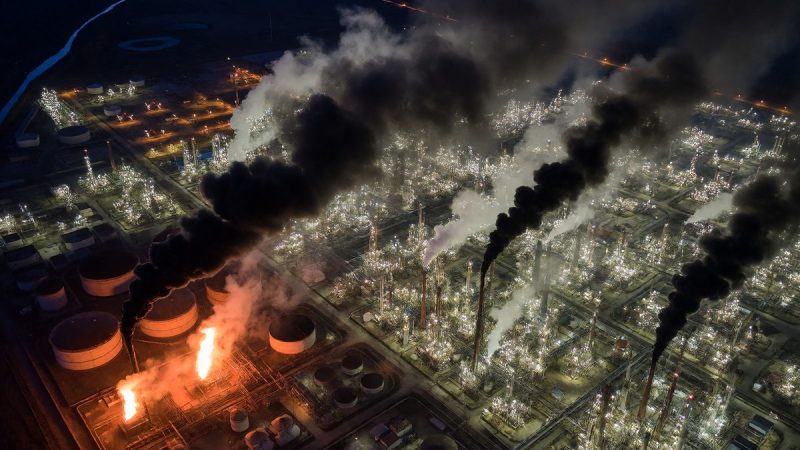
Russian Deputy Prime Minister Alexander Novak stated that Ukraine attacked three Russian refineries and one gas-chemical complex on October 30. He claimed the Russian air defense system worked, though he did not name the specific locations. One target was the Novokuybyshevsk Oil Refinery in Samara Oblast, where a fire broke out overnight. Ukrainian defense company Fire Point reported using FP-1 drones to hit the facility, specifically its diesel hydrotreating unit. Satellite images from the investigative project Schemes show thick black smoke covering the area around the refinery. Governor Vyacheslav Fedorishchev said that two people died in Samara Oblast while clearing up the aftermath of the drone attack. Monitoring channels described the strike as a resumption of strikes; they noted it was the first such attack following an unofficial pause in Ukraine’s campaign against Russian oil refineries that began in mid-October. I find Novak’s claim that the defense system worked to be a poor excuse for the continued success of these drone strikes.