Refining capacity reductions
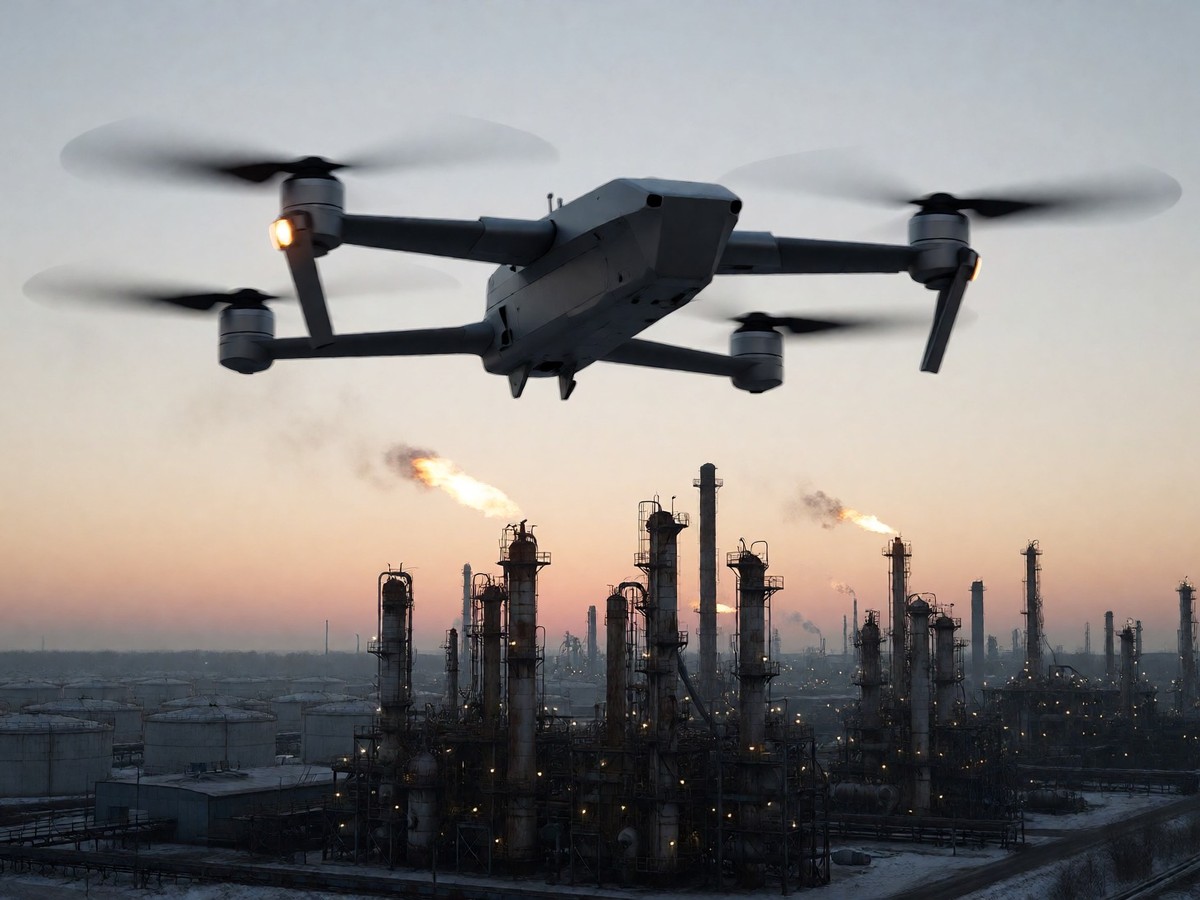
President Volodymyr Zelenskiy stated on November 15 that Ukrainian drones have put more than 55% of Russia’s oil refining capacity out of action. This figure follows a report from Commander-in-Chief Mykhailo Drapatyi regarding Kyiv’s "long-range sanctions." This claim exceeds previous figures from the Ukrainian defence ministry, which reported 51% on October 4 and 45% in September. I find the gap between Kyiv’s numbers and independent data problematic. The Missile War Monitor’s ledger tracks 33 crude oil refineries and records drone strikes on 29 of them since June 2022, and these 218 strikes hit facilities with a nameplate capacity of about 277mn tonnes per year. While Ukraine’s military intelligence agency HUR said in early November that 15 of 38 major refineries were out of action by the end of September, the 12 refineries last reported fully halted in the ledger have a combined capacity of 133mn tonnes, or 41% of the national total. In September, Lukoil’s Kstovo plant ran at only about a quarter of its capacity. Ryazan remains the most-attacked site with 17 strikes, followed by Yaroslavl, Afipsky, and the Ufa complex with 16 each. The four plants that have never been hit are Achinsk, Angarsk, Komsomolsk, and Khabarovsk.
Recent strikes and fuel shortages
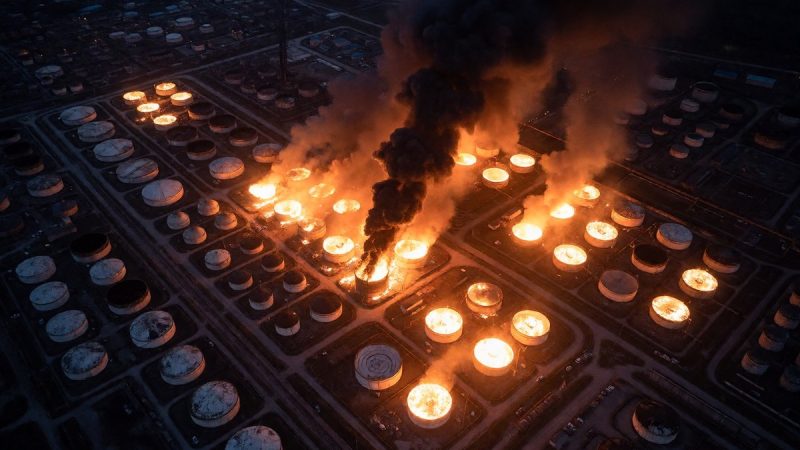
The drone campaign hit nine refineries since November 1, following seven strikes in October. On November 9, strikes hit Russia’s second-largest refinery at Kirishi, and on November 11, a drone hit the Gazprom Neft plant at Omsk, where residents reported a fire. On November 13, falling debris killed four workers at a facility in Volgograd, and on November 15, Ukraine’s General Staff claimed drones hit the only primary distillation unit at the TAIF-NK refinery in Nizhnekamsk. These strikes coincide with Russia’s third fuel crisis of the year, as Rosneft reimposed fuel rationing in several regions on November 9. This follows a first wave of shortages in May that hit the real economy by July, and a second round in August that led to regional rationing in September. The campaign also targets export hubs, such as the Ust-Luga port where an attack on November 11 burned five petroleum storage tanks and injured three workers, according to reports from the Leningrad region governor. Zelenskiy linked the strikes to Russian attacks on Ukrainian energy infrastructure and cited 131 strikes on the Dnipropetrovska oblast alone since September. I think the impact on Russian energy supplies is clearly escalating as the strikes reach deeper into Siberia.