Multiple fires reported at Slavneft-YANOS facility
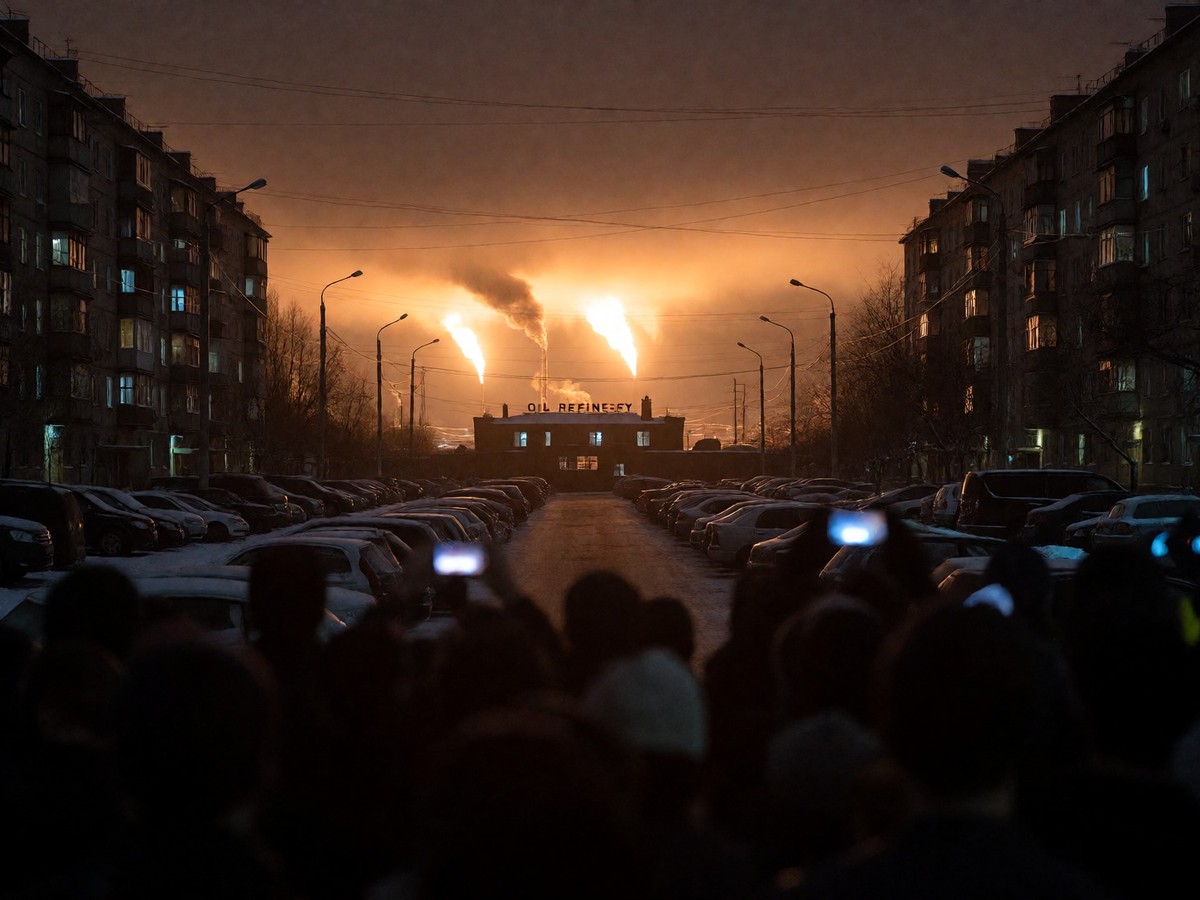
Ukrainian drones struck the Slavneft-YANOS refinery in the Russian city of Yaroslavl overnight on Nov. 3, which prompted local residents to report three separate fires occurring within the industrial zone. This facility, which is one of Russia’s largest oil refineries, is located approximately 250 kilometers northeast of Moscow and processes approximately 15 million metric tons of crude oil annually to produce gasoline, diesel, aviation fuel, and other petroleum products. The Exilenova+ Telegram channel reported the targeting of the refinery, though no information regarding casualties or damage was available at the time of publication. This strike follows a Sept. 17 attack that damaged the facility’s AVT-3 crude oil processing unit, according to Ukraine’s General Staff. Kyiv has intensified its strikes on Russian oil infrastructure in an effort to disrupt fuel supplies and weaken Moscow’s ability to finance its war.
Russia expands drone capabilities with Gerbera-2
Russia modified its Gerbera decoy drone into a long-range, one-way attack model called the Gerbera-2, according to a technical breakdown published by Ukraine’s military intelligence agency (HUR). The original Gerbera was designed as an inexpensive decoy intended to overwhelm and confuse Ukrainian air defenses, but the new Gerbera-2 features upgraded flight avionics, a larger fuel tank, and a rear-facing camera designed to detect approaching Ukrainian drone interceptors.
| Gerbera-2 Specification | Value |
|---|---|
| Operational range | 1,200 km |
| Warhead weight | 25 kg |
| Wingspan | 3 meters |
| Fuselage length | 2.6 meters |
The increased operational range of the Gerbera-2, which was made possible by the addition of a larger fuel tank, indicates that its area of application may extend beyond the territory of Ukraine. HUR analysts identified components manufactured in the United States, China, Taiwan, Switzerland, Ireland, and the Netherlands in the wreckage of a Gerbera-2 carrying a 25-kilogram warhead that was discovered on the Baltic coast of Poland in mid-September. This expansion of Russian drone capability follows a massive increase in strikes, as Yurii Ihnat, head of the Air Force’s communications department, stated on national television on Nov. 2 that Russian forces launched more than 4,000 jet-powered drones and 4,740 propeller-driven drones at Ukraine in October. These jet-powered models reach speeds of up to 600 kilometers per hour and fly at higher altitudes, making them harder for Ukrainian air defenses to intercept.