Inflationary pressures
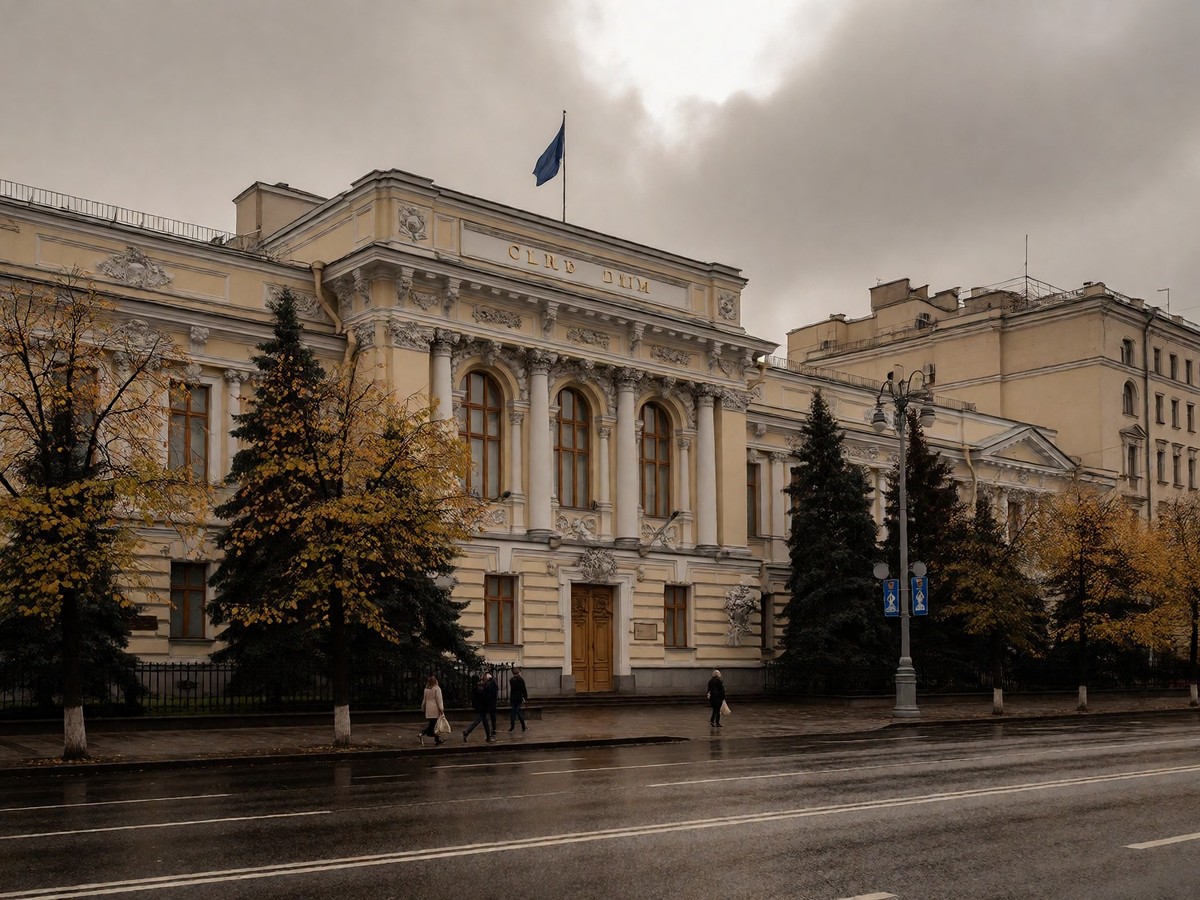
The Bank of Russia held the rate at 14% on October 23 because current price pressures remain elevated. Economists polled by the RBC business portal expected this second hold in a row. The regulator paused its easing cycle in September after ten consecutive cuts brought the rate down from 21% in June 2025. Annual inflation stood at 6.8% as of October 19, which remains well above the 4% target. The bank now expects annual inflation to end the year at 7.1-7.6%, which is above its previous 6-7% forecast, as the regulator sees underlying price growth running at 5-6% on an annualised basis. It will set the rate according to inflation dynamics, inflation expectations, and risks from domestic and external conditions.
| Metric | Value |
|---|---|
| October 23 rate | 14% |
| October 19 inflation | 6.8% |
| 3Q26 seasonal inflation | 8% |
| 2Q26 seasonal inflation | 4.8% |
| 3Q26 core inflation | 6.2% |
| 2Q26 core inflation | 4.5% |
Seasonally adjusted price growth accelerated to 8% in 3Q26 from 4.8% in 2Q26. The core measure rose to 6.2% from 4.5% during that period. The bank blamed temporary capacity constraints in some industries and volatile items, primarily motor fuel, for the spike; researchers at the bank said inflation topped 7% after October utility tariff increases and drone attacks idled production and logistics capacity.
Economic outlook and market impact
High inflation expectations are holding back disinflation. Household and business expectations eased slightly in October but stayed close to two-year highs in recent months. Financial market participants and analysts saw expectations rise instead. "This requires restrained growth in aggregate demand to resume a decline in underlying inflation," the bank said. The bank expects inflation to return to the 4% target in 2027, setting a baseline average rate for 2027 at 12.5-13.5%. The regulator works from fiscal policy parameters the government announced to help slow inflation, though it warned that monetary policy may need adjustment if those parameters change.
The economy is growing at a moderate pace in the second half of the year, according to high-frequency data. Business sentiment improved slightly in October, consumer demand growth is slowing but remains elevated, and investment activity continues to recover from the start of the year. Unemployment remains near historic lows while wage growth is slowing. Companies plan more moderate wage indexation in 2027 than in 2026. The MOEX index fell 0.45% to 2,418.68 points shortly after the 13:30 Moscow announcement. The ruble pared its gains against the yuan.