Handover of border control
Armenia will replace Russian border guards with its own forces to end Russia’s decades-long role in guarding the country’s borders. Prime Minister Nikol Pashinyan said on Nov. 26 that Armenia intends to assume full responsibility for protecting its borders in the coming years. This plan replaces Russian personnel, who operate under the Federal Security Service (FSB), with Armenian forces. A bilateral agreement signed in 1992 maintains these border roles for both nations. Speaking at a press briefing following a government meeting, Pashinyan noted that Armenia has already begun this process through specific location handovers. He expressed appreciation for the long-standing presence of the Russian forces while stating that the responsibility must shift to Armenia. "We are grateful to the Russian border guards for having stood at our borders all these years. But I believe the time has come for us to fully assume responsibility for protecting our borders in the coming years," Pashinyan said.
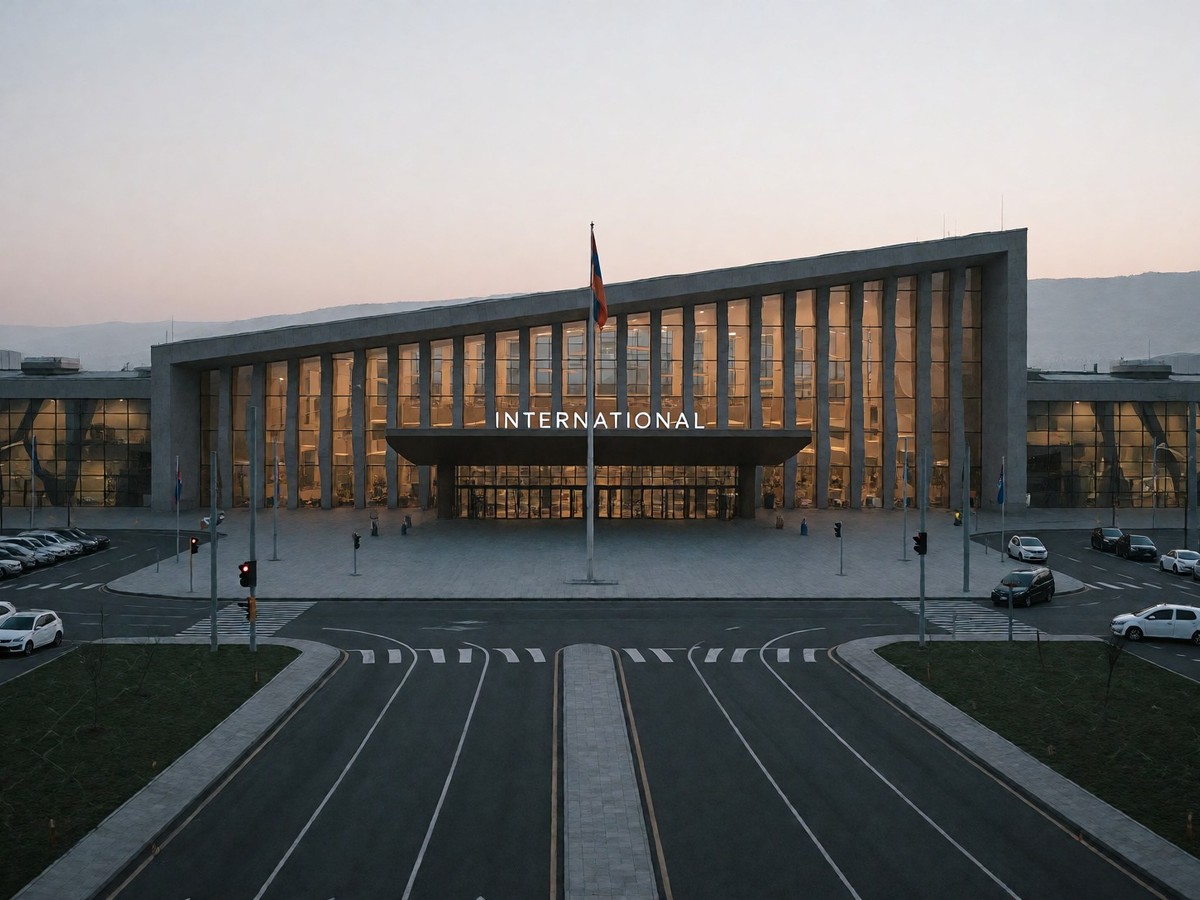
Russian personnel left Zvartnots International Airport in August 2024. Armenian border guards also took over the Margara crossing on the Turkish border in February 2025. The transition to Armenian border control follows a period where Russian personnel left Zvartnots International Airport in August 2024 and Armenian border guards assumed sole responsibility for the Agarak crossing on the Iranian border in January 2025.
| Border Location | Change Date | Current Status |
|---|---|---|
| Zvartnots International Airport | August 2024 | Russian withdrawal |
| Agarak crossing (Iran) | January 2025 | Armenian sole control |
| Margara crossing (Turkey) | February 2025 | Armenian sole control |
Friction with Moscow
Pashinyan did not provide a specific timeline for the complete withdrawal, but he stated, "the time has come for us to fully assume responsibility for protecting our borders in the coming years." While Armenia moves to take greater control, Russian and Armenian border guards still conduct joint patrols across other sections of the borders with Turkey and Iran. The policy shift follows the February 2024 decision to freeze Armenia’s participation in the Russian-led Collective Security Treaty Organization (CSTO). Yerevan accused the alliance of failing to fulfill its security obligations during confrontations with Azerbaijan. This change in security management occurs because of deteriorating relations between Armenia and its traditionally significant security partner, Russia. The reduction in Russian forces follows a gradual diminution of their presence as Yerevan moved to take greater control of its border security.