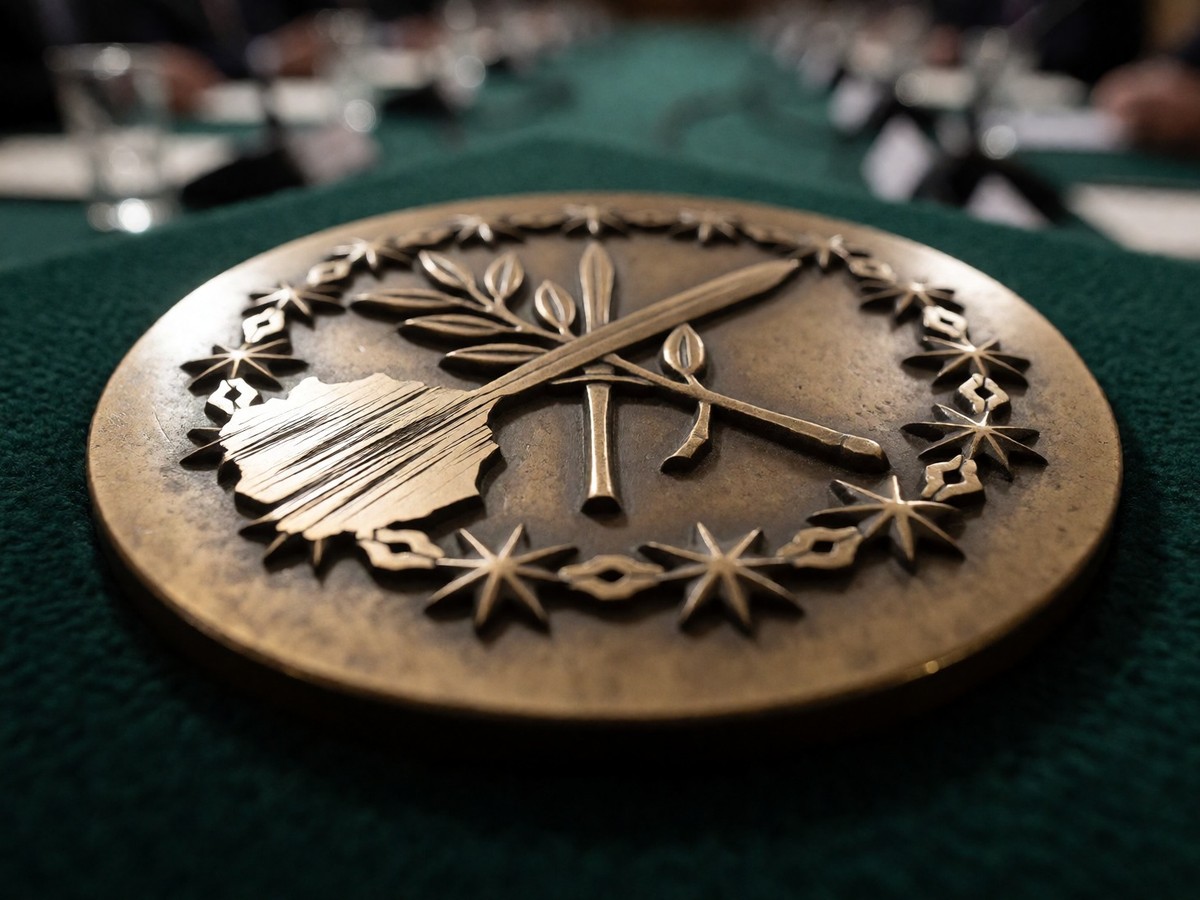
Kremlin spokesperson Dmitry Peskov announced on November 11 that the Collective Security Treaty Organisation has stripped Armenia of its voting rights and its right to appoint representatives to senior positions. The decision, taken at a summit in Moscow, formalizes a rupture between Yerevan and the Russia-led security bloc after years of deteriorating relations. Russian Foreign Minister Sergei Lavrov stated on November 10 that Armenia’s contributions to the CSTO budget were more than two years in arrears, which triggered the application of Article 25 from the organisation’s charter. This specific article provides for the suspension of voting rights and access to quota-based positions when a member falls at least two years behind on financial obligations. The restrictions will remain in force until all outstanding payments are made, effectively sidelining Armenia within the alliance structure while it remains a formal member.
The Financial and Political Rupture
The move follows Armenia’s suspension of participation in the bloc in February 2024, a step taken after Yerevan accused fellow members of failing to support it during Azerbaijani incursions into Armenian territory in 2021 and 2022. Prime Minister Nikol Pashinyan declared on November 5 that "our interest in the CSTO has run its course," signaling that Yerevan views the alliance as obsolete. Although Pashinyan had previously threatened to withdraw, Armenia has not initiated the formal procedure under Article 19, which requires six months’ notice, so Moscow reports receiving no official withdrawal request. Foreign Minister Ararat Mirzoyan ruled out a return to the organisation on October 28, cementing the political distance despite the lack of legal exit. The dispute is part of a wider deterioration in relations as Yerevan pursues closer ties with the European Union, including the introduction of biometric passports that meet EU standards.
Russian officials have linked this security friction to economic pressure, restricting imports of Armenian flowers, wine, and brandy in recent months. A report commissioned by four EAEU members estimated that suspending Armenia’s membership could reduce its GDP by 15.6% and increase the price of natural gas by 69% to $300 per 1,000 cubic metres. Deputy Foreign Minister Alexander Pankin cited these figures on November 9, warning of severe economic consequences if Yerevan continues its westward drift. Pashinyan, who won the June general election, has accused "certain circles" in Russia of seeking to destabilise Armenia through these measures. Lavrov warned in August that Armenia would eventually have to choose between membership of the Eurasian Economic Union and closer integration with the EU, a dilemma that now has concrete financial penalties attached.
The other CSTO members, including Russia, Belarus, Kazakhstan, Kyrgyzstan, and Tajikistan, continue to operate the bloc by consensus, leaving Armenia as a participant that boycotts meetings and military exercises. Masadykov, the CSTO Secretary General, clarified that the organisation was not proposing expulsion, adding that such a decision rests solely with the leaders of the member states. By evening on November 11, Yerevan had issued no official response to the stripping of its voting rights, leaving the immediate diplomatic fallout uncertain. The situation underscores how deeply the security relationship has unravelled, with Armenia formally inside the organisation but without the power to influence its decisions or hold senior appointments.