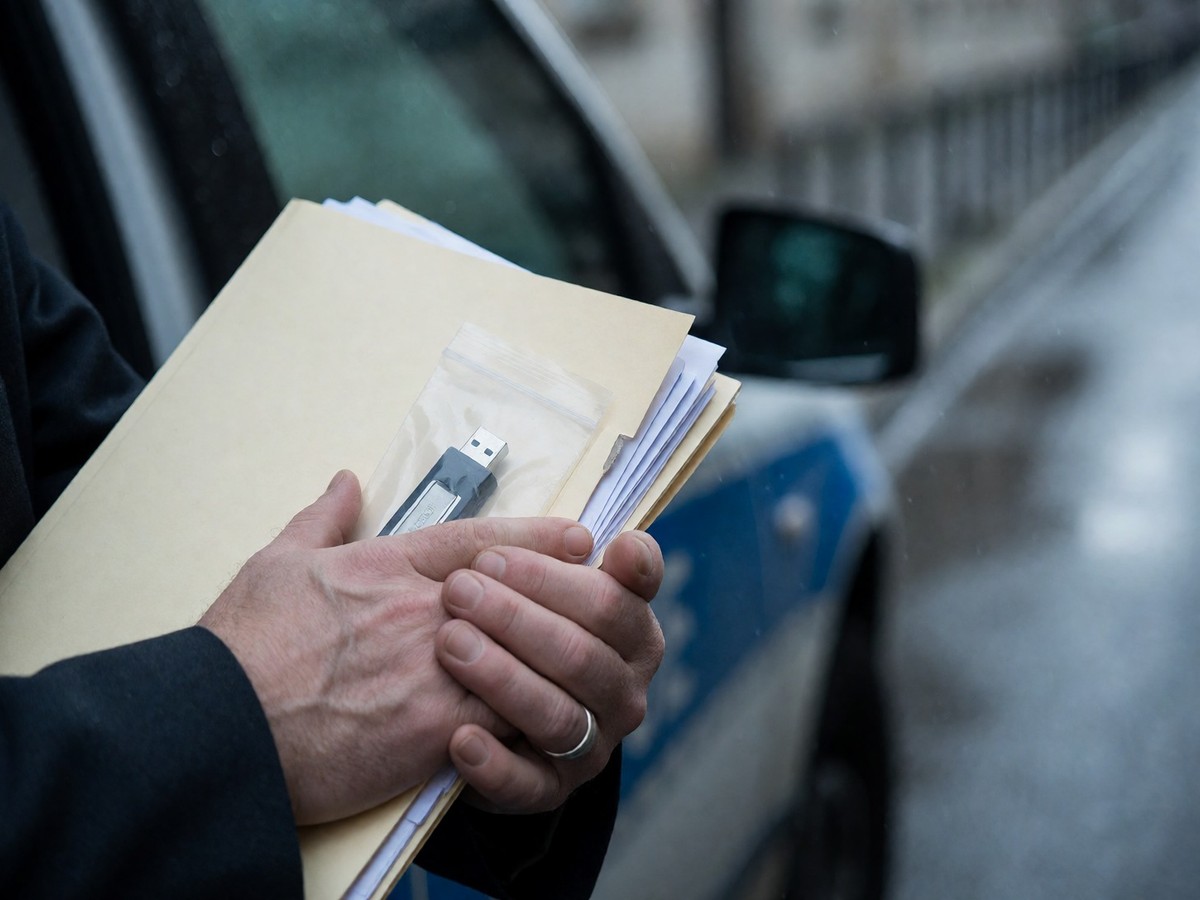
Police confirmed on November 10 that Hungarian authorities detained four individuals, including Aron Orban, the younger brother of former prime minister Viktor Orban. The National Bureau of Investigation and the National Office for Asset Recovery and Protection executed coordinated raids to seize documents and electronic devices from properties linked to the suspects. Investigators allege the group facilitated the entry of more than 100 Vietnamese nationals into the Schengen Area in 2024 by processing visa applications through Hungarian diplomatic missions in Vietnam. They demanded recruitment fees in exchange for these services, operating within a criminal association suspected of human smuggling for financial gain. Photographs later showed Aron Orban being taken to a Budapest detention centre, although police declined to confirm his identity publicly at the time.
The Network and Whistleblower
Telex.hu investigated the case and uncovered an extensive network involving Aron Orban’s company, Multi Shoot Zrt. The firm allegedly charged thousands of euros per person to secure entry into Hungary and the wider Schengen Area using company invitation letters. Most migrants did not attend the "micro-training" courses listed as their purpose for short-term stays; instead, they intended to travel onwards to Western Europe. Andras Dezso, a Telex.hu journalist, obtained a USB drive from Soma, a businessman who had paid two intermediaries claiming to work on Aron Orban’s behalf. Soma failed to secure the promised visas for Nepalese workers and subsequently filed a criminal complaint with the Central Investigative Prosecutor’s Office. He was questioned as a witness in June 2024 before dying unexpectedly just days after handing over the storage device containing emails and secretly recorded conversations. An audio recording released in 2024 captured Aron Orban discussing visa matters with a cabinet employee, where he complained that consuls blocked applications despite prior approval.
Political Fallout and Responses
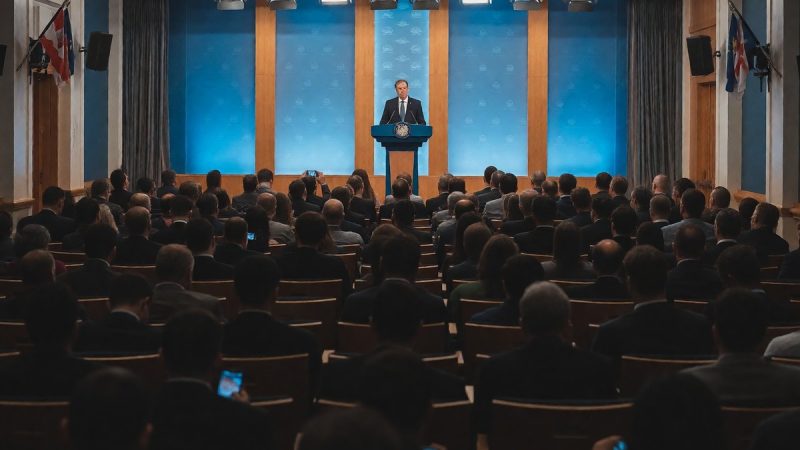
Viktor Orban reacted by stating he was the actual target of the operation and his brother was "merely a means to an end." He accused the government of aiming to eliminate political opponents and build a one-party system through this "dirty game." Parliament’s national security committee was scheduled to examine the handling of communist-era secret service records on November 9, but the meeting lacked a quorum after governing Tisza party MPs boycotted the session. Gergo Bendeguz Cseh, director-general of the Historical Archives of the Hungarian State Security, offered his resignation after a database error incorrectly identified 164 people under surveillance as informants. The government launched a searchable online database covering some 60,000 people on November 4, fulfilling a flagship election promise, yet a data error wrongly identified around 160 surveillance targets as informants within days. Opposition Fidesz will initiate a parliamentary committee of inquiry to establish who bears political responsibility for what they call the "Tisza Party’s agent scandal." NVVH President Anna Unger said the case highlights patterns of alleged corruption and abuse of power while offering an opportunity to recover assets quickly.