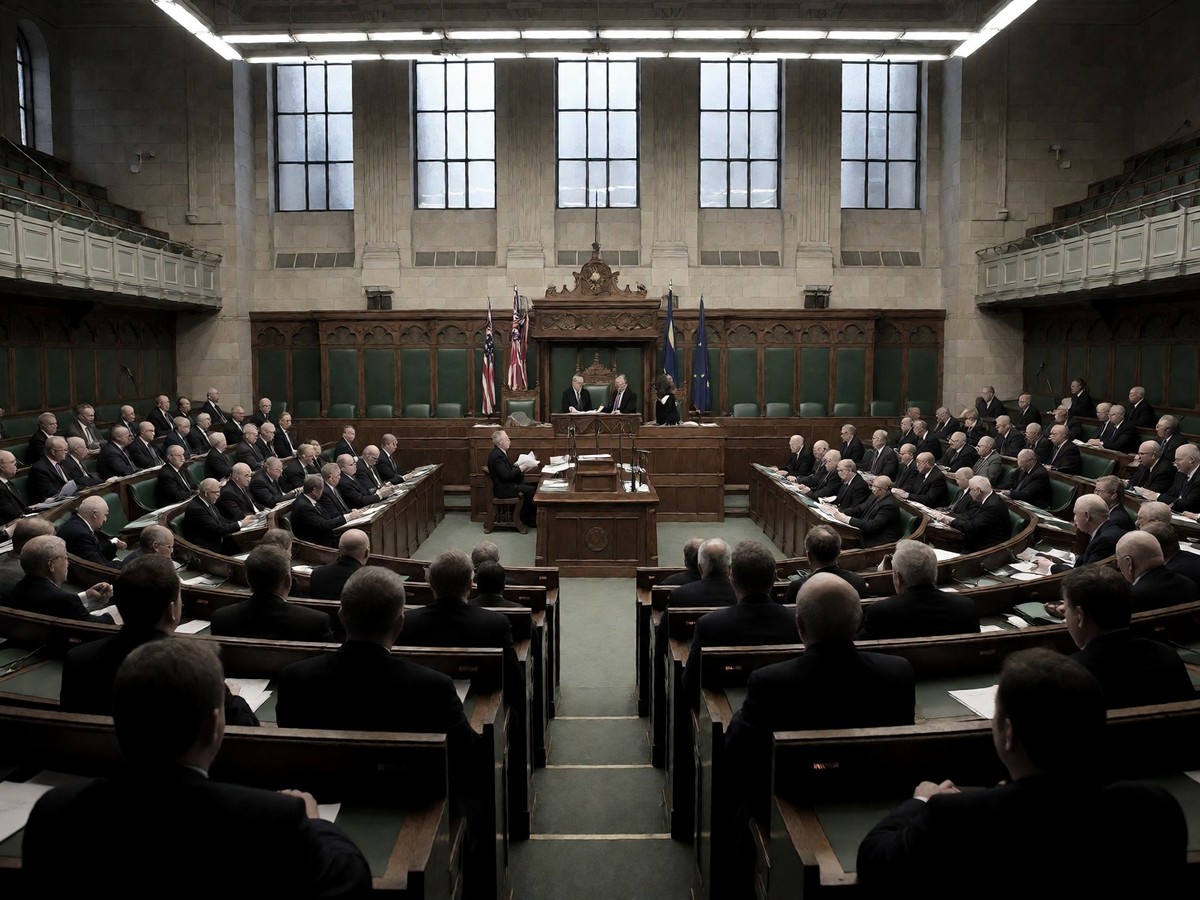
Ukraine’s parliament voted on November 10 to tighten penalties for the bribery of foreign public officials in international business transactions. President Volodymyr Zelensky initiated the legislation as part of a broader effort to combat international corruption and meet commitments on the path to EU membership. The adoption is a necessary step toward completing Ukraine’s accession to the Convention on Combating Bribery of Foreign Public Officials in International Business Transactions, which provides for cooperation between countries in investigating corruption offenses. Kyrylo Budanov, head of the President’s Office, wrote on social media that this means "tougher penalties for international corruption" and "strengthening the trust of our partners." He added that the move fulfills commitments made during European Union accession negotiations. The bill specifically addresses cases where foreign officials are offered or given bribes to secure favorable contracts or other improper advantages in international dealings.
Closing Legislative Gaps
Serhii Ionushas, head of the parliamentary law enforcement committee, stated that the bill aims to improve criminal and criminal procedure laws while strengthening accountability mechanisms. According to Ionushas, the primary goal is to close existing legislative gaps that previously left certain cross-border bribery schemes unaddressed. The new framework ensures that prosecutors can pursue individuals who offer or give bribes to secure favorable contracts in international business dealings. This shift moves beyond domestic corruption statutes to target specific acts involving foreign state actors. By aligning national law with OECD standards, Ukraine seeks to demonstrate its capacity to enforce anti-corruption measures consistently. The legal changes create a clearer path for judicial cooperation with partner nations. Investors and trading partners may view this as a signal of increased regulatory rigor. However, the effectiveness of these provisions remains to be seen in actual court proceedings. The bill does not alter penalties for domestic bribery, which remain subject to separate statutory limits. It focuses exclusively on the international dimension of corrupt practices.
Strategic Implications
The passage of this bill occurs amid ongoing military conflict and diplomatic efforts. Rustem Umerov, chief of the Foreign Intelligence Service, noted that the agenda includes questions related to ending hostilities and moving closer to peace. These remarks come ahead of U.S.-mediated peace talks scheduled for November 10 – 11 in Abu Dhabi. While the security situation dominates daily headlines, the legislative progress underscores Ukraine’s commitment to institutional reform. The state-owned energy company Centrenergo reported significant impacts from recent Russian strikes, though the extent of damage requires further inspection. In a separate incident, an employee at the Zaporizhzhia Thermal Power Plant was killed by a drone, according to the IAEA. Despite the immediate threats to infrastructure, the government continues to advance its economic and legal integration goals. The new anti-bribery laws aim to stabilize the investment climate by reducing perceived risks of corrupt interference. Partners in the European Union have long demanded such reforms as a precondition for deeper economic ties. The bill’s successful passage removes one major obstacle in those negotiations.