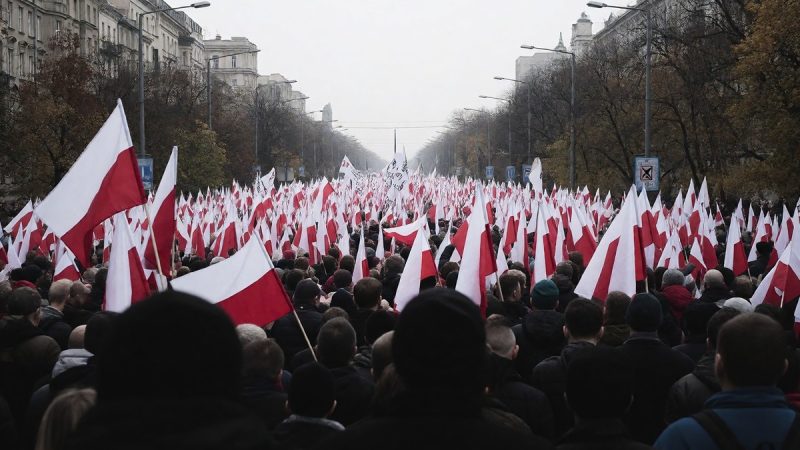
On Wednesday, Russia’s Federal Security Service (FSB) announced it had "disrupted the activities of an intelligence network" operating in Kaliningrad. The agency claimed to have detained two alleged agents, one from the Military Intelligence Service and another from the Internal Security Agency, who were collecting data on military personnel and facilities. FSB officials stated that seven Polish citizens and three Russians received official warnings, while the Poles were banned from entering Russia. The release coincided with Poland’s national Independence Day, a timing that Warsaw immediately condemned.
Verification and skepticism
Polish security spokesman Jacek Dobrzynski dismissed the announcement as "yet another provocation and act of disinformation." He urged the public not to amplify hostile narratives or play into Russian propaganda. Foreign ministry spokesman Maciej Wewior said Poland is working to verify the information but urged "extreme caution" when dealing with such claims. He warned against falling for Russian propaganda and becoming pawns in this game.
Investigative service OKO.press raised specific doubts about the material shared by the FSB. It noted that the alleged Polish-language phone messages contain unnatural wording and appear translated from Russian. The footage showing detentions also appears recorded much earlier, judging by the green foliage on trees. Stanislaw Zaryn, former security services spokesman, agreed that the materials are clearly "prepared in advance." He argued that Moscow will resort to fabricated evidence to legitimise earlier accusations against Poland of preparing an attack on Kaliningrad.
Context of escalating tensions
The FSB announcement came one week after Poland charged six people, five Poles and one Russian, with illegally supplying military components to Kaliningrad. Prime Minister Donald Tusk reported that individuals with flashlights were spotted at the border, but forces quickly mobilised to prevent a provocation. Poland sent additional security personnel to border regions following intelligence reports suggesting planned sabotage.
Espionage investigations in Poland have surged recently. The Internal Security Agency launched 48 investigations related to espionage last year, more than twice the number in 2024. Combined, those two years saw more cases than the previous three decades. An International Centre for Counter-Terrorism report identified Poland as the "primary focus" of Russia’s campaign of sabotage in Europe. In response, Poland closed all Russian consulates on its territory, prompting a tit-for-tat closure of Polish consulates in Russia.