Immunity lifted
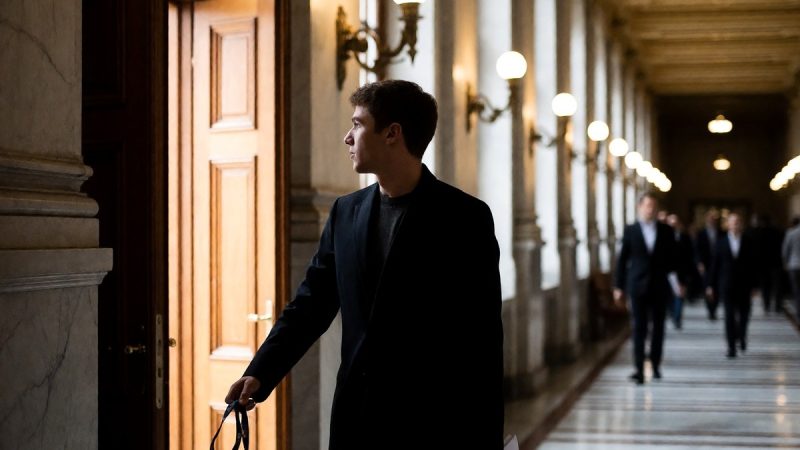
A group of eight judges who took control of the Polish Constitutional Tribunal on 30 October approved motions to strip chief justice Bogdan Swieczczkowski and deputy head Bartlomiej Sochanski of their legal immunity. Prosecutor general Waldemar Zurek, who also serves as justice minister, filed the requests to allow criminal charges against the two officials. The tribunal also rejected two other requests from Zurek to lift the immunity of Swieczczkowski because the motions contained formal deficiencies. The court did not consent to the detention or pretrial arrest of Swieczczkowski or Sochanski. The group of eight judges who took control of the TK on 30 October, after riot police held back protesters, approved the motions from prosecutor general Waldemar Zurek to strip the immunity of Swieczczkowski and Bartlomiej Sochanski. I find the sudden takeover by the parliamentary majority to be a direct assault on judicial independence.
Criminal allegations and ECHR setbacks
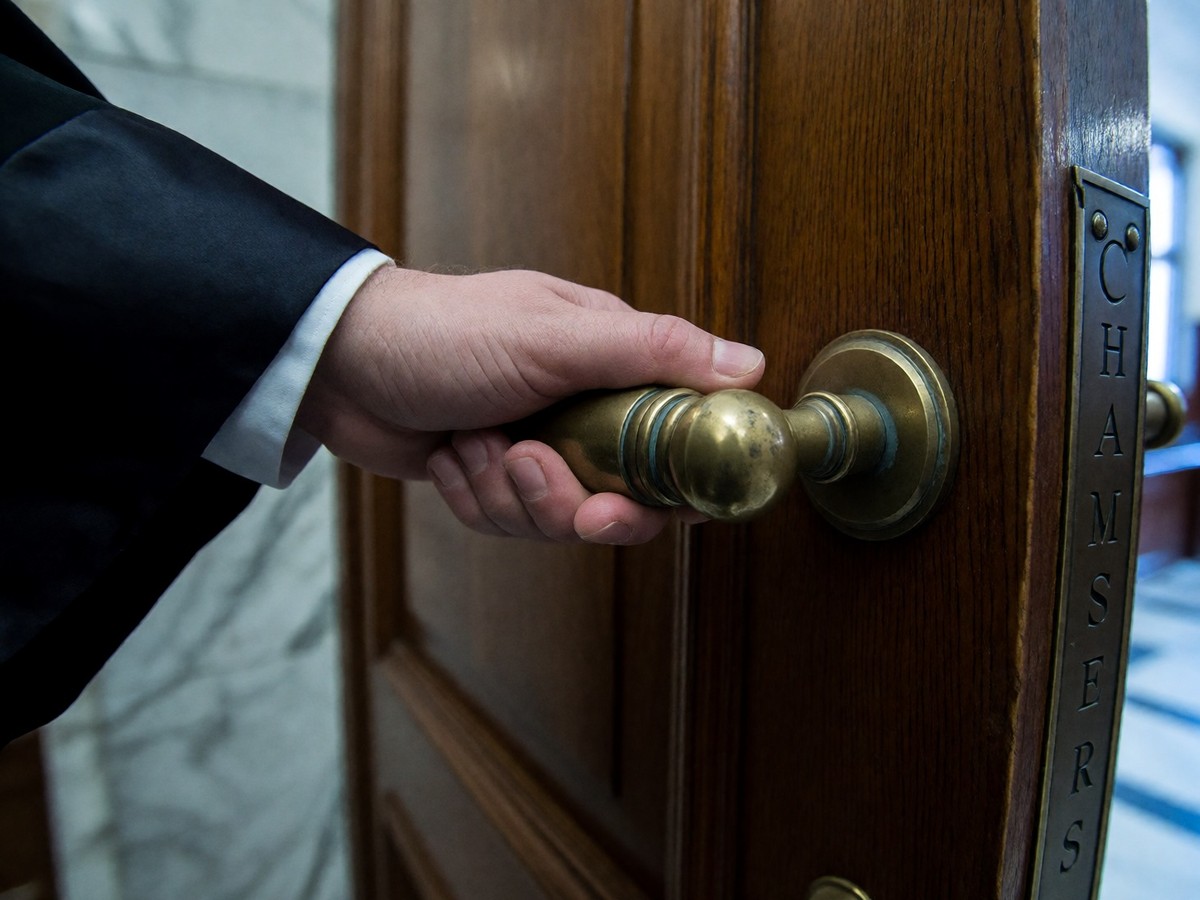
The eight judges, who the current government says took control after riot police held back protesters, also suspended Swieczczkowski and Sochanski for their failure to fulfill their duties. They launched internal disciplinary proceedings against the pair, with hearings for those cases scheduled to take place later this week. Prosecutors want to charge Swieczczkowski with abuse of power and dereliction of duty because he refused to allow five judges, chosen by parliament this year, to take their seats on the court. He also faces allegations regarding his time as national prosecutor under the former Law and Justice government. Prosecutors allege he made unauthorized use of material gathered from surveillance and maliciously reassigned prosecutors to different locations as a form of punishment. Most strikingly, prosecutors allege that Swieczczkowski used violence to physically prevent those five judges from entering the judges’ chambers at the TK.
| Alleged Offense | Details |
|---|---|
| Dereliction of Duty | Refusal to admit five judges appointed by parliament this year |
| Physical Violence | Use of force to prevent judges from entering chambers |
| Surveillance Abuse | Unauthorized use of material gathered during national prosecution |
| Administrative Misconduct | Maliciously reassigning prosecutors as punishment |
Swieczczkowski argues he cannot admit those judges because Polish law requires them to swear an "oath before the president" first. This dispute follows a decision in May when the European Court of Human Rights ordered that the five judges President Karol Nawrocki has refused to swear in be admitted to the TK. Swieczczkowski ignored that order, claiming the ECHR lacked the authority to issue it. On Tuesday, the ECHR also rejected a request from Swieczczkowski and Sochanski for an emergency order to suspend all proceedings against them. The court found that the applicants failed to demonstrate an imminent risk of irreparable harm to the core of their rights. Swieczczkowski immediately rejected the decisions, calling the eight judges who took control "usurpers."
Political stalemate and bank intervention
The legal struggle involves a deep divide between the current coalition government and the officials appointed during the previous administration. President Nawrocki continues to recognize Swieczczkowski as the chief justice and condemns the takeover by the eight judges. Supreme Court chief Zbigniew Kapinski also sides with Swieczczkowski and Nawrocki, telling RMF on Wednesday morning that any decisions made by the eight judges "have no legal force." I find the central bank’s intervention a blunt admission of chaos, as the governor, a long-standing associate of PiS leader Jaroslaw Kaczynski, announced on Monday that the bank is suspending all outgoing payments from TK’s bank accounts because of uncertainty over who holds legitimate control. The current government, led by Prime Minister Donald Tusk, refuses to recognize the TK because of the presence of unlawfully appointed judges. Tusk’s government ignored the TK’s rulings and refused to nominate new judges until March, when the ruling coalition began filling the backlog of empty seats on the 15-person bench. The court includes seven judges from the PiS era and eight judges from the current majority, though five remain unsworn.