Protesters reject Sejm abortion bills
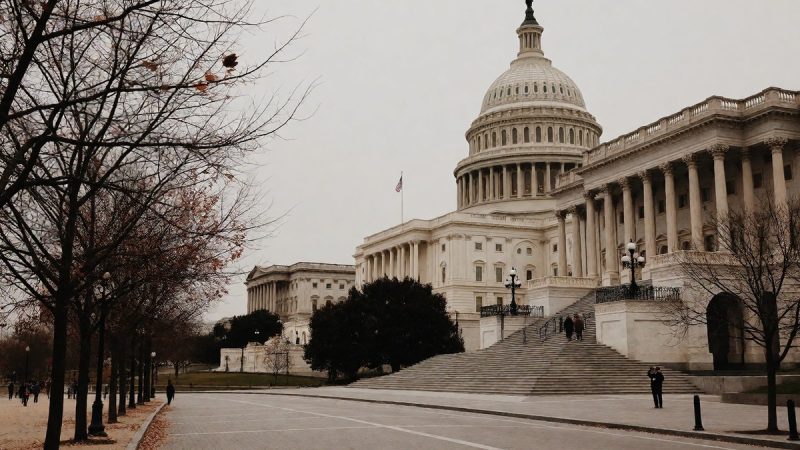
Protesters returned to the streets in several Polish cities on Thursday evening to demand the government fulfil its promise to liberalise strict abortion laws. These demonstrations occurred on the sixth anniversary of the Constitutional Tribunal ruling that established a near-total abortion ban in 2020. In Warsaw, a few hundred people gathered in the rain outside parliament to hold up red cards to warn the government that voters could remove them from power during the upcoming autumn 2027 parliamentary elections. In Wroclaw, police estimates cited by Gazeta Wyborcza placed the crowd at around 1,000 people, while approximately 300 gathered in Katowice according to the Polish Press Agency. Around 400 protesters in Poznan marched to the local Civic Coalition headquarters to wave banners saying "You deceived Poland". One placard in Wroclaw showed Prime Minister Donald Tusk with an extended, Pinocchio-style nose. The 2020 ruling triggered the largest protests seen in Poland since the communist era, and that anger played a role in the ruling coalition taking power in 2023.
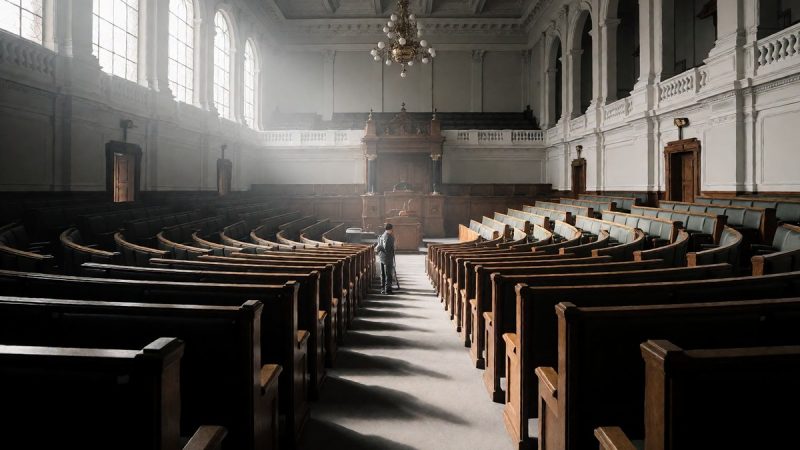
The Sejm approved two abortion bills earlier this week, including one to reverse the 2020 ruling and another to decriminalise providing help to women for unlawful abortions. The 2020 ruling currently only allows abortions where the pregnancy results from a crime or if it threatens the mother’s life or health. I find these new measures insufficient because protesters seek abortion on demand up to the 12th week of pregnancy. President Karol Nawrocki, who aligns with the right-wing opposition, will likely block these measures with a veto. This follows a period of eight years of rule by the national-conservative Law and Justice party, during which the ruling coalition in power since December 2023 failed to introduce new legislation for almost three years.
Scandals hit the ruling coalition
Two major political scandals from this summer damaged the reputation of the ruling coalition. The first involves irregularities at Warsaw’s Southern Hospital, where an inexperienced doctor named Dawid Kacprzyk coordinated the emergency department and earned 1.6 million zloty in the previous year. This doctor also served as a Warsaw district councilor for the Civic Coalition. Reports indicate the hospital operated a "VIP path" or special lounge that allowed politicians and their families faster medical access than ordinary patients. A whistleblower surgeon also alleged that supervisory failures contributed to patient deaths and improper private business activity in the hospital morgue. In response, the Civic Coalition stated that the hospital mayor, Rafal Trzaskowski, dismissed the hospital board and two deputy mayors overseeing the city’s health services.
The second scandal involves Zondacrypto, a cryptocurrency platform that collapsed earlier this year after thousands of retail investors lost access to their funds. The government claims the firm made payments to foundations linked to high-ranking Law and Justice figures, such as former justice minister Zbigniew Ziobro. This firm also sponsored the 2025 Conservative Political Action Committee conference attended by President Nawrocki and advertised heavily with conservative media outlets like the TV Republika television network.
| Scandal Detail | Hospital Irregularities | Zondacrypto Collapse |
|---|---|---|
| Primary Actor | Dawid Kacprzyk | Zondacrypto platform |
| Financial Value | 1.6 million zloty | Unspecified investor losses |
| Political Link | Civic Coalition (KO) | Law and Justice (PiS) |
The impact on 2027 turnout
I would argue that these scandals change elections through the demobilisation of soft voters rather than immediate shifts in party support. While media coverage of the hospital and cryptocurrency issues remains intense, the deeply polarised political environment allows many voters to view such allegations as politically motivated hits. This fragmentation means that most respondents link the Zondacrypto scandal to the right-wing opposition, yet the impact remains a matter of voter turnout rather than changing preferences.
The government faces a difficult path to mobilisation if its supporters feel disillusioned by broken promises or perceived corruption. For example, the 2025 presidential election saw Nawrocki win against the ruling party’s favourite, Rafal Trzaskowski, and a recent Krakow mayoral by-election resulted in a setback for the Civic Coalition. In the early 2000s, the Rywin scandal involved film producer Lew Rywin allegedly soliciting a bribe from the Agora media group. That event preceded the 2005 election where the Democratic Left Alliance support fell from 41% to 11%. These results suggest that government supporters already show a reluctance to vote, which could decide the outcome of the 2027 elections.