Ending the ammunition double game
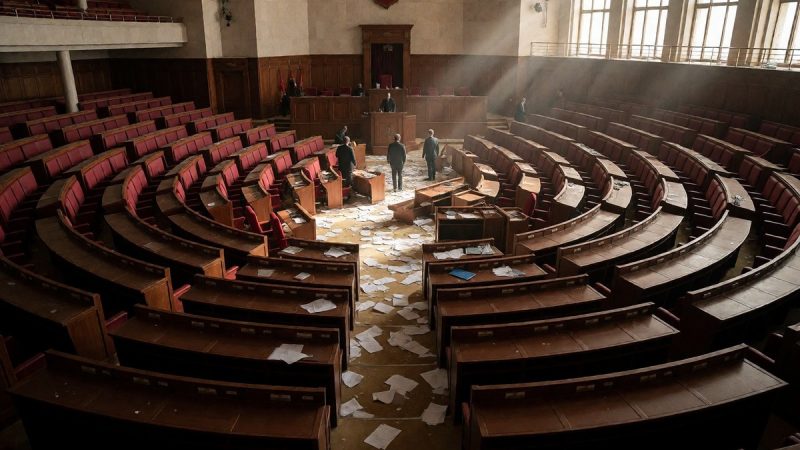
The Student List, which grew from two years of protests regarding the deadly November 2024 collapse of the Novi Sad railway station canopy, won 52.6% of the vote against 39.3% for Vucic’s United Serbia on October 25. This movement secured a majority in the 250-seat parliament after the Republic Electoral Commission processed 96.5% of polling-station records. The victors plan to halt arms exports to war zones and cut off Western intermediaries that pass Serbian ammunition to Kyiv. I find their plan to end the supply of shells to Ukraine most impactful, as it targets the specific channels that were used to make Aleksandar Vucic useful to both sides. Vucic, who resigned as president on September 27 to run for prime minister, conceded defeat on election night.
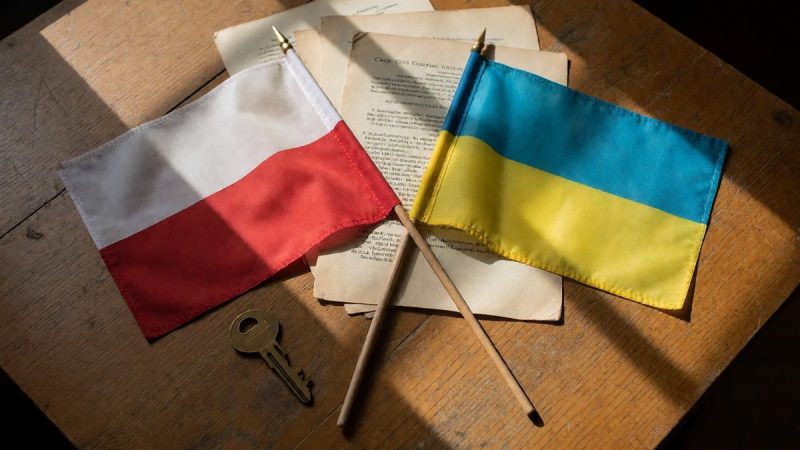
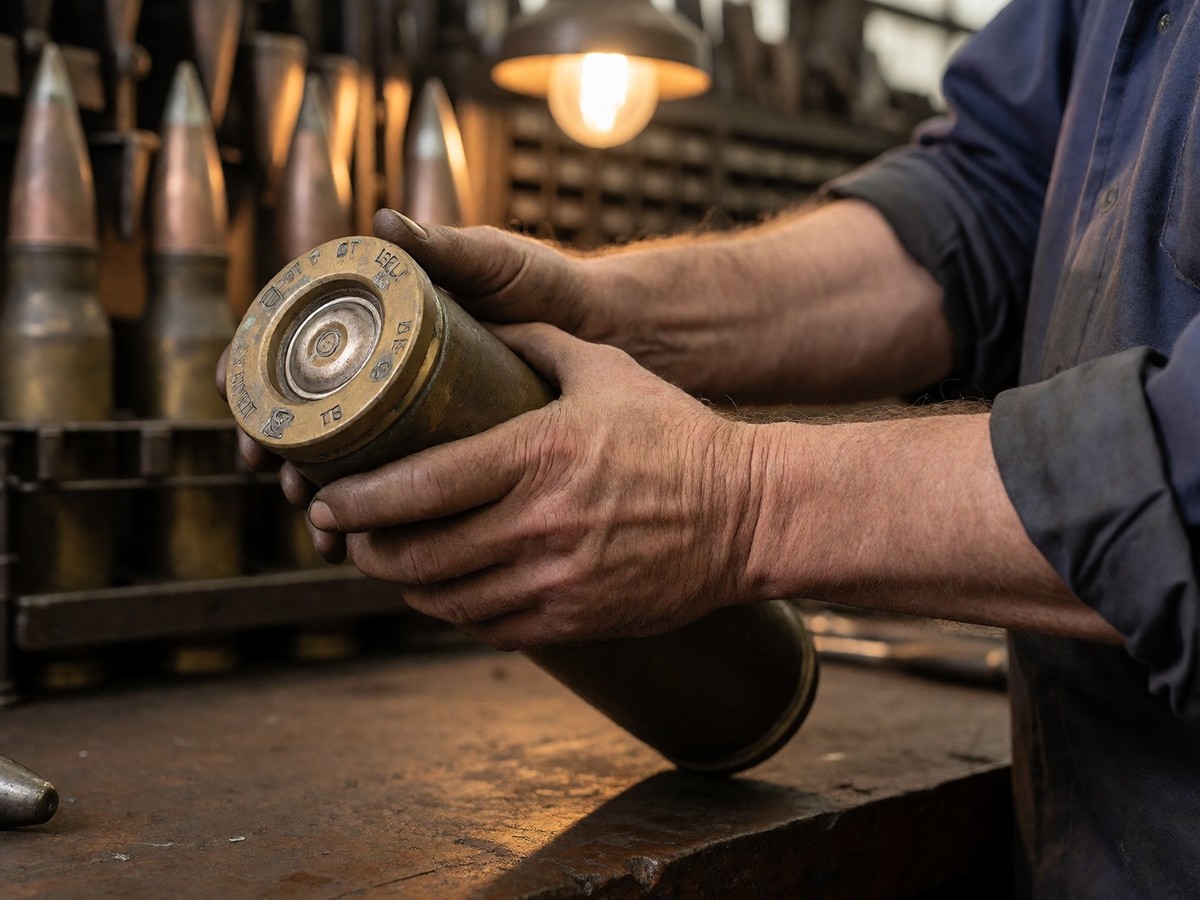
The decision targets the supply lines for Ukraine, which has faced ammunition shortages after more than four and a half years of full-scale war. In May 2025, Russia’s Foreign Intelligence Service accused Serbian arms makers of shipping shells to Kyiv using fake end-user certificates through the Czech Republic, Poland, and Bulgaria. Vucic defended these sales as commercial, and by November 2025, he told Euronews he would sell to EU buyers even if the shells ended up in Ukraine. Belgrade has also allowed foreign shells to transit its territory for the Czech-led ammunition initiative. The new government will now re-examine contracts, including the ammunition pipeline to Israel that saw sales rise nearly 40-fold in two years. Even with Vucic’s export halt, Serbia exported €55.5mn of ammunition to Israel in the first half of 2025 alone. Cargo flights from Belgrade to Israel doubled from 19 in 2024 to 38 in 2025, with 17 more in the first months of 2026. This trade includes cooperation with Israel’s Elbit Systems, which supplies Belgrade under a $1.63bn five-year deal, especially since Vucic opened a drone assembly plant with Israeli partners on September 17.
Maintaining ties with Moscow
The incoming government will not join EU sanctions on Russia or adopt a hawkish stance toward Moscow, according to Vuk Vuksanovic, a lecturer in foreign policy at King’s College London. Jovo Bakic, a Belgrade University professor speaking for the Student List, told RT Balkan that "there will be no changes on this issue" regarding Russia as a historically important partner. The movement already pledged on September 30 to refuse restrictive measures on Russia. This policy maintains the current dependence on a Gazprom supply deal that extends only to the end of the year. President Volodymyr Zelenskiy welcomed the result on X on October 26, noting that Kyiv is ready to increase cooperation with Belgrade.
Dmitry Peskov told reporters on October 26 that Moscow hopes Vucic continues to advance ties even in opposition. The Kremlin spokesman said the new government should work constructively with Moscow, but he added that it takes two to tango. Vucic told supporters at his party’s headquarters that he worries sanctions will be imposed against Russia by March or April. The new government inherits US waivers for the Russian-owned refiner NIS, whose license expires on October 30.