Fire at Samara Oblast facility
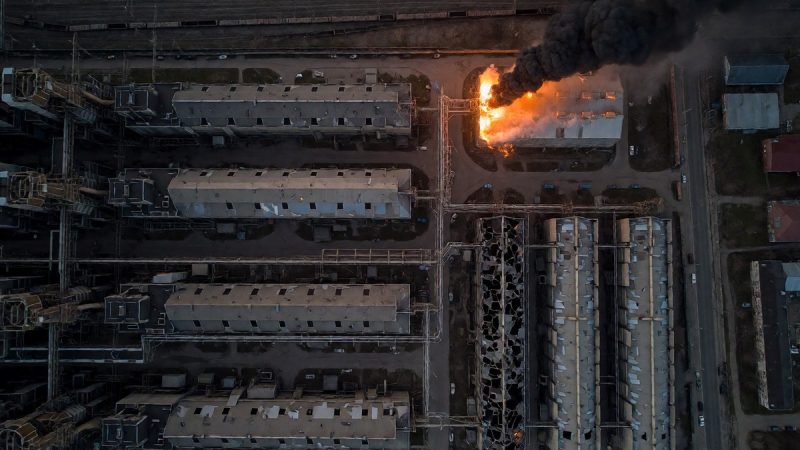
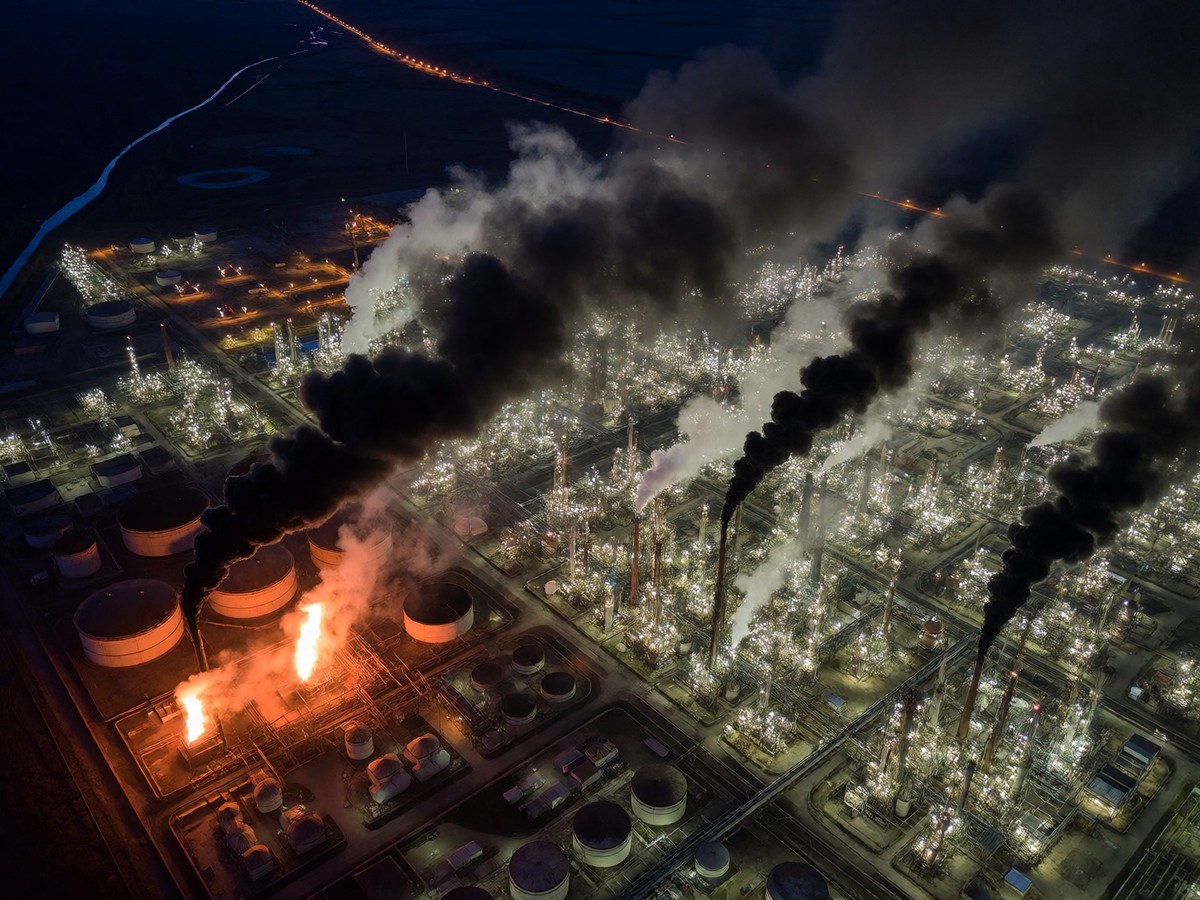
A fire broke out at the Rosneft-owned Novokuybyshevsk Oil Refinery in Russia’s Samara Oblast on Oct 30 following a suspected Ukrainian drone attack. Local residents submitted photos and videos to the Ukrainian monitoring channel Exilenova+ that appear to show widespread fires in the vicinity of the refinery and reports of drones flying overhead. The Kyiv Independent could not independently verify the footage or establish the extent of the damage caused at the site. This facility, which the Russian state-controlled oil company Rosneft owns, processes approximately 8.8 million metric tons of crude oil and produces petroleum products including aviation fuel, gasoline, diesel, lubricants, and other petroleum products. This refinery has been targeted in previous Ukrainian drone attacks, including one in August 2026.
| Refinery Specification | Detail |
|---|---|
| Owner | Rosneft |
| Crude oil processing | 8.8 million metric tons |
| Primary products | Aviation fuel, gasoline, diesel, lubricants |
Resumption of energy strikes
Monitoring channels call this event a "resumption of strikes" because an unofficial pause on Ukraine’s campaign against Russian oil refineries began in mid-October. The Wall Street Journal reported on Oct 29 that Ukrainian military units conducting long-range strikes had informally suspended attacks on Russian refineries following pressure from U.S. President Donald Trump’s administration. Officials familiar with the operations told the Wall Street Journal that this cessation of refinery strikes in Russian territory was expected to continue until after the upcoming U.S. midterm elections. This renewed strike pattern is a blunt reversal of the recent political pressure that forced a temporary halt in long-range operations.
Ukraine engages in a campaign to target Russian oil refineries, fuel depots, and other energy infrastructure in an effort to impact fuel supplies to Moscow’s military and reduce revenue used to finance Russia’s full-scale invasion. The campaign targets the energy infrastructure to impact fuel supplies to Moscow’s military and reduce the revenue used to finance Russia’s full-scale invasion. This effort to impact fuel supplies to Moscow’s military and reduce revenue used to finance Russia’s full-scale invasion remains the driver of this renewed energy infrastructure campaign.