Kushner pushes for compromise in Berlin
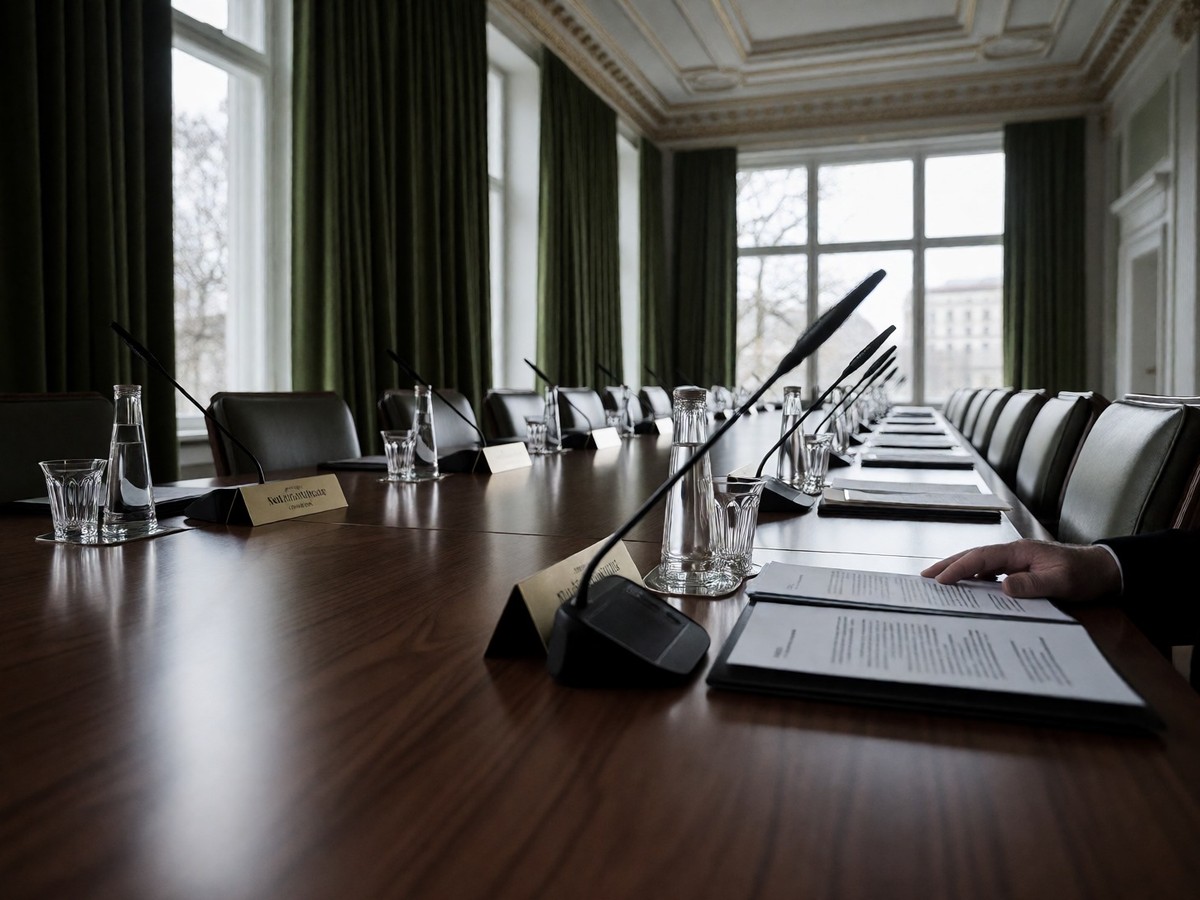
Kushner and Witkoff met the Coalition of the Willing in Berlin on November 19. Kushner told reporters that Russia is comfortable with the concept of security guarantees based on Article 5. He said President Trump is open to this if it serves America’s interest. This follows a meeting in Shenzhen where Donald Trump, Vladimir Putin, and Xi Jinping discussed Ukraine without a Ukrainian present. Critics called that meeting a "Yalta 2.0" carve-up, and Merz dismissed the Shenzhen gathering as a "photo op". I find the European refusal to accept a "Yalta format" more credible than Kushner’s optimism. Kushner claimed three gains from his mediation: the trilateral format with Russia and Ukraine is running again after talks were "dead in the water" in September, thousands of prisoners of war will go home in the coming weeks, and Russia has agreed to engage in the multilateral format with Europeans. Kushner and Witkoff picked up Merz’s ideas for post-war security, including mechanisms for communication, transparency, crisis management, and potentially reciprocal de-escalation. During the Abu Dhabi negotiations on November 10 and 11, US negotiators asked President Volodymyr Zelenskiy if he would pull Ukrainian troops out of Donbas in exchange for NATO membership, a proposal he rejected.
Security guarantees and the NATO debate
The debate over security guarantees dominates the peace process. Macron said Ukraine’s membership in NATO makes sense for long-term security, noting that membership had been set aside in 2022 due to a "completely different" context. Zelenskiy questioned the meaning of Article 5, specifically asking about the presence of American soldiers on Ukrainian land. He said Ukraine would welcome US bases "like in the Middle East". The joint statement from Germany, France, the UK, and Ukraine says international borders must not change by force. It also says Ukraine’s right to choose its own alliances "must be fully respected". The document lists what guarantees could include: continued military and financial support, a part in a US-led ceasefire monitoring mechanism, a European-led Multinational Force Ukraine "supported by the US", and a legally binding commitment to take measures to restore peace and security in the case of a future armed attack by Russia. Merz suggested the line of contact should serve as the starting point for territorial discussions. Putin said in Shenzhen that Russia will not allow peace if Europeans bring in troops, adding that peacekeepers would become "legitimate targets". Finland offers its conscript army, 60 F-18s, and 64 incoming F-35s to protect its 1,340 km border. Polish Prime Minister Donald Tusk said Poland will not send troops to Ukraine, though he expressed doubt about Putin’s goodwill.
Money and the path to a settlement
Europe uses money to maintain Ukraine’s position of strength. European Commission President Ursula von der Leyen said peace depends on putting Ukraine in a position of strength, pointing to a new €45bn loan for 2027. This builds on the €90bn loan and the €50bn Ukraine Facility. NATO allies pledged €70bn in military aid for 2026 and at least equivalent levels in 2027. The UK is sending a £260m ($342m) package including more than 1,000 long-range strike drones, more than 1,000 missiles, and over a dozen short-range air-defence radars. Zelenskiy estimated Ukraine’s needs for 2027 at €115bn. Merz also suggested a gradual lifting of sanctions against Russia might be possible, though the EU is currently debating a 22nd sanctions package. The EU blacklisted 50 more Russian banks this month. The coalition leaders face domestic instability, such as Merz’s electoral "disaster" this autumn, Macron’s camp facing Marine Le Pen’s far right, and UK Prime Minister Andy Burnham taking over from Keir Starmer in July. I find the current European financial commitment to be the only concrete tool they have left. The coalition also called on Russia to agree to an energy ceasefire for the winter and a Black Sea truce for food exports, though Putin has already shelved such talks following Ukraine’s strikes on the Kerch bridge.