DESNA expansion and missile shortages
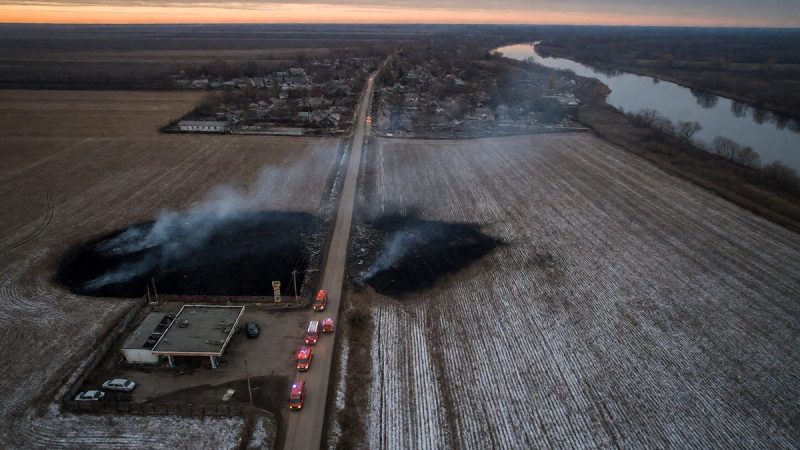
Ukrainian Defense Minister Yevhenii Khmara and Norwegian Defense Minister Tore Sandvik met in Oslo on Nov. 24 to discuss expanding the deployment of the DESNA air defense system. The system uses Ukrainian missiles and Norwegian fire-control to intercept jet-powered Russian drones. Norway plans to provide at least $7 billion in assistance in 2027 to prioritize interceptor missiles for Ukraine’s severe shortage. On Nov. 22, President Volodymyr Zelensky reported that Russia launched 165 missiles, 2,700 drones, and 1,460 glide bombs over the previous week. This massive aerial pressure coincides with Patriot missile delivery delays, as Zelensky noted on Oct. 27 that Ukraine receives an average of just 12 Patriot missiles per month. The two countries discussed supplying additional combat aircraft and ammunition, expanding cooperation on unmanned systems, and scaling up cooperation through joint production projects and the exchange of extensive battlefield experience. Khmara said they reached "substantial and important agreements for Ukraine" during these talks. This deficiency in interceptor missiles is a serious problem as Russia intensifies attacks ahead of winter.
DELTA access and Swedish winter aid
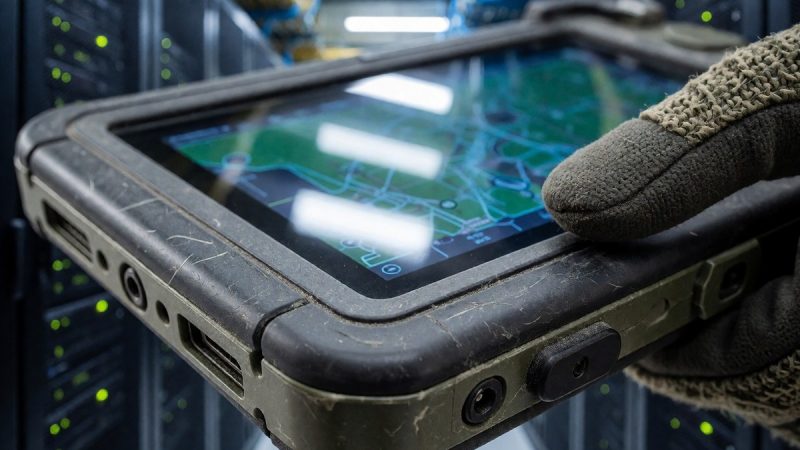
The ministers signed a memorandum to adapt Ukraine’s DELTA battlefield management system for Norwegian use through the "DELTA Lab initiative". This platform provides Ukrainian forces a shared digital picture of the battlefield to track Russian positions, collect intelligence, and coordinate operations. Norway will receive access to components of DELTA through this initiative, which allows it to use, adapt, and contribute to the system’s further development. The two countries will exchange experience on implementing and using the system, as well as training personnel to operate it. Khmara said the agreements "do not provide for the transfer of combat or other operational data from Ukraine." Germany will become the first country to access the system following a letter of intent signed in Berlin. Sweden released a winter assistance package on Nov. 24.
| Swedish Aid Recipient/Purpose | Amount |
|---|---|
| Ukrainian Red Cross | 155 million Swedish kronor ($16 million) |
| Energy infrastructure | 85 million kronor ($9 million) |
| Emergency equipment procurement | Up to 300 million kronor ($32 million) |
This package includes 155 million Swedish kronor ($16 million) for the Red Cross and 85 million kronor ($9 million) for energy infrastructure. The Swedish government authorized up to 300 million kronor ($32 million) to maintain deliveries of emergency equipment to protect and restore energy facilities.