Missile strikes in southeastern Poland
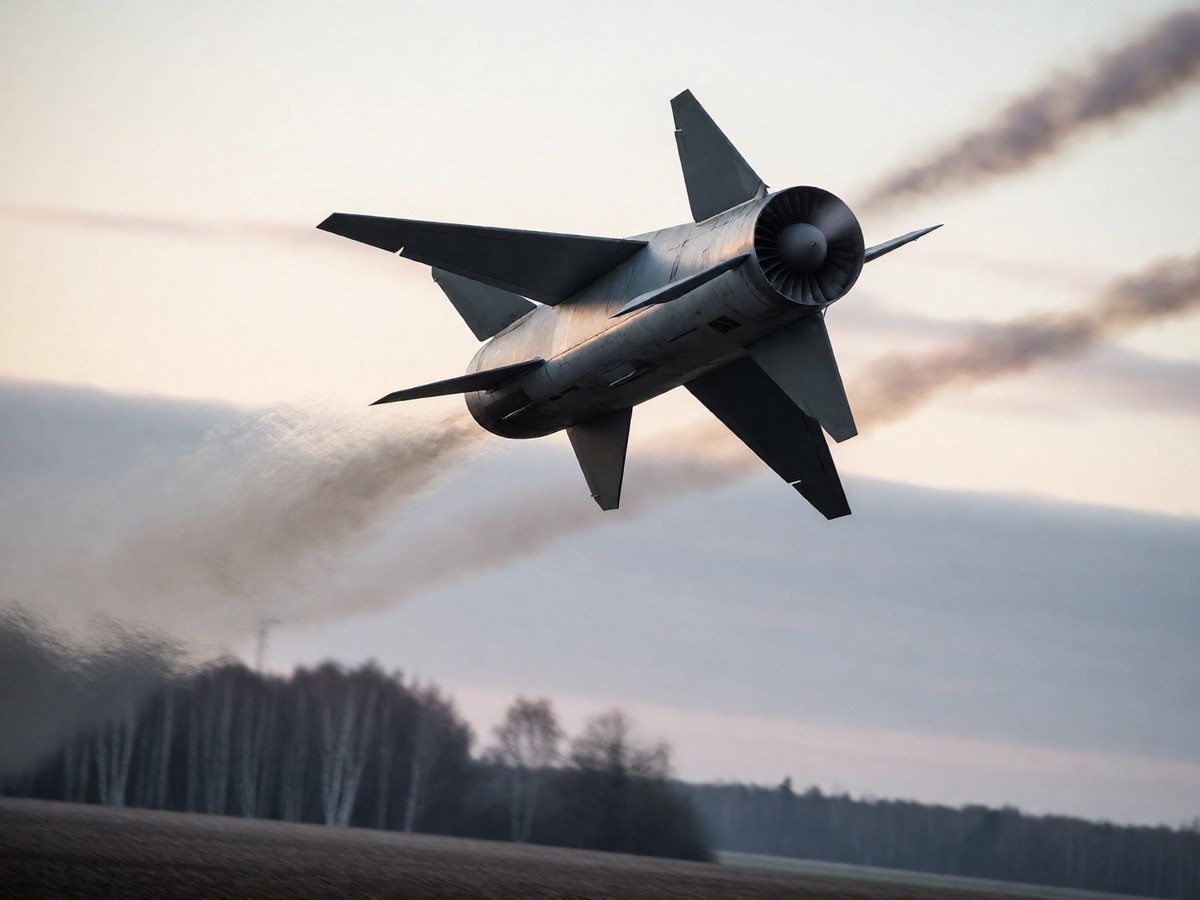
Three Russian Kh-101 cruise missiles struck three different locations in southeastern Poland near the Ukrainian border last Friday morning during large-scale Russian attacks on Ukraine, and Poland confirmed the nature of the weapons on Sunday. Polish prosecutors stated the remains leave no doubt regarding the origin, and preliminary findings even indicate which specific factory manufactured them and when. On Monday night, a Russian drone entered Polish airspace from Ukraine and stayed above Polish territory for a few minutes before returning to Ukraine. Poland’s foreign ministry summoned Georgy Mikhno on Tuesday to present a "very strong diplomatic note" regarding the missile strikes. Adam Szlapka, a Polish government spokesman, told broadcaster TVP on Monday morning that relations with Russia are "hanging by a thread." Maciej Wewior, a spokesman for the Polish foreign ministry, rejected the Russian ambassador’s claims and said it is "beyond dispute" that the missiles were Russian, and he noted that Moscow "knows [this] perfectly well."
Diplomatic confrontation and Russian rejection
Ambassador Mikhno rejected the accusations, claiming they rely on "political judgements and unsubstantiated assumptions" rather than evidence. He also accused Warsaw of using "openly Russophobic rhetoric" to "stoke anti-Russian sentiment" and refused to answer journalists’ questions before leaving the foreign ministry. While foreign minister Radoslaw Sikorski said that expelling the ambassador is "one of the options" that Poland could take, he noted that the country will not pursue it yet because any such action would be met with an equivalent response from Moscow. This tension follows previous diplomatic tit-for-tat strikes. In 2024 and 2025, Sikorski ordered Russia to close all its consulates in Poland, prompting Moscow to shut down all Polish consulates on its own territory. NATO Secretary General Mark Rutte and other allies condemned Russia over the incident and expressed solidarity with Warsaw. Although the European Union maintains pressure on Russia, Szlapka noted that Poland has had doubts from the United States regarding these sanctions in recent months. Szlapka also said that pressure from the European Union is strong. He added that while presenting a protest note was a "symbolic gesture of disapproval," the most important factors are the sanctions and the pressure on Russia.