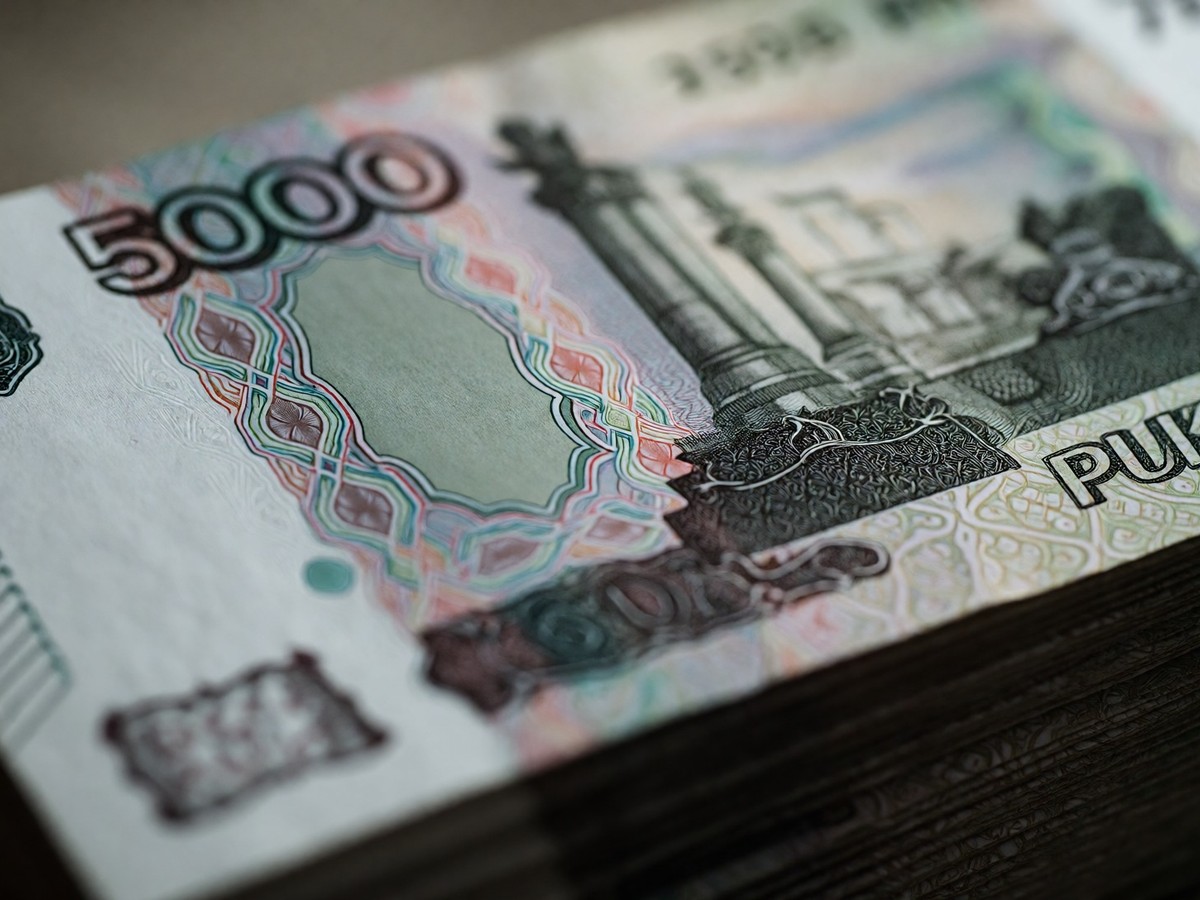
The State Duma passed the 2027-2029 federal budget in its third reading on November 24, approving record defense spending of RUB 17.1 trillion ($208.1bn) for next year. This military allocation represents a 32% increase from the RUB 12.9 trillion set for 2026. I see a budget that prioritizes military needs over social stability, as defense, security, and law enforcement will take 44% of federal spending, totaling RUB 21.3 trillion ($259.2bn). The law sets 2027 spending at RUB 48.7 trillion ($592.7bn) and revenue at RUB 43.3 trillion ($527bn), leaving a deficit of RUB 5.44 trillion ($66.2bn), or 2.2% of a forecast GDP of RUB 248.3 trillion ($3.02 trillion). This deficit is nearly twice the 1.6% target written into the 2026 budget law. The national defense chapter alone takes 35% of all federal spending and about 6.9% of GDP in 2027. This defense figure is 27% above the amount lawmakers pencilled in for 2027 just one year ago. The 2026 budget was the first since the invasion to cut the defense chapter, but it did not hold. Revenue is expected to rise to RUB 45.8 trillion in 2028 and RUB 48.6 trillion in 2029, against spending of RUB 50.9 trillion and RUB 53.9 trillion.
The revenue shift
Revenue no longer relies on oil and gas, which will only supply about 16% of the 2027 budget. This is a massive drop from the 42% share seen in 2022. Instead, VAT and other taxes paid by households and companies carry the weight. I find the plan to squeeze the public to pay for the war blunt. New taxes on savings, foreign e-commerce, and miners’ windfall profits add RUB 1.5 trillion in 2027. VAT revenue has grown to 2.3 times the amount provided by oil and gas. Social policy spending falls 6% to RUB 6.6 trillion in 2027. The federal project for large families loses 40% of its money, falling from RUB 157.2 billion to RUB 93 billion.
| Budget Parameter | 2027 Value |
|---|---|
| Total Spending | RUB 48.7 trillion |
| Total Revenue | RUB 43.3 trillion |
| National Defence | RUB 17.1 trillion |
| Social Policy | RUB 6.6 trillion |
| Deficit (% of GDP) | 2.2% |
| Inflation Target | 4% |
Healthcare and the national economy each fall by 3% in nominal terms. Housing and utilities fall by 8% in the 2027 budget. I think the reduction in support for large families is a failure. The government says every social obligation is funded, noting that insurance pensions will be indexed twice in 2027 by 6.8% in February and 3.3% in April. The minimum wage rises to RUB 28,935 a month. Oil and gas revenue is expected to hit RUB 7.6 trillion in 2028 and RUB 7.7 trillion in 2029, which means the oil share will stay low.
Rising deficits and tax pressure
The deficit overshoots the original targets again, as Finance Minister Anton Siluanov expects this year’s deficit to hit about 3% of GDP. This is significantly higher than the 1.6% of GDP planned for 2026. Alexandra Prokopenko of the Carnegie Russia Eurasia Center says deficit targets have not been met in any year since the full-scale invasion began. The government intends to cover the gap through domestic borrowing. The Finance Ministry already struggles to sell enough OFZ bonds to close this year’s deficit. The National Wealth Fund is forecast at RUB 13.2 trillion at the start of 2027. Siluanov noted the government would be "less concerned" about oil prices since the cut-off price in the fiscal rule fell to $50 a barrel.
The budget includes a 30% windfall tax on the extra profits of mining and metals companies. This tax, passed by the Duma in its third reading on the same day as the budget, adds to the revenue side. I see no sign in the numbers that the Kremlin plans to scale back the war in Ukraine. The budget shifts the burden onto consumers and savers because the defense line keeps rising. The budget also plans for defense spending to ease to RUB 16.6 trillion in 2028 and RUB 16.3 trillion in 2029. The Duma also passed a bill in its first reading that lets soldiers who sign contracts for at least a year shield assets worth up to RUB 10 million from creditors in bankruptcy.