Air raid alert on Ulleungdo Island
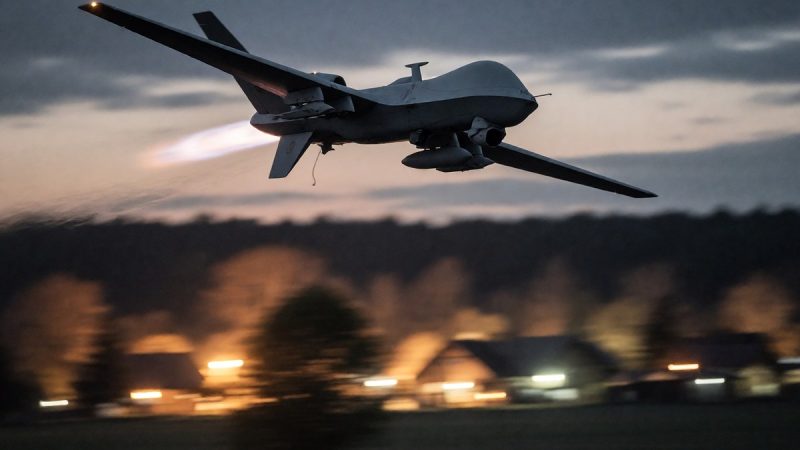
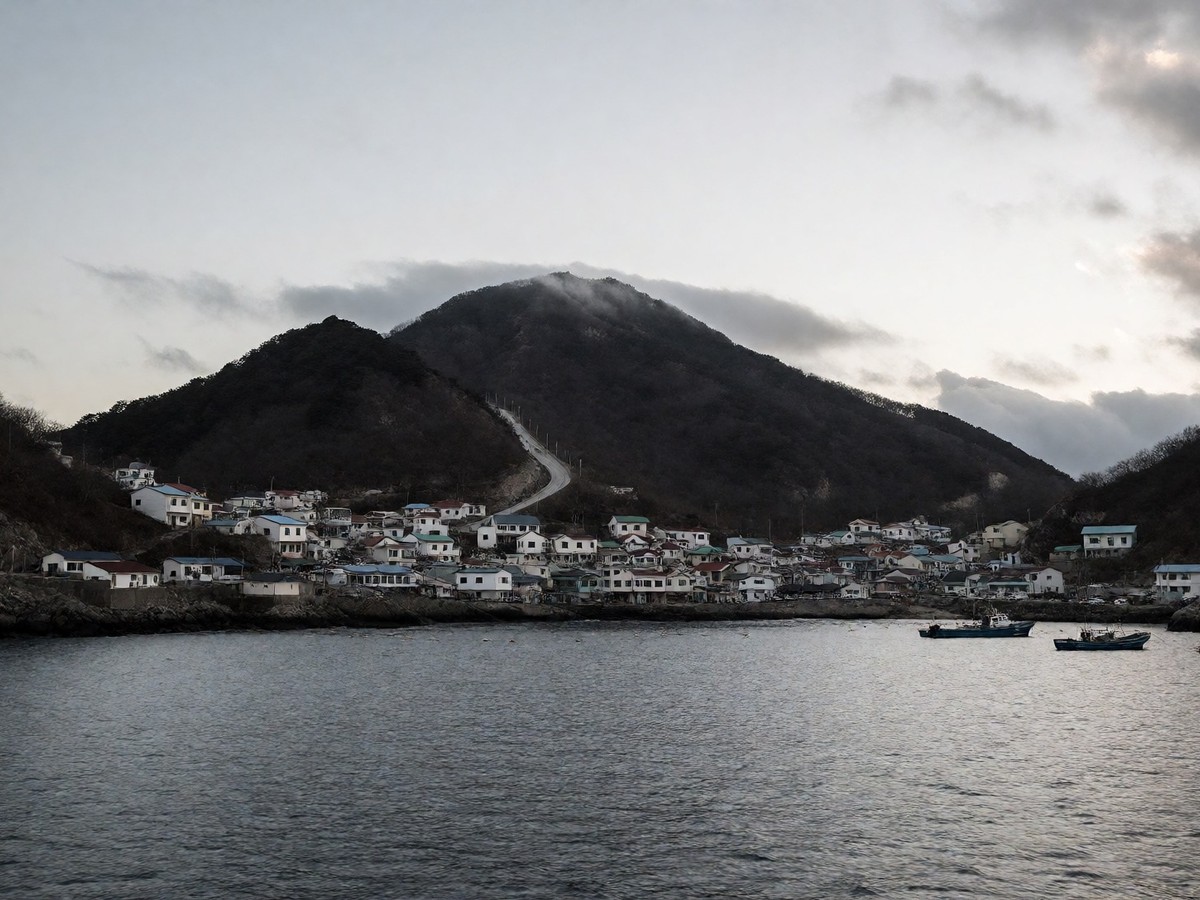
South Korean authorities issued an air raid alert for residents of Ulleungdo Island on Nov. 24 after Russian military aircraft approached the island, an event that prompted the Air Force to scramble fighter jets to intercept the planes. The Interior Ministry sent the instruction "Evacuation, air raid" to residents at 7:52 a.m. local time and directed them to seek shelter in underground buildings or nearby structures. The alert was lifted three minutes after the Russian aircraft left the area. This event marks the first time the South Korean military issued a preliminary air raid alert regarding possible airspace intrusion by Russian warplanes. Although the aircraft entered the South Korean Air Defense Identification Zone (KADIZ), they did not violate South Korean sovereign airspace. South Korean fighter jets scrambled to intercept the planes, an action the military believes prevented a potential airspace violation. A military official told Yonhap that the Russian warplanes fly at an average speed of 600 to 700 km per hour, or 200 meters per second, and noted how urgent the situation was. This incident follows a KADIZ entry by Russian aircraft on Nov. 17 and previous incursions in June and August. In June, nearly 10 Russian and Chinese military aircraft entered the zone over South Korea’s eastern and southern waters during joint aerial exercises, which prompted Seoul to lodge a protest through diplomatic channels. South Korea’s Defense Ministry spokesperson Chung Binna planned to summon the Russian military attache in Seoul on Nov. 24 to lodge a formal complaint. The island sits 120 kilometers east of the Korean Peninsula in the Sea of Japan.
Russian military pressure and personnel losses
The aircraft incident occurs as Russia faces massive personnel losses reported by the Ukrainian General Staff. On Nov. 24, the General Staff stated that Russia has suffered 432,519 military casualties since Jan. 1. This figure exceeds the previous annual record of 430,790 casualties from 2024. In October 2026, Russia lost 54,400 personnel, including those killed, wounded, or missing, which marked the deadliest month since the full-scale invasion began. On Nov. 8, Russia lost 2,980 troops in a single day, which equals one invader every 29 seconds. Independent outlet Mediazona and the BBC’s Russian Service report that approximately 700,000 Russian soldiers died in the war as of September 2026. These losses involve a force larger than the combined population of four Russian regions. Together, the Nenets Autonomous Okrug, Chukotka Autonomous Okrug, Magadan Oblast, and the Republic of Altai house approximately 434,000 people. Russia also lost a net territorial area of 27 square kilometers in October, the second consecutive month Moscow lost more territory than it gained.
Maritime targets and supply chain risks
Russian military movement involves maritime targets and threats to European supply chains. On Nov. 21, a Ukrainian drone strike hit the Russian cargo ship Sparta II in the Gulf of Finland. President Volodymyr Zelensky confirmed the strike and stated the vessel was a legitimate target because it carried weapons. The sanctioned ship drifted into Finnish territorial waters near Loviisa after the attack. Finnish Border Guard commander Ilja Iljin said the vessel lost steering capability after being struck by Ukrainian drones in Russian territorial waters. The attack sparked a fire aboard the ship that remained out of control later on Nov. 21, which led Finnish authorities to warn that the vessel could sink if the blaze continued. Finnish Prime Minister Petteri Orpo noted Ukraine’s right to defend itself, though Defense Minister Finland raised concerns regarding civilian shipping safety and environmental risks in the narrow Gulf of Finland. Separately, British intelligence and the Ministry of Defence issued a warning on Nov. 24 to companies supplying the Ukrainian military. The Ministry of Defense and the National Protective Security Authority advised companies that if they support military procurement or supply equipment to Ukraine, they could be targets for Russian sabotage, espionage, intimidation, or information operations. The guidance urged businesses to limit publicly available information about their facilities and employees, strengthen physical security, train staff to recognize suspicious activity, and review online exposure. British officials also announced closed-door security briefings for executives from defense companies and critical infrastructure operators on Nov. 24 and 25.