Kyiv and Dnipro face rolling blackouts
Parts of Kyiv receive power for only one hour a day because Russian strikes hit substations that carry electricity from nuclear plants to cities. Iuliia Mendel, a former press secretary to President Volodymyr Zelenskiy, said on X on November 1, "Russia is methodically freezing Ukraine one substation at a time." In some districts of Dnipro, residents have gone several days without electricity. Governor Oleksandr Hanzha reported that Russian strikes on October 29 left up to 350,000 people in and around Dnipro without power. This campaign targets the 750 kV substations and switchyards that connect the three nuclear plants under Kyiv’s control, Rivne, Khmelnytskyi and South Ukraine, to the grid.
Critical high-voltage nodes under fire
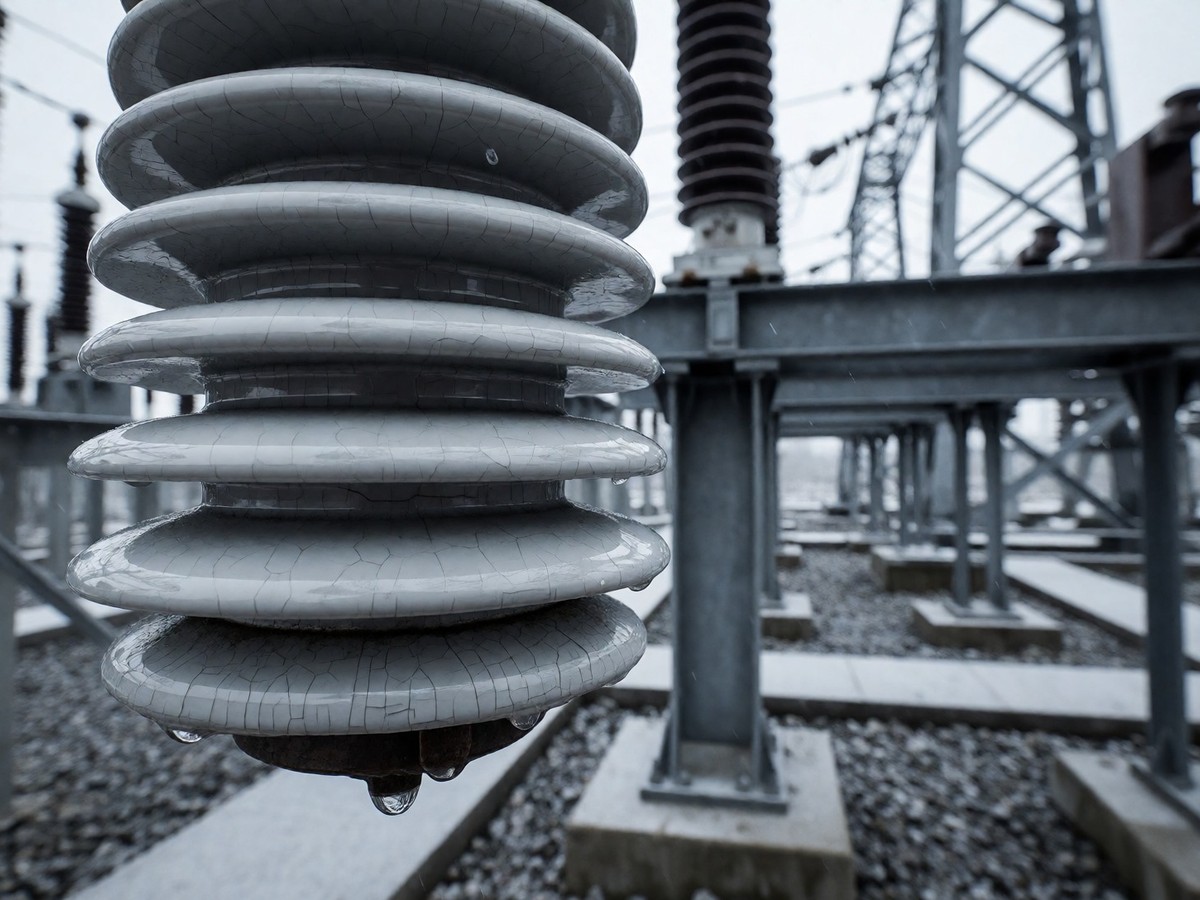
The destruction of high-voltage infrastructure hinders the ability to move electricity even when plants remain operational. Custom-built 750 kV transformers take between six to 18 months to replace, which makes these strikes clearly devastating.
| Substation Tier | Total Count | Reported 750 kV hits since December |
|---|---|---|
| 220-750 kV | 103 | 4 |
Ukrainian officials note that nineteen substations remain critical to the safe running of nuclear plants, and the International Atomic Energy Agency will send monitoring missions to all of them following discussions between Foreign Minister Andrii Sybiha and IAEA Director General Rafael Grossi. Ukrenergo runs 103 substations of 220-750 kV, not counting 32 in occupied Donbas and Crimea. Eight 750 kV substations exist in the system: Zakhidnoukrainska, Vinnytska, Kyivska, Pivnichnoukrainska, Dniprovska, Zaporizka, Kakhovska, and Prymorska. The Kyivska substation takes the output of the Rivne and Khmelnytskyi plants to the capital and central Ukraine via a 346 km line commissioned in December 2015. IntelliNews’ Missile War Monitor counts at least four of these eight 750 kV nodes hit since December. On December 7, 2025, a missile struck a 750 kV substation outside Odesa, blacking out the city for nearly two days. On February 7, Russian forces struck Kyivska and Zakhidnoukrainska alongside the Burshtyn, Dobrotvir and Trypillia thermal plants. The monitoring account Defence Index reported that Zircon missiles hit Vinnytska. Kyivska also came under attack again on October 1.
Drones hit the 330 kV substation serving Zhytomyr on October 17. Russian strikes hit the 330 kV Artsyz substation in the Odesa region two days later, while the Zalyutyne substation on the western edge of Kharkiv suffered a strike on October 26. Overnight strikes on October 18 hit substations in the Vinnytsia, Zhytomyr, Khmelnytskyi and Odesa regions and left tens of thousands of families without power. The IAEA reported that strikes on October 30, 2025, cost the South Ukraine and Khmelnytskyi plants one off-site power line each. At that time, the grid operator had to cut output at two of Rivne’s four units to keep the system stable. Director General Rafael Grossi said, "The threats to nuclear safety remain very real and constant."
Economic pressure and retaliatory strikes
Russia uses a strategy to systematically destroy the Ukrainian economy, which targets retail infrastructure, petrol stations, and the railway. Since July, Russia has destroyed 90% of Ukraine’s modern warehouses. At least two thirds of power generation capacity has already been destroyed. Russian strikes have cut the Odesa port off from the rest of the country and brought the metallurgical sector to a standstill for the first time in a century. The October 14 assault on Ukrenergo’s facilities was among the largest since the full-scale invasion, according to chairman Vitalii Zaichenko.
The metro halted and water pressure fell on October 8 after an attack on an energy facility, according to Energy Minister Denys Shmyhal. This strike also caused emergency cuts when voltage fell in the high-voltage network, according to Ukrenergo. Because the centralized grid can no longer guarantee supply, businesses built 4 GW of their own generation in 18 months.
Ukraine hit back at Russia’s energy system with a drone attack on November 1 that caused significant damage to an industrial enterprise in the Kstovo district. This area houses Lukoil’s largest refinery, which processes about 17mn tonnes of oil a year, according to Mendel. Governor Gleb Nikitin reported the damage on behalf of Nizhny Novgorod.