Russia’s stalling momentum
Russia’s summer offensive failed, and I expect its fall offensive to fail as well. The Russian army’s net gain for 2026 remains at only about 100 square kilometers, making their daily rate of advance less than one square kilometer. This footpace shows how Ukraine has contested Russia’s strategic initiative since late 2025. Vladimir Putin has failed to achieve his stated war aims. He did not force the Ukrainian government to capitulate or destroy its military. Russia remains far from taking the rest of Donetsk Oblast or the Fortress Belt. I find that Ukraine’s 2026 progress stems from a military transformation occurring throughout 2025 and 2026. Ukraine expanded its military production and its intermediate-range and deep-strike capabilities. This progress also includes maturing operational art concepts and working on a ballistic missile program to threaten Russian defense industrial infrastructure. Russia’s strategy aims to drive Ukraine and its allies into a reactive stance. The Kremlin is vigilant about Ukraine and its partners holding the initiative and seeks to disrupt it at all costs. I believe the Kremlin recognizes that Russia is vulnerable to momentum and sustained pressure.
The infrastructure assault
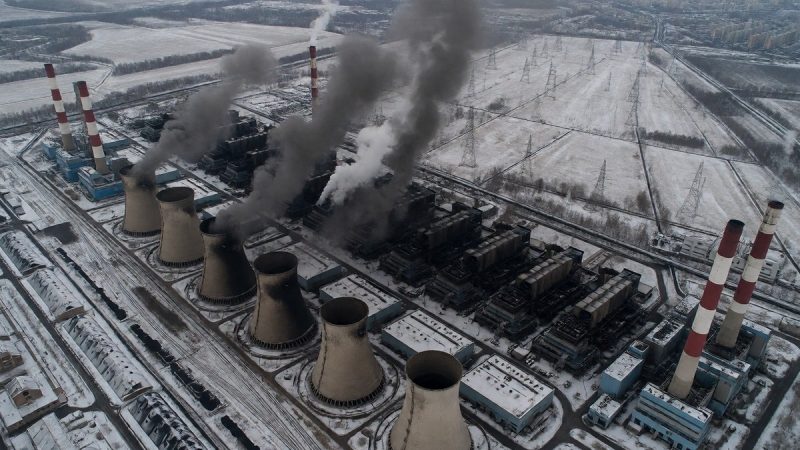
The Russian campaign against Ukrainian energy assets has reached a period of intense escalation. On November 3, Russia launched 289 attack drones, 59 cruise missiles, and 17 ballistic missiles against regions including Odesa, Kharkiv, and Kyiv. This massive strike contributed to 154 confirmed hits on energy assets since August 25, 2026, as 151 of those hits occurred since that date. In Kyiv, power cuts ran from midnight to nearly the end of the day on November 3 and affected every category of consumer. The Russian military’s strategy of targeting substations and transmission links seeks to cut off the connection between the three remaining nuclear power stations and consumers, regardless of whether the plants themselves stay running. I see the impact of this strategy in the 9.2% year-on-year drop in Ukraine’s industrial output for September. Specific hits include five strikes on Kharkiv’s CHP-5 and three strikes each on Kyiv’s CHP-4 and CHP-6. A $100 million kickback scheme involving people close to the president left critical parts of the energy infrastructure vulnerable to attack. The economic damage is visible as businesses struggle to run refrigerated warehouses on diesel generators. Western Ukraine now holds about 80% of the country’s food stocks, much of it needing refrigeration. I find it clear that the Russian Finance Ministry intends to increase its purchase of foreign currency and gold between October 7 and November 6, 2026, amid declining energy export revenues.
Western response needs
The United States and Europe face a narrow window to change the war’s trajectory before Russia’s strategy succeeds. Russia uses drone incursions, missile strikes, sabotage, and assassinations against NATO states to force a reactive stance from the alliance. The design of Russia’s 2026 strategic bombing campaign seeks to inflict maximum terror and civilian harm by exploiting the gap in Ukraine’s ability to counter jet-powered drones and ballistic missiles. I would say that Europe must prioritize denying Russia the ability to conduct these sabotage operations or drone incursions. The European Union’s release of its loan to Ukraine should avoid the incrementalism that allowed Russia to prolong the war. Ukraine’s allies must also help scale countermeasures against Russian jet-powered drones, which remain effective against dynamic targets in the rear. I believe Western partners must resource Ukraine’s deep-strike campaign against Russian energy and defense sectors. Ukraine’s strikes have already degraded at least 30% of Russia’s refining capacity and forced the Kremlin to buy refined fuel from India. Russia’s cognitive warfare effort aims to disrupt the success of Western pressure on the energy sector. This pressure has forced Putin to make hard choices, such as offering to export insignificant quantities of diesel to global markets in exchange for sanctions relief. I would advise that NATO and Europe consider deterrent measures for emerging risks short of a traditional ground attack.