Speed restrictions on Starshield
Speed restrictions on the US-provided Starshield satellite communications system over Russian-occupied territories hamper Ukrainian strike drone operations. A senior member of the Ukrainian military told the Kyiv Independent that there has "clearly been a political decision to hamper the system’s function over areas that Russia currently controls." These restrictions, which began in October, cause heavy drone losses and force the military to cancel missions. The limitations specifically affect medium-range strike drones such as the Fire Point FP-2. These speed restrictions apply only to territory of Ukraine that is temporarily occupied by Russia.
| Drone Model | Max Payload | Max Range |
|---|---|---|
| Fire Point FP-2 | 200 kg (440 lbs) | 700 km (435 miles) |
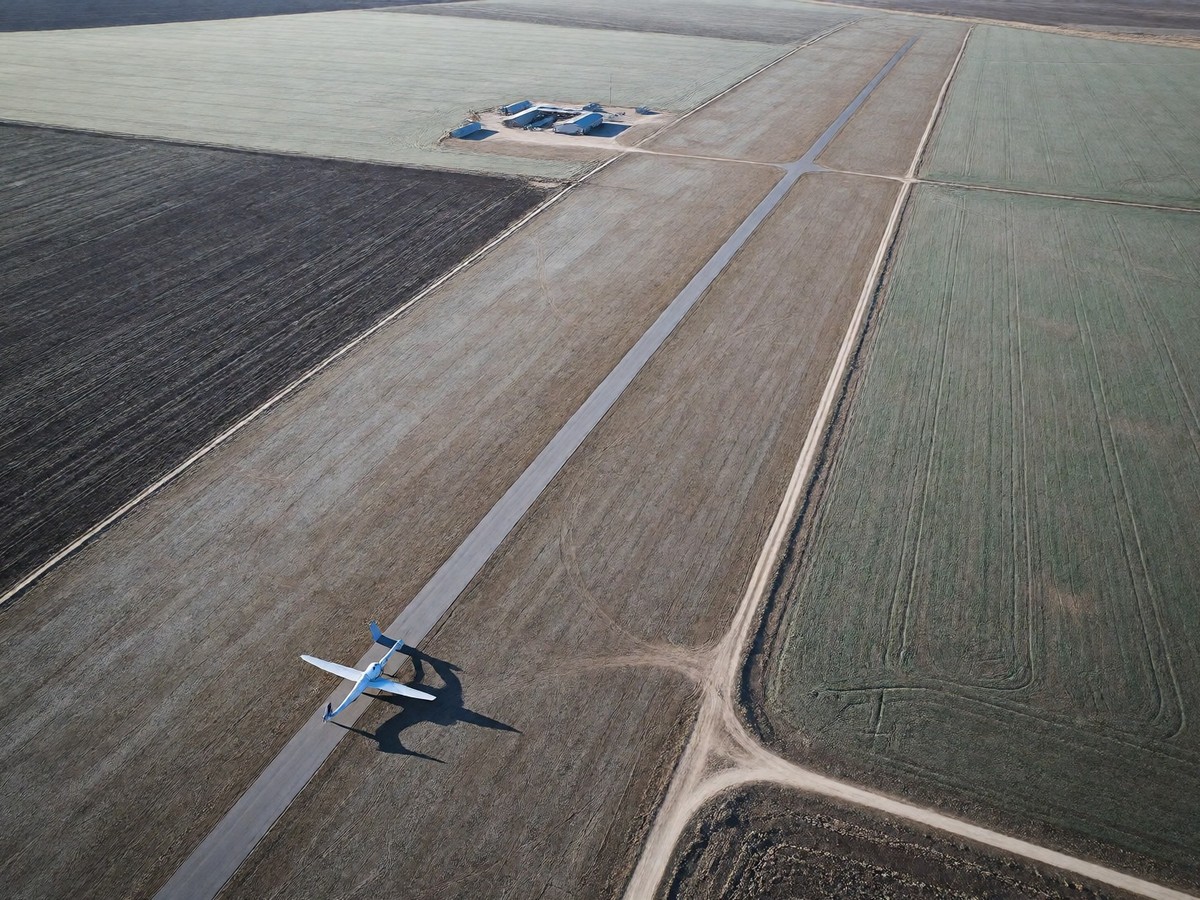
The Fire Point FP-2 carries a payload of up to 200 kilograms (440 pounds) and has a range of up to 700 kilometers (435 miles). These medium-strike drones facilitate Ukrainian military operations by targeting Russian missile and drone launch sites, radar stations, oil and weapons depots, and also air defense systems. Because these strikes disrupt Russian military operations and troop movements, the speed restrictions also complicate logistics and supply lines for the Russian army. A second Ukrainian military source told the Kyiv Independent that the restrictions result in extremely high drone losses during some strike missions. The speed restrictions are a direct hindrance to Ukraine’s ability to strike Russian targets. The medium-strike capability allows Ukrainian forces to reach targets in occupied Ukrainian territories to disrupt Russian activity in these contested zones.
Zelensky demands SpaceX lift limits
President Volodymyr Zelensky confirmed in a BBC interview on Nov 26 that restrictions on Starlink and Starshield remain in place in Russian-occupied areas. Earlier in November, Zelensky called on the US and Elon Musk’s SpaceX to lift the speed restrictions. He warned the limits undermine Ukraine’s ability to defend energy infrastructure against Russian attack drones. These drones target Russian military assets in occupied territories, including missile and drone launch sites, radar stations, oil and weapons depots, and air defense systems. These strikes disrupt Russian military operations and troop movements. The speed restrictions increase tensions between Kyiv and Washington over US military and political support. This situation complicates the ability of Ukrainian forces to strike targets deep in Russian-held territory in the region.