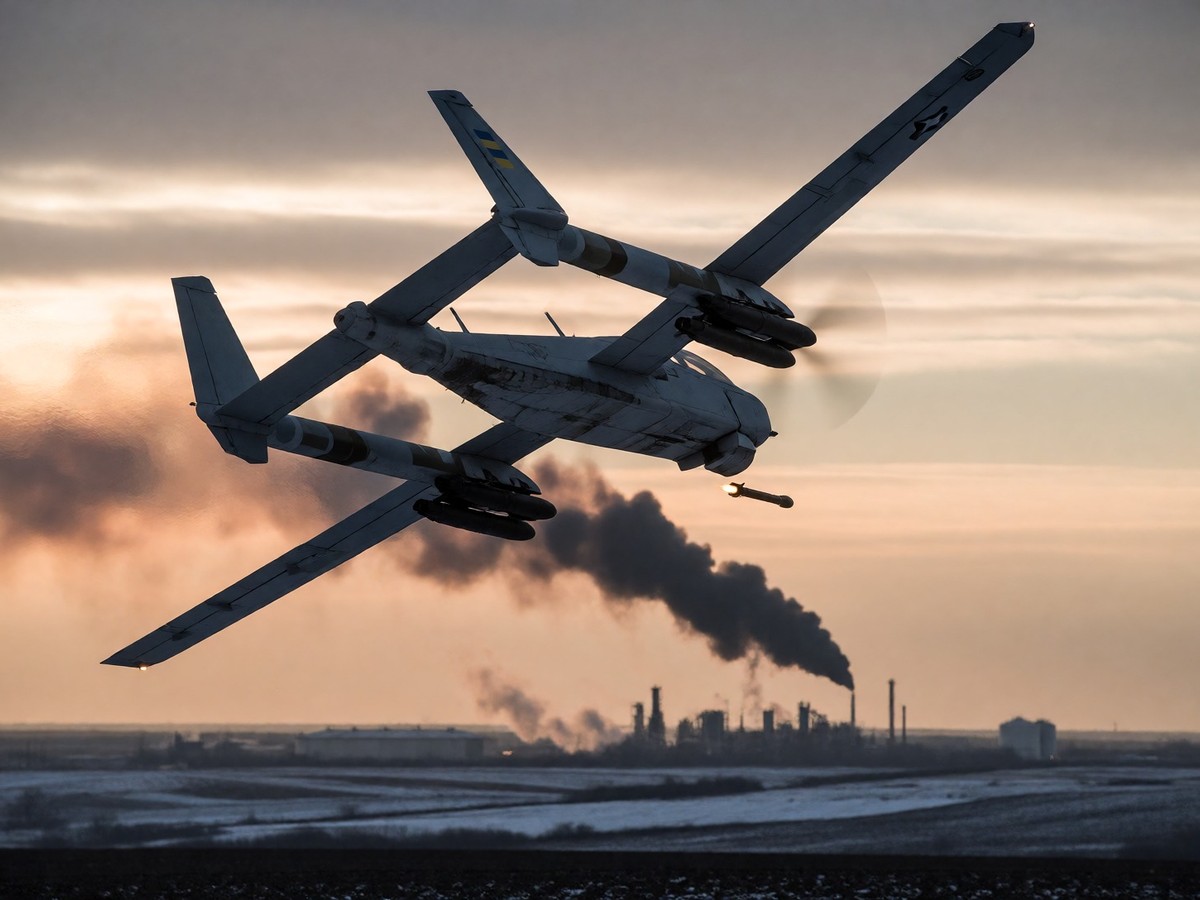
Strikes on fuel production and storage
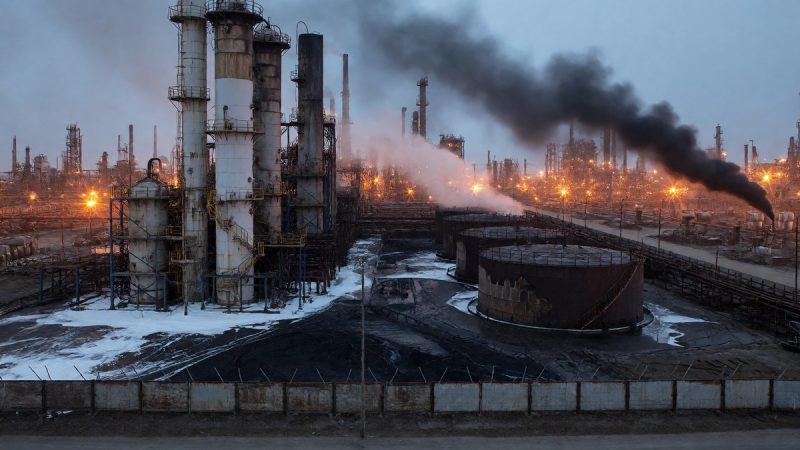
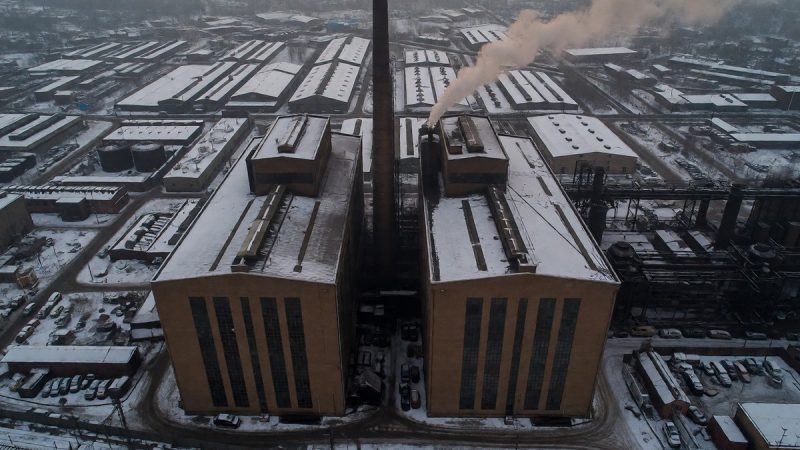
Ukrainian forces struck the Efremov Synthetic Rubber Plant in Tula Oblast overnight on Nov. 27. This strike hit a facility used to produce fuel for Iskander ballistic missiles. The General Staff confirmed the operation involved the Black Spark resistance movement. This plant produces synthetic rubber, a component for Iskander ballistic missile fuel. Without this material, the General Staff said the Iskander is just a piece of metal sitting in storage. The strike on the plant occurred alongside an attack on the Novoshakhtinsk Oil Refinery in Rostov Oblast. This refinery processes up to 7.5 million metric tons of oil annually. The strike destroyed 20 horizontal storage tanks and damaged 21 other horizontal tanks, 11 vertical tanks, and a section of pipeline. The military is still assessing the full extent of the damage.
Impact on Russian refining capacity
President Volodymyr Zelensky said Ukrainian forces struck military and oil facilities in 11 Russian regions and the Black Sea over the past week. This campaign targets Russia’s ability to finance and continue the war. In the last 20 days, Ukrainian attacks disrupted or stopped operations at 15 of 35 major Russian refineries, according to a Reuters report from Nov. 18. Crude oil processing at Russian refineries fell from 700,000 metric tons per day at the end of October to around 400,000 metric tons per day.
| Facility Type | Location | Date of Strike |
|---|---|---|
| Oil Refinery | Slavyansk-on-Kuban, Krasnodar Krai | Nov. 26 |
| Airfield | Marinovka, Volgograd Oblast | Nov. 26 |
| Fertilizer Plant | Stavropol Krai | Nov. 26 |
| Oil Refinery | Syzran and Kuibyshev, Samara Oblast | Nov. 25 |
| Airfield | Nizhny Novgorod Oblast | Nov. 25 |
| Oil Refinery | Novoshakhtinsk, Rostov Oblast | Nov. 23 |
| Chemical Plant | Smolensk Oblast | Nov. 20 |
| Oil Pumping Station | Republic of Tatarstan | Nov. 19 |
Strikes on Nov. 26 hit a Transneft oil storage facility in Bashkortostan and a fertilizer plant in Stavropol Krai, while Ukrainian forces hit five Russian aircraft at an airfield in Nizhny Novgorod Oblast on Nov. 25. Earlier strikes included the Syzran and Kuibyshev oil refineries in Samara Oblast on Nov. 25, the Novoshakhtinsk facility on Nov. 23, and a chemical plant in Smolensk Oblast on Nov. 20. The Ukrainian military also damaged three large oil storage tanks at a major oil pumping station in the Republic of Tatarstan on Nov. 19.
Drone limitations and Azov operations
Speed restrictions on the U.S.-provided Starshield satellite communications system hamper Ukrainian drone operations in Russian-occupied territory. Two Ukrainian military sources told the Kyiv Independent on Nov. 27 that these restrictions lead to heavy drone losses and mission cancellations. The restrictions apply only to territory that is temporarily occupied by Russia, and one senior member of the Ukrainian military told the Kyiv Independent, "There has clearly been a political decision to hamper the system’s function over areas Russia currently controls." These limitations affect medium-range drones like the Fire Point FP-2, which carries a 200 kilogram payload and has a 700 kilometer range.
Azov’s 1st and 9th Army Corps announced the success of operation Hell-3, which destroyed Russian fuel reserves in occupied Donetsk Oblast. Russian forces attempted to protect the depot with camouflage, electronic warfare systems, and mobile fire groups, but the Ukrainian units destroyed both the storage site and its supporting logistics infrastructure. This operation follows previous phases that targeted Russian logistics. On Aug. 17, Azov announced Operation Hell-2, which destroyed 67 fuel tanks containing 4,221 metric tons of fuel. Earlier, on July 1, Operation Hell-1 used Hornet drones to strike a fuel depot in Novoamvrosiivka, which forced Russian forces to abandon the depot and redirect supplies into Russia.
President Zelensky also announced that nine Ukrainian children returned from Russian-occupied territories and Russia through the mediation of Melania Trump. These children came from occupied Crimea as well as parts of Zaporizhzhia and Kherson oblasts. Zelensky said Ukraine has secured the return of 2,875 children in total.