Civilian movement in Kherson Oblast
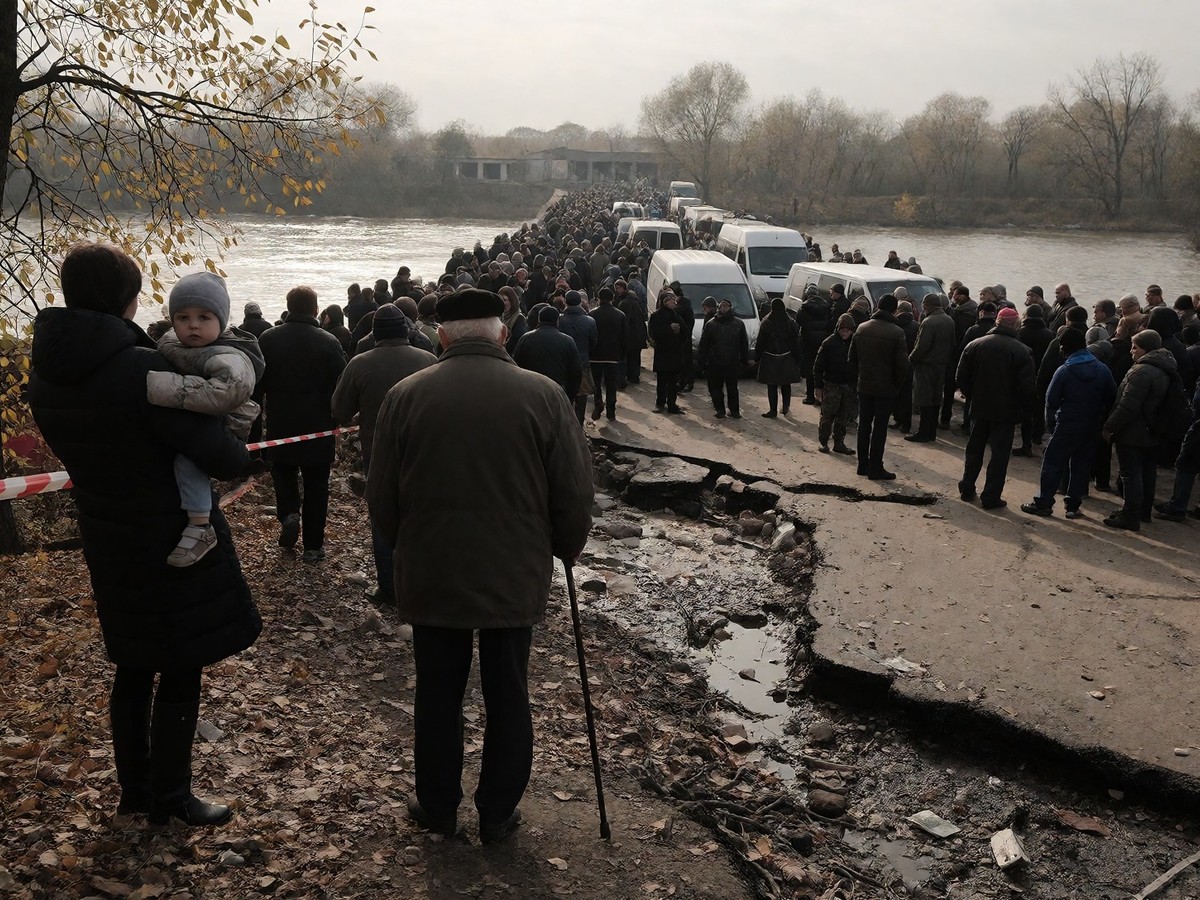
Ukrainian forces evacuated 167 civilians from the right bank of the Dnipro River in Kherson Oblast during a humanitarian ceasefire around the city of Oleshky. The Oleshky ceasefire, which lasted from Oct. 27 until 11 p.m. local time on Nov. 1, allowed the Ukrainian Defense Forces to use the improved security situation to move residents from the right bank of the Kherson region to safer areas. Among the 167 people evacuated, the General Staff reported 22 children and 21 individuals with limited mobility. These residents had previously lacked the opportunity to leave dangerous areas. On Oct. 31, evacuated residents of Oleshky began returning to Ukrainian-controlled territory as the ceasefire held. The city has faced starvation and humanitarian crises because Russian forces blockaded aid to the 2,000 residents living in the area since the early days of the full-scale invasion. The evacuation was a difficult necessity because the Kherson Oblast remains one of the most beleaguered and hazardous regions in Ukraine with constant threats to citizens. This operation utilized the security situation created by the ceasefire to reach those in need.
Operations through mined and debris-strewn roads
Units from Ukraine’s "South" task force cooperated with local authorities to move residents through mined roads and areas littered with destroyed military equipment and civilian vehicles. The General Staff said, "Those who were able to leave were those who had not previously had the opportunity to leave the dangerous areas." The "South" task force units strictly adhered to the ceasefire agreement. The General Staff stated, "Despite these risks, the main priority remains the preservation of the lives of the civilian population and the provision of assistance to those who are unable to leave dangerous areas on their own." Each person saved resulted from the joint work and coordinated interaction of all those involved in the humanitarian mission. This mission successfully moved 22 children and 21 people with limited mobility from the dangerous areas of the right bank of the Dnipro River. The operation provided relief to the 2,000 Oleshky residents who faced a blockade of aid from Russian forces. This evacuation was clearly a difficult undertaking in a region where constant threats trap citizens even in Ukrainian-held territories. The task force used the humanitarian ceasefire to facilitate the movement of all 167 evacuees.