Grid distribution fails in Kyiv and Kharkiv
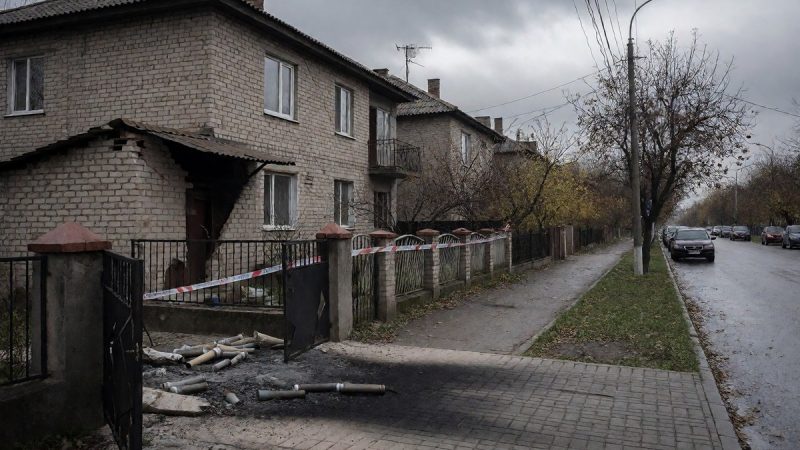
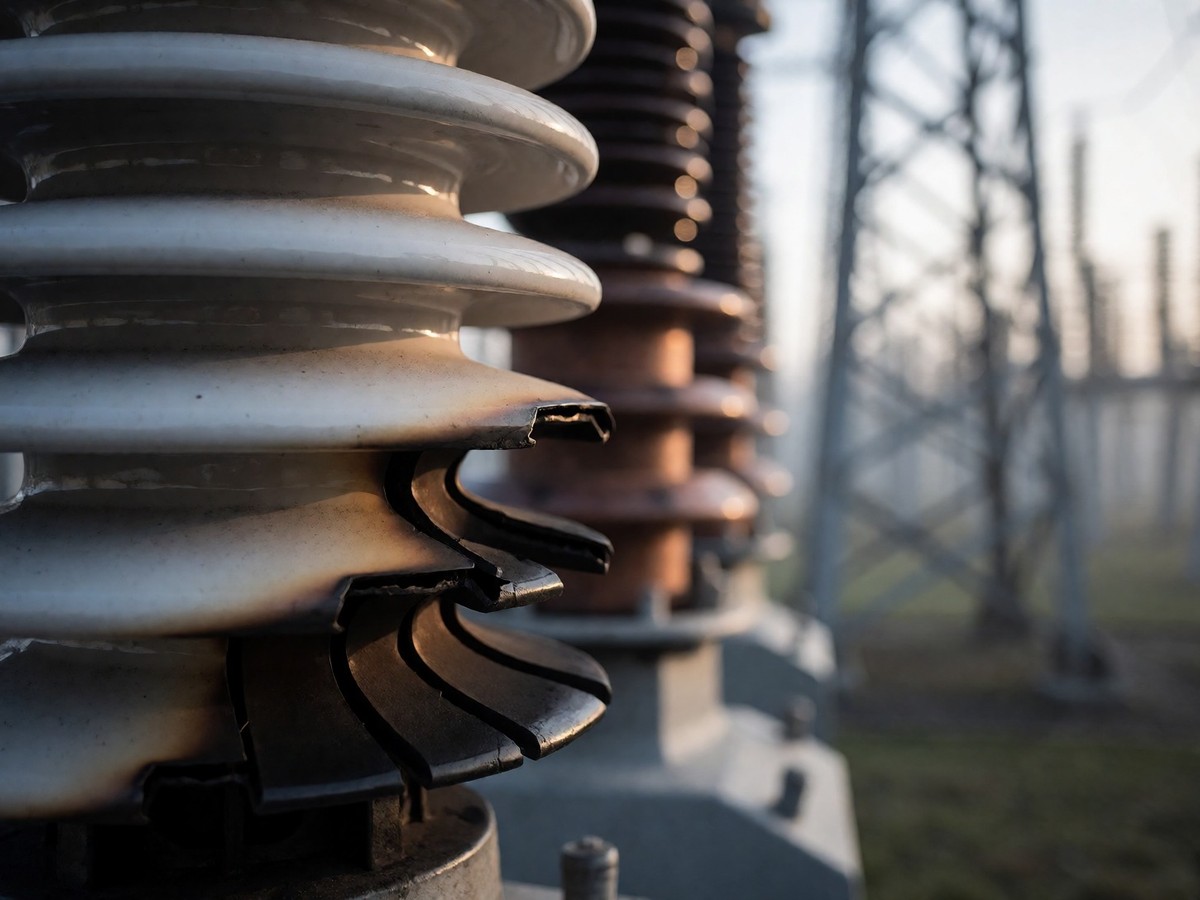
Ukraine’s nuclear plants reduced output on November 4 after Russian strikes on substations limited the grid’s ability to distribute power. First Deputy Energy Minister Artem Nekrasov told a briefing that attacks on substations restricted the system’s ability to distribute what the plants generate. The ministry gave no figure for the generation lost and did not name the plants affected. Output will return to normal only gradually, as crews repair the damaged networks, the ministry stated on Telegram. The situation remains most difficult in the capital region, where distribution system operators in Kyiv and the surrounding region introduced network restrictions following serious damage to power equipment. Emergency cuts also hit the Kharkiv region after voltage dropped in the high-voltage grid. Consumers in Vinnytsia, Zhytomyr, Zaporizhzhia, Kirovohrad, Kharkiv, and Kherson also faced outages or capacity limits. A reactor that cannot send its power down the line is lost to consumers just as one taken out by a missile would be, as substation damage can prevent nuclear plants from supplying the grid even when reactors are not reported hit. This follows a November 3 strike where three drones targeted a substation critical to the Khmelnytskyi nuclear plant, which operates two reactors with about 2,000 MW of capacity. Energy Minister Denys Shmyhal said these actions pose a threat to nuclear safety across Europe and told the International Atomic Energy Agency (IAEA) about the strike. The drones were part of a massive raid involving 289 drones, 59 cruise missiles, and 17 ballistic missiles that aimed primarily at energy targets in an attempt to freeze the Ukrainian population into submission.
Repairing 750kV infrastructure remains difficult
The repair of damaged equipment will be slow because 750kV substations use a voltage uncommon in Europe. Most European transmission runs at 400kV or lower, which makes finding replacements difficult and leaves spare stocks thin. Foreign Minister Andrii Sybiha stated on October 13 that the IAEA agreed to send missions to 19 substations. Energoatom chief Pavlo Kovtoniuk said in July that the main task is to have every unit at full power by mid-November before the heating season begins.
| Component/Target | Value/Detail |
|---|---|
| Khmelnytskyi capacity | 2,000 MW |
| Energoatom units | 9 units (7,880 MW total) |
| IAEA mission targets | 19 substations |
| November 3 raid | 289 drones, 59 cruise missiles, 17 ballistic missiles |
A reactor that cannot send its power down the line is lost to consumers just as one taken out by a missile would be. This technical reality complicates the efforts to stabilize the grid after the recent strikes. The Razumkov Centre reported in June that nuclear accounted for 53-55% of generation, whereas Energoatom operates nine units with a combined 7,880 MW, which represented about 44% of the 18 GW winter peak reached in January.
Grid instability threatens reactor safety
A surplus of power on a damaged grid can trip a nuclear unit, which takes several days to restart, according to Oleksandr Vizir of the Ukraine Facility Platform. This risk exists because nuclear plants supply baseload power and cannot change output quickly. The damage to the electrical network is significant. This situation mirrors a February 7 strike when attacks on substations feeding the nuclear plants forced all units off the grid. Ukrenergo chief Vitaliy Zaichenko said that the February strike cut nuclear output by around 50% for a time, creating a shortfall of up to 8 GW, which was about half of consumption at the time. On November 3, DTEK reported that three of its thermal plants were fully taken out of operation, removing capacity that could have covered the lost nuclear output. Denys Shmyhal told parliament in August that available capacity should reach 21.4 GW by the end of the year, assuming no major damage from strikes. The ministry has not said when the plants will return to nominal output, as it depends on how fast crews can reach the damage and whether the next raid comes first.