€45bn proposal for 2027
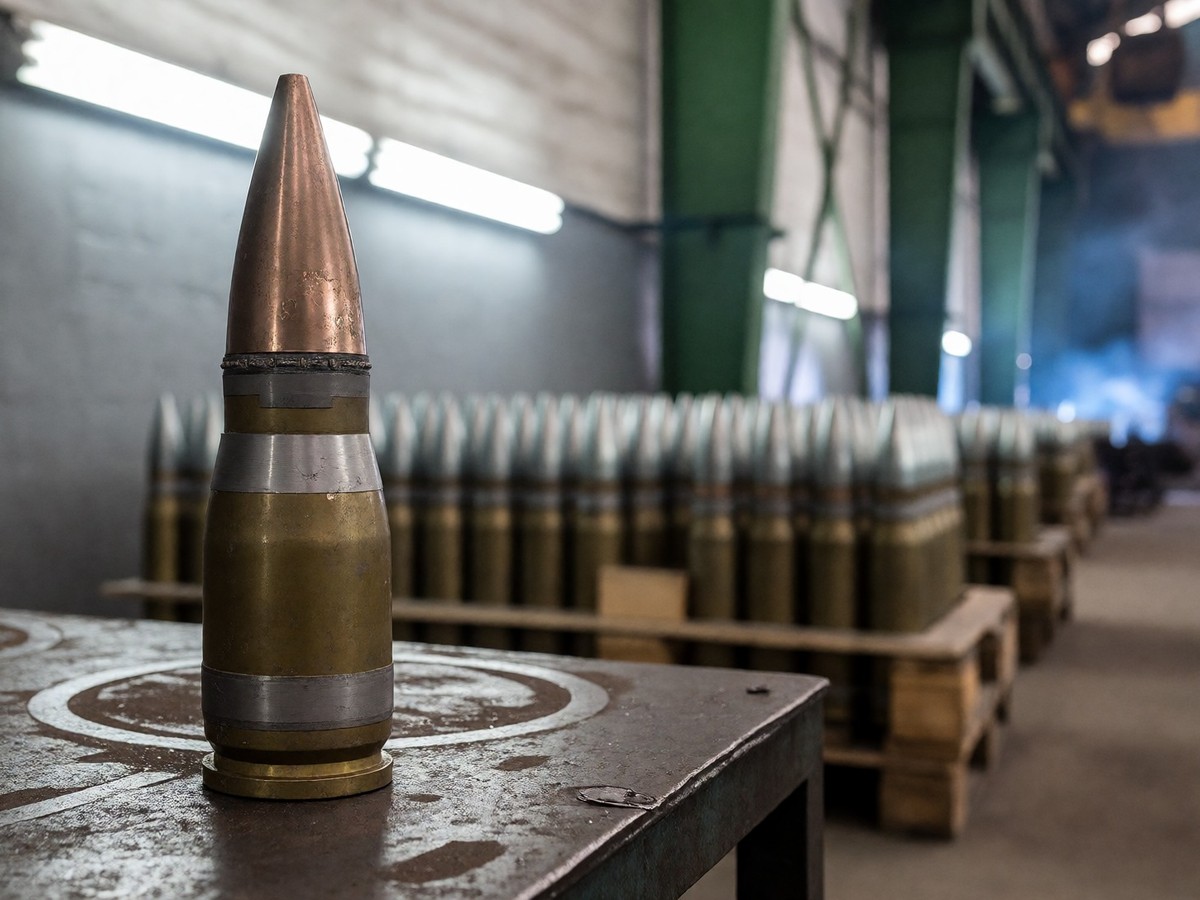
The European Commission plans to give Ukraine about €45bn next year under its Ukraine Support Loan. Most of this money goes to weapons production. I see €31.7bn earmarked specifically for Ukraine’s defence industrial capacity. The remaining €13.3bn splits between the Ukraine Facility and macro-financial assistance tied to Kyiv’s International Monetary Fund programme, a move that seeks to help maintain essential economic stability. This pledge is the second half of the €90bn loan the EU approved in April. Ursula von der Leyen said the proposal provides "much-needed predictability" and helps maintain essential public services. I judge the current funding level as inadequate because this €45bn pledge will not close the estimated €70bn shortfall Ukraine faces in 2027. Non-EU pledges for 2027 sit at just €4bn. While Norway pledged $9bn and the UK pledged $13bn in October, the reliance on EU funds remains heavy.
| Funding Allocation (2027) | Amount |
|---|---|
| Defence Industrial Capacity | €31.7bn |
| Ukraine Facility & IMF Assistance | €13.3bn |
| Total Proposed Loan | €45.0bn |
Missed reforms reduce payments
Missed reforms have already cost Kyiv money. The Commission wants to pay Ukraine €8.04bn under the Ukraine Facility, which is €264.6mn less than Kyiv requested because it has not finished putting independent supervisory boards into state-owned companies or adopted a plan to open its energy markets. Kyiv has only filled 10 of the 15 required independent board positions. I find the slow progress on these reforms frustrating, especially since Raiffeisen Research calculated that Ukraine drew only about €4bn of the budget money from the first half of the loan by late October. The first half of the loan set aside €16.7bn for the budget and €28.3bn for defence production. The Commission judged 16 of the 18 steps tied to the ninth instalment complete. These completed steps include a new IT system for enforcing court rulings, a human rights strategy, an anti-trafficking programme, a plan to cut state ownership of banks, an employment strategy, and preparations for an independent review of the energy regulator NEURC. The Council expects to decide on the deferred payment by the end of November. The ninth instalment accounts for €7.28bn, and after deductions for earlier pre-financing, Ukraine would receive about €7.8bn for instalments four, seven, eight, and nine.