Trade and investment growth
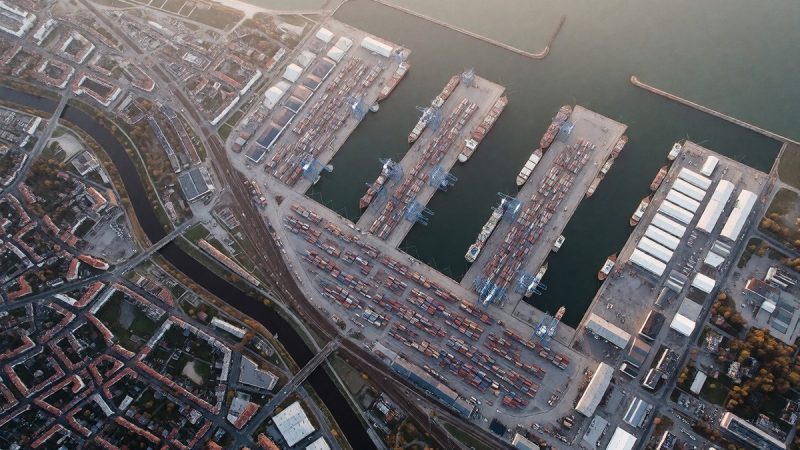
Germany’s economy minister Katherina Reiche called Poland an "example of great success" at the fourth Polish-German Economic Forum in Warsaw. Reiche noted that Germany has been Poland’s biggest trading partner for decades. Bilateral trade exceeded €180 billion last year. This figure rose significantly from the €25 billion recorded in 2000. China became Poland’s largest source of imports in July this year. While Germany remains a primary investor, Polish companies are expanding into German markets, such as the manufacturer Pesa which acquired German rival HeiterBlick to expand its operations across Europe. About 1,000 Polish companies have invested in Germany. About 1,600 German companies have invested in Poland. Mercedes-Benz recently invested approximately €1 billion to build an electric-only van plant near the city of Poznan to produce Crafer vans. Poland’s annual GDP growth has averaged 3.8% since joining the EU in 2004. This growth doubled the EU-wide average. The country now aims to join the G20 group. It hopes to become the 20th largest economy in the world.
Geopolitical challenges and EU policy
Polish finance minister Andrzej Domanski warned Europe against "economic naivety" as the continent faces a "unique" historical moment. He stated that the world is changing faster than ever. He also said that Europe must learn from the past and that Poland will never agree to a return to the previous approach toward Russia, specifically regarding renewed use of Russian energy imports. Domanski argued that competitiveness often took a back seat to other priorities in the past, which caused European industry to face serious challenges today. He stated that Europe will only be resilient once it becomes truly independent of external, unstable suppliers of raw materials. He proposed that the EU make competitiveness a core policy priority by cutting red tape, strengthening the single market, lowering energy costs, and investing in strategic technologies such as AI. During a meeting of the Friends of Industry, which included representatives from 21 EU member states and European Commission Vice-President Stephane Sejourne, leaders discussed protecting European industry and strengthening economic security. Domanski also suggested tightening trade protections against unfair foreign competition. The forum aimed to coordinate positions on industrial policy and competitiveness.