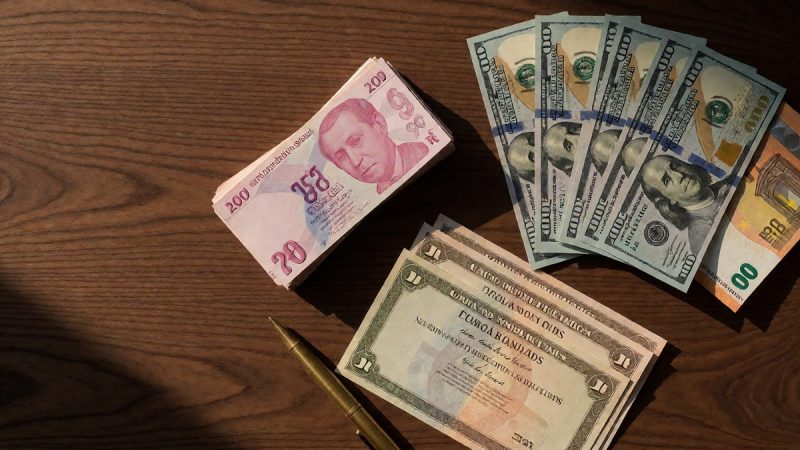
Russian households’ cash operations fell 35% month-on-month in September to their lowest level since February, according to Bank of Russia data cited by Kommersant. The total reached RUB263.2bn ($3.2bn), which is less than half the RUB550.5bn ($6.7bn) recorded in July. This sharp reversal signals how far wartime security measures had pushed citizens back to physical currency before anxiety finally cooled. Mobile internet shutdowns designed to counter Ukrainian drones remained near record levels through the first half of the year. Consequently, Russians made their largest cash withdrawals in fifteen years around Victory Day in May when Moscow’s networks were cut.
The fading panic
Interest in holding cash has faded since August, a trend that coincides with official statements debunking rumors of a large-scale mobilisation after the elections. Yevgeny Nadorshin, investment strategy director at Ingosstrakh-Investments, notes that Western intelligence had previously reported a stealth mobilisation following the September Duma vote, but public fear has now receded. He observes that "the level of anxiety has fallen," leading to fewer ill-considered purchases and reduced demand for emergency stockpiles. Mikhail Bryukhanov, chairman of Pervouralskbank, identifies disruptions to mobile internet and tax changes as primary drivers of the spring surge, though he confirms these factors have gradually weakened. The holiday season ended in September, and Alexei Voilukov of the RANEPA academy adds that mobile internet has more or less stabilised. Households still hold the cash withdrawn over the summer, yet the immediate pressure to withdraw more has clearly dissipated.
Deposit rates turn
Average deposit rates have edged up again after a recent decline, giving people a concrete reason to keep money in the bank rather than in wallets. The central bank has held its key rate at 14% since July, and its board sees the economy running above capacity while tightening control over the origin of cash transactions. The September outflow from household deposits was just RUB0.05 trillion ($609mn), representing a mere 0.1% drop. Cash outside the central bank rose by RUB348bn ($4.2bn) in September to reach RUB22.2 trillion ($270bn). However, growth slowed significantly in October, with an increase of only RUB220bn ($2.7bn). Voilukov expects this low figure to persist in November before the usual seasonal peak arrives in December. Even with slower monthly growth, the December peak should still deliver the central bank’s forecast of a RUB3.7 trillion ($45bn) rise in cash in circulation for the year.