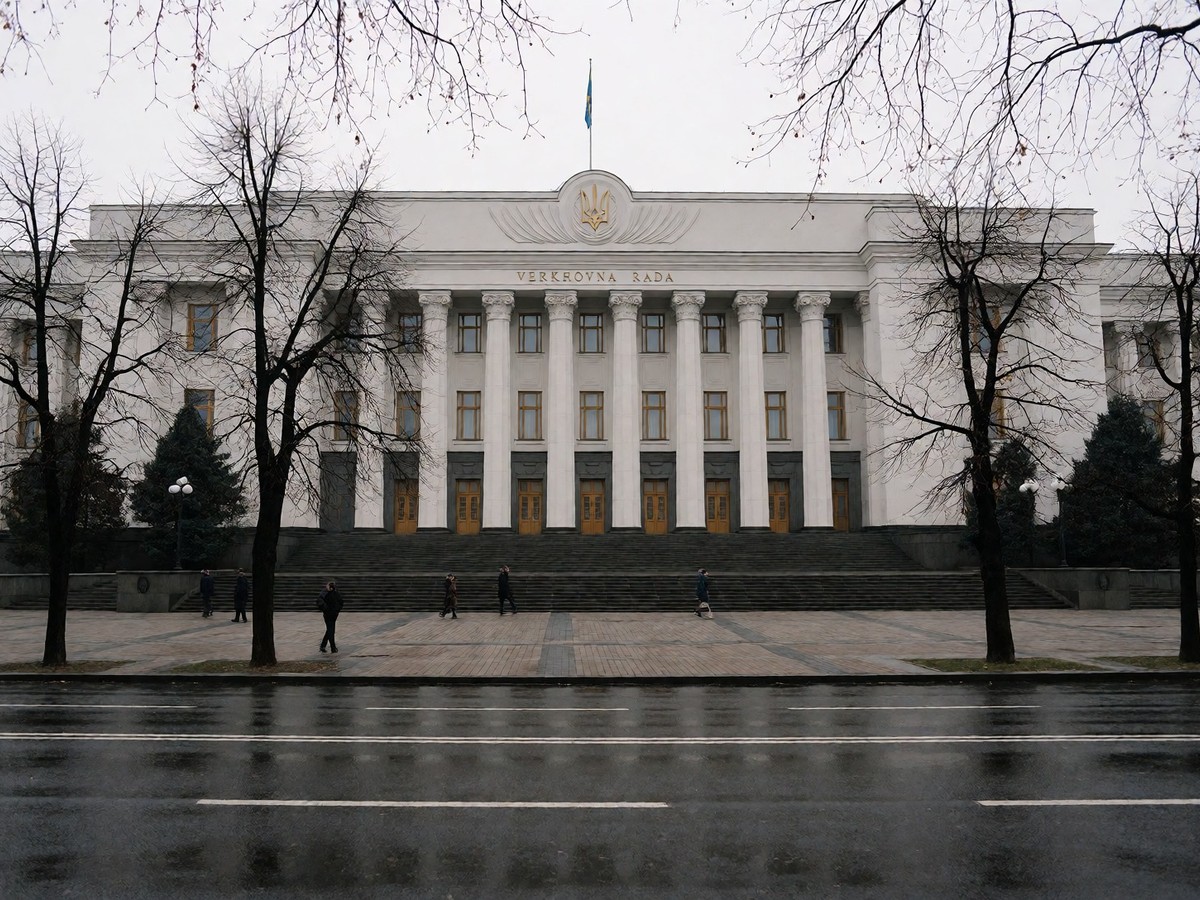
Ukraine faces a strict deadline to pass anti-money laundering legislation required for Single Euro Payments Area membership. The Verkhovna Rada is set to consider Bill No. 14327-d in its first reading on Nov. 10, according to co-author Olha Vasylevska-Smahliuk. This bill forms part of a three-part package that includes No. 15501, which protects whistleblowers from retaliation, and No. 15503, granting formally accused entities the right to respond to financial monitoring violations. SEPA links 41 countries and territories, treating cross-border euro transfers like domestic payments. Membership would reduce transaction costs for Ukrainian businesses paying European suppliers and customers. Vasylevska-Smahliuk estimates that citizens and firms could save Hr 10 billion ($220 million) annually through lower bank fees and transaction costs. "We may not be members of the European Union yet, but joining SEPA would make us part of the European payment area," she said. "It would be a form of partial European integration, something like ‘financial visa-free travel’ for Ukraine."
Legislative Stalls and Financial Consequences
The central dispute involves who accesses a new register showing which banks hold a person’s account or safe-deposit boxes, though not balances or transaction histories. Investigators would use this register to locate accounts without contacting each bank separately and could ask courts to freeze assets if necessary. European Commission representatives want access extended to law enforcement agencies investigating financial crimes, organized crime, and corruption. As a compromise, lawmakers plan to give direct access at first to the Bureau of Economic Security, the National Agency for the Prevention of Corruption, and the Asset Recovery and Management Agency. Access for other bodies will be discussed before the second reading. If the bill passes on Nov. 10, parliament could consider it again in mid-December, provided lawmakers shorten the amendment submission period. In the best-case scenario, the law passes by year-end, allowing the National Bank of Ukraine to submit the SEPA application to the European Payments Council. "If we fail to meet the current deadline, we could miss the opportunity to join SEPA under the existing rules," Vasylevska-Smahliuk warned. "The requirements are about to become much stricter, and I don’t think Ukraine will be able to implement all of them quickly." The EU’s new anti-money laundering rules take effect on July 10, 2027. Neighboring Moldova connected to SEPA in October 2025, and its citizens and businesses saved around $14.7 million in the system’s first ten months, according to the National Bank of Moldova.