Committee accepts the plan
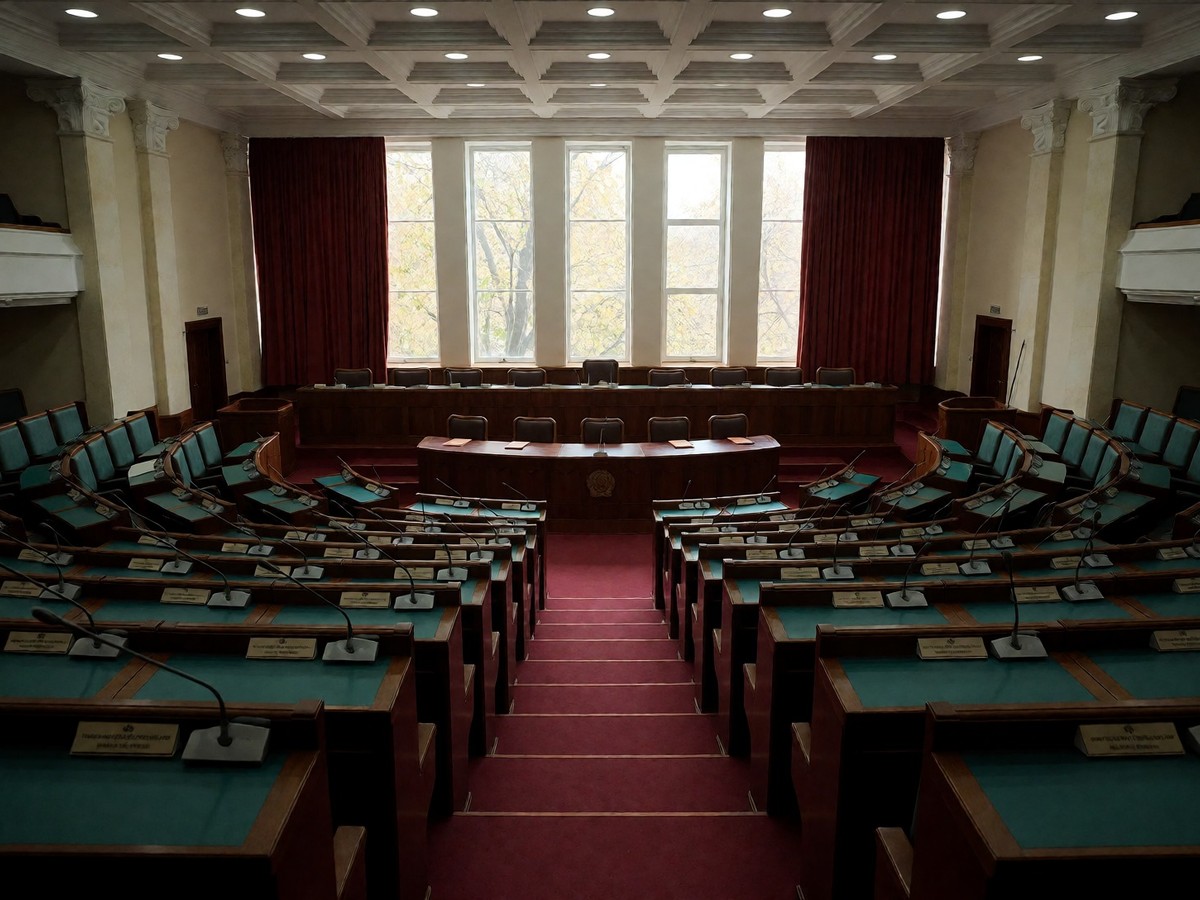
The State Duma’s budget and taxes committee recommended adopting the 2027-2029 federal budget in its first reading on October 29. Andrei Makarov chairs the committee, which calls the plan balanced and realistic while warning of revenue risks. The 2027 draft puts federal revenue at RUB43.3 trillion ($535bn) and spending at RUB48.7 trillion ($602bn), creating a deficit of 2.2% of GDP. This deficit should narrow to 1.9% in 2029. Non-oil and gas revenues make up more than 83% of the total revenue. The plan does not draw on the National Wealth Fund to cover the deficit. I consider the committee’s warning about tighter monetary conditions serious, as these conditions could hit investment, consumer spending, and revenue. The committee also flags weak productivity growth and a rising debt burden as internal risks.
| Feature | 2027 Plan |
|---|---|
| Federal Revenue | RUB43.3 trillion |
| Federal Expenditure | RUB48.7 trillion |
| Deficit (% of GDP) | 2.2% |
| 2029 Deficit (% of GDP) | 1.9% |
| Non-oil/gas revenue share | Over 83% |
| Ministry Urals oil forecast (2027) | $53/b |
| Ministry Urals oil forecast (2029) | $51/b |
Inflation and oil price risks
Makarov and his committee identify external uncertainty as the main risk, specifically the chance that oil and gas revenues fall short. I find the government inflation forecast too optimistic. Lawmakers and the Accounts Chamber argue that the government inflation forecast does not fully match the path of the key rate and the above-forecast indexation of utility and transport tariffs, which could stop inflation returning to target in 2027. Tight monetary conditions may hit investment and consumer spending, which would reduce revenue. They also flag weak productivity growth and a rising debt burden as internal risks. The ministry forecasts Urals crude at $53 a barrel in 2027 and $51 a barrel in 2029, though the Bank of Russia expects a drop to $50 a barrel. The committee noted the 2026 oil price assumption of $61.2/b may be too low. The Accounts Chamber says hitting $61.2/b would require prices to fall to $36.3/b in the fourth quarter, which is unlikely even if the Middle East conflict is settled.