Economic contraction and rising inflation
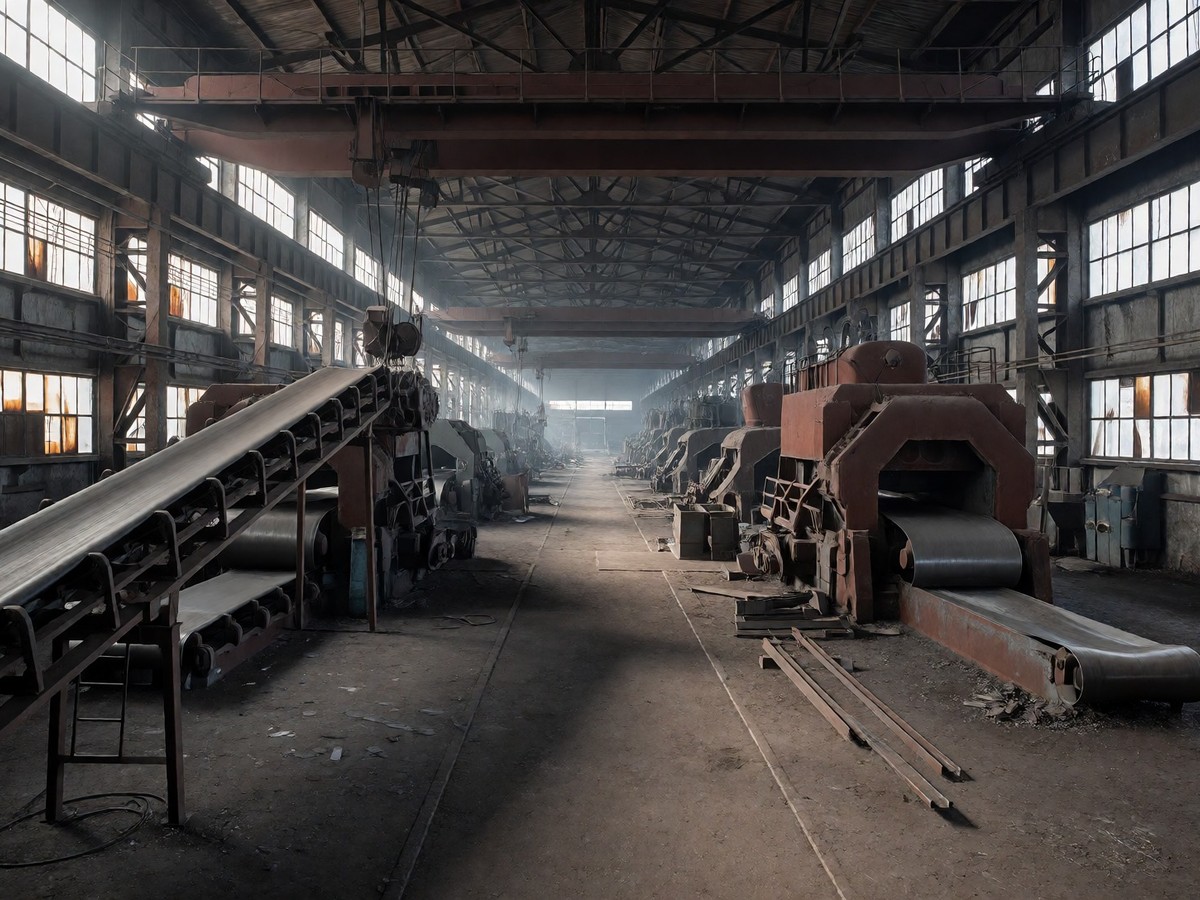
Ukraine’s economy will shrink by 0.4% this year, the National Bank announced on October 29. This marks the first contraction since the 2022 invasion. This revision replaces a previous growth forecast of 1.8%. Russian attacks on production facilities and the blockade of seaports drove this decline. The metallurgy industry faces significant disruption, as steel production has shut down across the country due to the risk of strikes. Farmers face a grim outlook. The Agriculture Ministry says they will see no profits from crop production this year because high costs for fuel, fertilizers, land rental, and autumn sowing combined with the inability to export through the Black Sea have squeezed margins. Inflation jumped to 10% in September. The National Bank predicts annual inflation will reach 12.5% by the end of 2026. This decline is the first contraction for the country since the 2022 invasion, which saw gross domestic product plummet by 30%.
| Economic Indicator | Data Point |
|---|---|
| 2026 Inflation Forecast | 12.5% |
| September Inflation | 10% |
| Current Interest Rate | 16.5% |
| Projected Budget Deficit | Hr 1.7 trillion ($37 billion) |
| Expected Business Losses | $10 billion |
| Tax Shortfall | Hr 70 billion ($1.5 billion) |
The economic situation is bleak as businesses expect to lose $10 billion after recent attacks. This loss creates a Hr 70 billion ($1.5 billion) tax shortfall. To cool the economy, the National Bank raised its benchmark interest rate to 16.5% and expects to hold it until spring 2027. The National Bank predicts that foreign partners will provide $52 billion in direct budget support and $37 billion for defense needs next year through the EU’s Ukraine Support Loan program after the country passed new laws this month. Economic activity may find support through public and private investment in the defense industry, the localization of weapons production, and projects to restore critical infrastructure. The National Bank forecasts a slow recovery in economic growth during 2027 and 2028.
Defense funding and cooperation
The European Commission invited member states to pitch defense projects totaling 21.3 billion euros ($23.8 billion) on October 29. These funds come from the Security Action for Europe (SAFE) instrument, which freed up 150 billion euros in favorable loans in May 2025. The Commission encourages countries to address urgent needs like drones, ammunition, and air defense systems. Bulgaria plans to co-produce drones. Finnish manufacturer Patria is forming a joint venture with Ukrainian producer General Cherry to advance interceptor technology and first-person view (FPV) drones. Arseniy Yatsenyuk told the Kyiv Independent at the annual defense and space conference organized by Logos that European defense manufacturers should support Ukraine so the country can continue to procure from them.
The SAFE scheme remains active because 19 countries submitted proposals for the initial loans, though Italy and Hungary scaled down their borrowing plans. The European Commission emphasized that submitted plans should prioritize Ukraine. This funding follows the launch of the EU-Ukraine drone alliance, which brings together manufacturers from both sides to deepen cooperation. Ukraine’s Economy Ministry is also developing support programs for companies, including a multibillion-dollar war risk insurance fund to help cover businesses starting in January.