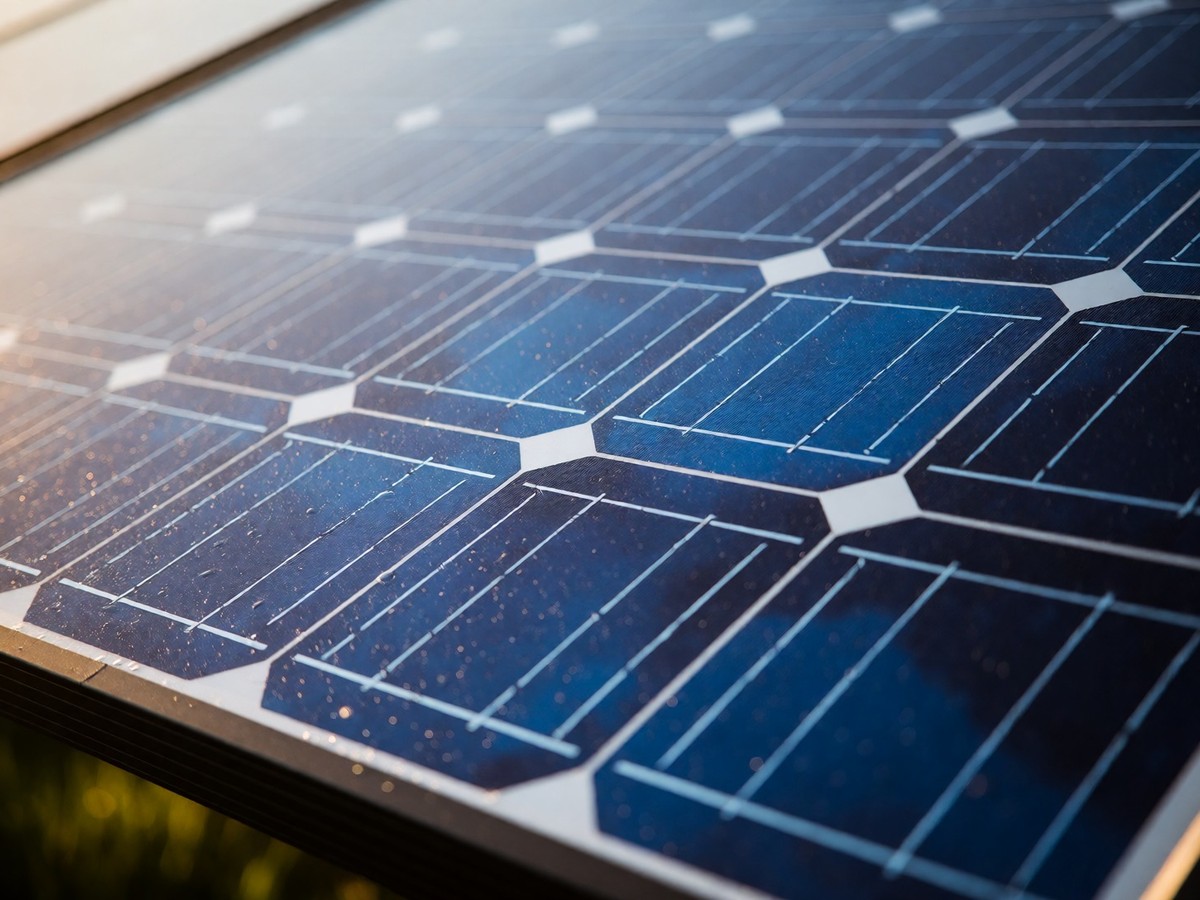
The regional assembly in Wielkopolska province approved plans this week to create Accelerated Renewable Energy Development Zones (OPRO), which will speed up solar development across the municipalities of Zlotow, Lwowek, Rawicz and Slupca. These zones cover 105.4 hectares and allow investors to develop solar farms under simplified planning and environmental procedures. This initiative reduces project preparation times from three or four years down to one or two years because planning and much of the environmental assessment conclude before investors apply for permits. Environmental authorities must review projects with a capacity of at least 150 kW within a maximum of 45 days. This change provides relief to the industry, as representatives told energy Swiat OZE that obtaining an environmental decision can currently take up to 150 days.
EU rules and Poland’s energy mix
| Feature | Specification |
|---|---|
| Total land area | 105.4 hectares |
| Technical solar potential | 66 to 80 megawatts |
| Min. capacity for 45-day review | 150 kW |
| EU deadline for designation | 21 February 2026 |
The creation of these zones follows the EU’s revised Renewable Energy Directive (RED III), which requires member states to designate areas where renewable energy projects can be developed more quickly. Under the directive, permitting procedures in these zones should take no longer than 12 months for onshore projects and 24 months for offshore projects, although Poland’s adoption arrives several months after the 21 February 2026 deadline. Maria Niewitala-Rej, a climate and energy policy analyst at the Reform Institute, told Dziennik Gazeta Prawna that while "the scale of the Wielkopolska plan is modest, the adoption of the first resolutions is a step in the right direction". The technical potential for solar capacity in these new areas is 66 to 80 megawatts, based on the arrangement of the panels. These zones help Poland move away from its coal dependency because the country still produces around half of its electricity from coal. In 2025, renewables reached 29.4% of the energy mix, while onshore wind provided 14.2%, solar contributed 12.1%, and biomass provided 1.8%. The government’s energy plan, approved in June, targets a coal share of only 0-5% by 2040. The 2040 plan also includes 15-16% nuclear power, 7-8% gas, 22-27% onshore wind, 18-21% offshore wind, and 14-18% solar.