Corruption and political connections
The defeat of Aleksandar Vucic in the October 25 election threatens Russia’s influence in the Western Balkans because it removes Moscow’s most important political ally in the region. A report from the Carnegie Russia Eurasia Center says the new government will likely find it difficult to maintain close economic ties with the Kremlin while it works to tackle corruption. The Student List movement won the election and pledged to maintain cooperation with Moscow, but its plans to overhaul state institutions and improve transparency will likely cause conflict with Russian business interests and political networks. Maksim Samorukov, a Carnegie fellow, wrote in an analysis published October 30 that these goals are "mutually exclusive, even if the new leaders in Belgrade haven’t yet realized it."
The Student List lacks the specific connections that Vucic used to manage relations with the Kremlin. When Vucic’s party took power in 2012 after Boris Tadic, he maintained continuity by relying on figures with long-standing Kremlin connections, such as Aleksandar Vulin and Ivica Dacic. He also worked with Srbijagas chief Dusan Bajatovic, who has held his position since 2008 and acts as an interlocutor with the Russian gas giant Gazprom. Unlike Vucic, who speaks fluent Russian and has personal ties to Russian officials, the new movement lacks these established networks. The Student List movement consists of diverse members who may criticize Russian policies or support closer European integration, which Moscow could interpret as evidence that the election was part of a Western effort to weaken its position. The Socialist Party, which provided many of Vucic’s contacts in Moscow, failed to enter parliament and will not participate in the new government. Plans to remove officials associated with the previous administration from state institutions and companies could also threaten Russian interests because of the long-standing relationships between Russian businesses and Serbian political and economic elites.
Energy leverage and regional shifts
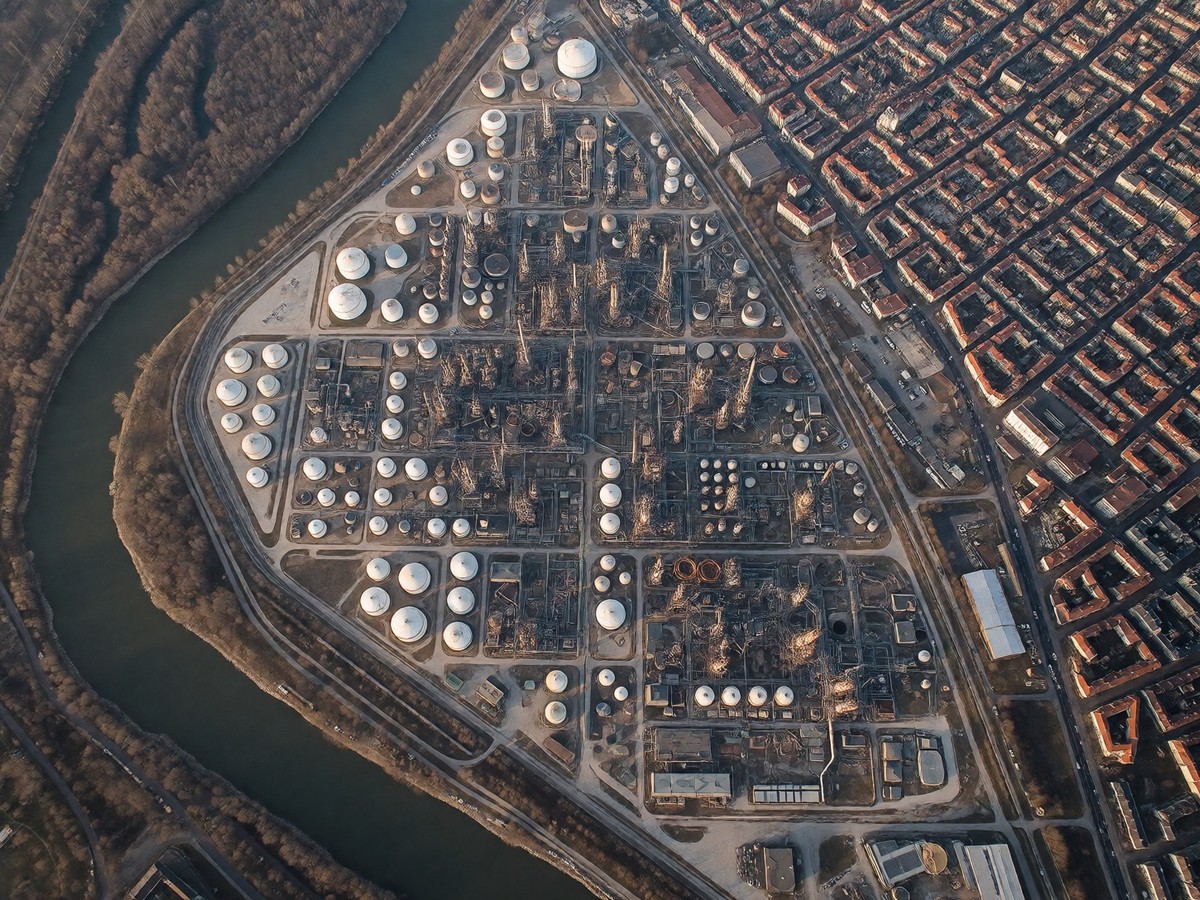
Energy relations and the status of Kosovo will test how the new government balances Brussels against Moscow. Serbia’s gas supply contract with Russia expires at the end of 2026, and negotiations regarding the sale of the Russian-owned oil company NIS remain unresolved. Samorukov says Moscow could use its position in the energy sector to exert pressure on Belgrade, noting that Moscow provides Serbia little more than "energy blackmail" while Brussels provides support for institutional and economic priorities. The Kremlin’s hostility toward popular uprisings, particularly following the 2014 Maidan revolution in Ukraine, makes Moscow suspicious of the new Serbian authorities. The Kremlin has supported Vucic’s portrayal of the student protests as a Western-backed attempt at regime change for two years. The wider geopolitical environment has also changed since Vucic first came to power, as Moscow now views the EU as a strategic adversary.
The transition in Serbia could mirror the political change seen in Montenegro. After the long rule of Milo Dukanovic ended, fears existed that Russian influence and Serbian nationalism would expand, but Montenegro instead moved toward EU membership through democratic reforms. Without Vucic, Russia cannot rely on the state resources of the largest country in the region to promote nationalist narratives or ethnic tensions. While Serbia’s refusal to recognize Kosovo’s independence remains a basis for cooperation with Russia, Samorukov argues that Belgrade’s reliance on Moscow over this issue should not be overstated. The Kremlin will likely maintain its position on Kosovo regardless of whether relations with Serbia deteriorate.