Refinery strikes and Russian industrial targets
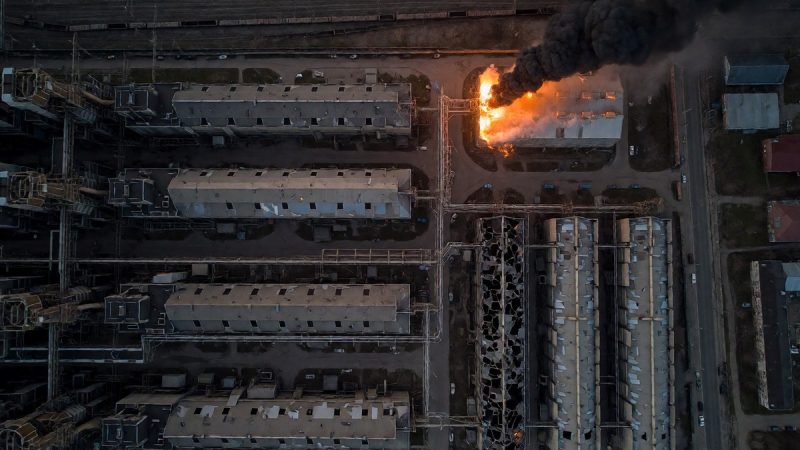
Ukraine resumed drone strikes on Russian refineries, hitting three refineries and one gas chemical complex on the night of October 29-30, Deputy Prime Minister Alexander Novak said. One facility sustained minor damage, according to Novak, though he did not name the specific sites. The drone manufacturer Fire Point reported that its FP-1 drones hit a diesel fuel hydrotreating unit at the Rosneft Novokuibyshevsk refinery, which has a design capacity of about 8.8 million tonnes a year. Governor Vyacheslav Fedorishchev said Kyiv launched "a record number of drones" at the Samara region and that two people died while responding to fires at industrial sites. The General Staff also reported that Ukrainian forces struck an Iskander-M launcher near Fatezh and hit ammunition depots in Maloyanysol, Novoyehorivka, and Hanusivka. Novak also said the attacks would not disrupt fuel supplies to Russia and that the government is preparing to extend the ban on diesel exports until the end of January. These strikes contribute to a ledger of 27 refineries hit by Ukraine, which accounts for about 14.8 million tonnes of annual capacity, or 5% of Russia’s 327 million tonne total.
Kyiv outages and the Russian drone response
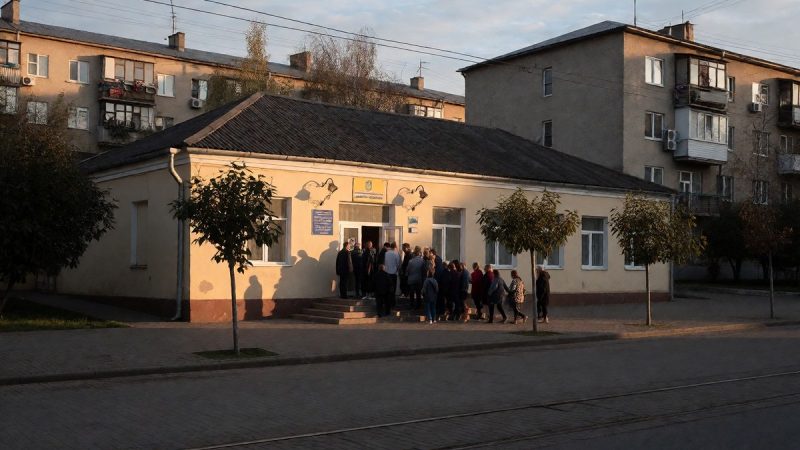
A Russian strike on a Kyiv energy facility on the evening of October 30 left parts of the Obolonskyi, Darnytskyi, Desnianskyi, and Podilskyi districts without power, according to the grid operator DTEK. Mayor Vitali Klitschko said several critical infrastructure facilities were knocked out and that water pressure had dropped in the city. Russia’s defence ministry claimed it struck the CHP-6 heat and power plant in the Desnianskyi district on October 31 to target military logistics and weapons storage. Overnight, Russia launched 134 drones, including 72 jet-powered Shaheds, while the Ukrainian air force reported downing or suppressing 105 drones. In Dnipro, the death toll from a drone strike on a railway station on October 29 rose to 15 after a 40-year-old man died in hospital. This attack also left more than 350,000 customers in the city and nearby settlements without power, according to regional head Oleksandr Hanzha. Rosaviatsia reported aviation restrictions at Ulyanovsk, Kazan, Samara, Yekaterinburg, Perm, Ufa, Bugulma, Nizhnekamsk, and Izhevsk airports. A jet-powered Shahed hit a private house in Kharkiv’s Osnovianskyi district on the night of October 30-31, injuring three people and damaging 10 residential buildings, according to Mayor Ihor Terekhov. In Sumy, acting mayor Artem Kobzar said two drones hit a car wash and a non-residential building in the Zarichnyi district at about 23:40 on October 30, causing fires. Russia’s defence ministry said air defences destroyed 433 Ukrainian drones overnight over 19 regions, including Bashkortostan, Tatarstan, Samara, Orenburg, Ulyanovsk, and Rostov.
Regional casualties and military aid
Russian attacks across Ukraine killed at least 27 people and injured 127 others through October 30, according to the Kyiv Independent. In the Bryansk region, Governor Yegor Kovalchuk said Ukrainian drones dropped explosive devices on three schools and 17 kindergartens in the Bezhitsky district, killing a 19-year-old. A jet-powered drone hit a shopping centre in Kharkiv’s Kyivskyi district on the morning of October 30, causing a fire, according to Mayor Ihor Terekhov. In Chernihiv, Banderol cruise missiles killed two 15-year-old girls and injured 25 people during an attack on the central district on October 29. In Zaporizhzhia, the International Atomic Energy Agency reported that a welder died in a drone attack on the plant’s central repair workshop on October 29. The US State Department approved a possible sale to Ukraine of 500 PAC-3 MSE Patriot interceptors worth $2.1 billion, with funding from Canada, Germany, Norway, and Ukrainian funds backed by the EU. The Ukrainian Foreign Ministry said work continues to speed up delivery of F-16s and to acquire two MiG-29s from Poland. Ukrainian drones destroyed or disabled 1,039 Russian boats since the start of 2026, according to the Defence Ministry. Ukrainian intelligence says Russia produces up to 3,000 jet-powered Shaheds a month, and adviser Serhiy Beskrestnov says the country produces about 700 Geran-5s.