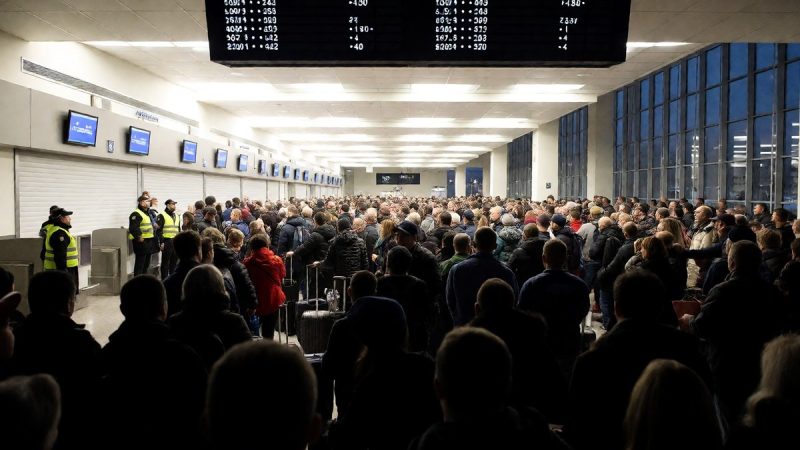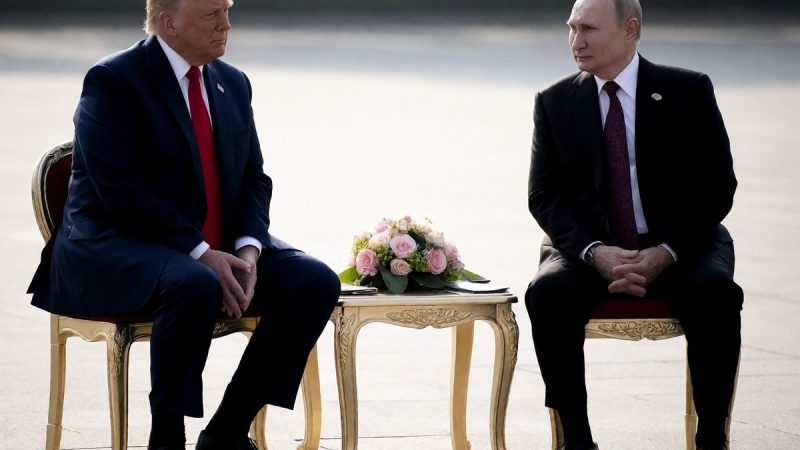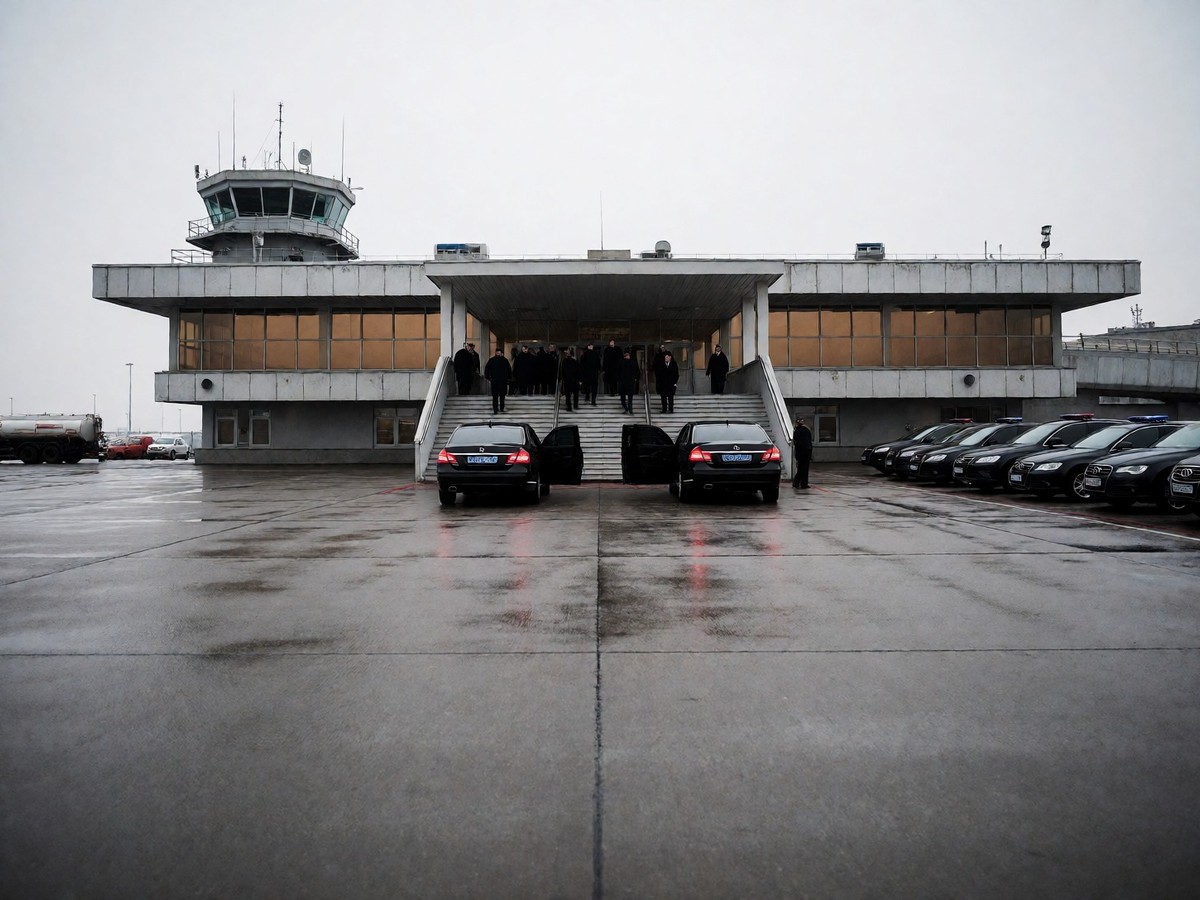
Steve Witkoff and Jared Kushner arrived at Vnukovo airport on November 12 to meet Vladimir Putin, with Kremlin spokesman Dmitry Peskov confirming the session would begin in the first half of the day. The agenda centers on two distinct items: the fate of Ukrainian territory in the Donbas and a new security pact for Europe. These topics emerged from the three-way talks in Abu Dhabi held on November 10-11, where progress on security guarantees stalled because no deal could be finalized without a resolution on land. President Volodymyr Zelensky declared there is a "window of opportunity" to end the war before 2027, citing potential changes in the political landscape across Europe and the United States that make immediate action necessary. He told a press conference in Dublin that all parties currently involved genuinely want to achieve a result before those shifts occur, though he remains skeptical about whether Washington will apply sufficient pressure on Moscow rather than on Kyiv.
Territory remains the make-or-break issue
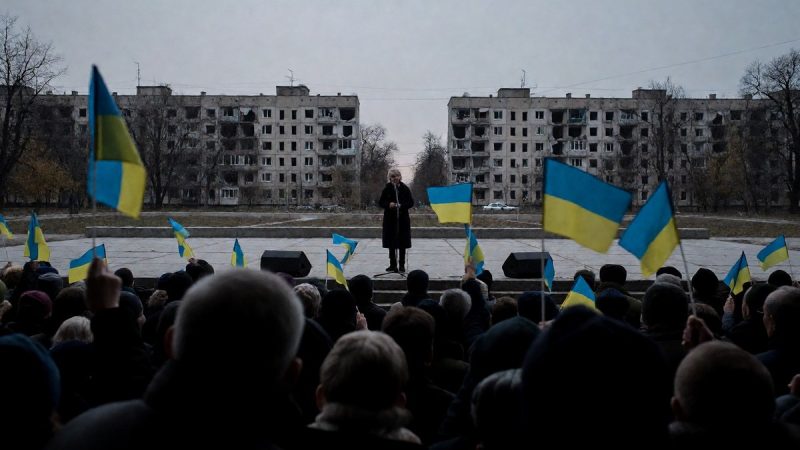
The negotiation over land is the primary obstacle, with several options discussed behind closed doors during the second day of the Abu Dhabi sessions. A US proposal suggested redrawing administrative boundaries so Moscow could claim full control of Donetsk and Luhansk regions while Kyiv retained fortress cities like Kramatorsk and Slovyansk. Kyiv rejected this idea outright, stating it would neither cede nor formally recognize occupied land, even as Russia demands approximately 5,000 square kilometers of territory its army has failed to capture by force. Vladimir Medinsky, who heads the Russian delegation, insisted that every inch of their land will be returned to Russia one way or another, reinforcing Moscow’s stance that there is no settlement without the Donbas. Zelensky hardened his position compared to 2024, when he floated a referendum on giving up territory, now describing the remaining areas as sovereign property not up for trade. He noted that Russia loses 52,000 people each month but does not count them, arguing that Moscow is paying a high price for its bet that freezing Ukraine into submission over a fifth winter will force Kyiv to concede by spring.
A broader European security framework
Beyond the war itself, the talks now address a new security architecture for Europe, a longstanding Kremlin demand that was a major topic in Abu Dhabi. Alexei Drobinin, head of the Russian Foreign Ministry’s policy planning department, said Moscow is ready to offer additional individual security guarantees to some NATO members in the form of bilateral non-aggression pacts. Washington sees a Ukraine settlement tied to a broader European deal that might cap the size of Ukraine’s army and reduce US military presence, potentially lifting sanctions on Russia in reversible stages. Kushner stated that one aim of his trip was to win Putin’s blessing for a wider format including Europeans, noting that the only way to get this done is to have them by our side. Zelensky called on Europe to name one envoy by the end of November to speak on their behalf, emphasizing that any deal must settle Ukraine’s security before addressing broader regional issues. He expressed skepticism about a "Nato-like" guarantee, asking if all members would defend Ukraine against Russia if an attack occurred, and warned that freezing the front line without strong guarantees would only set up the next war. Witkoff and Kushner are due in Dublin on the evening of November 12 to brief Zelensky ahead of an informal EU leaders meeting, carrying proposals on prisoner exchanges and truces at sea.