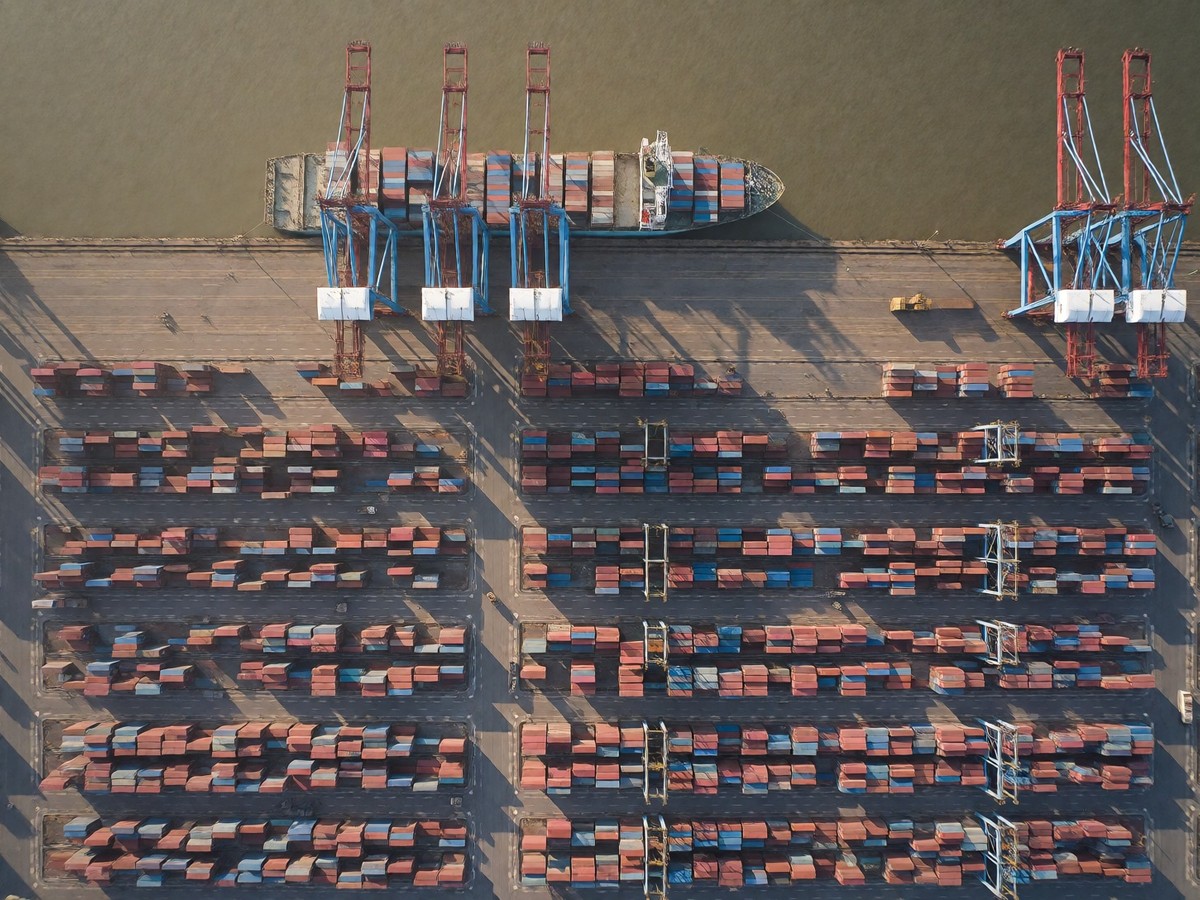
Donald Tusk and Narendra Modi met in New Delhi to outline aims to double bilateral trade by 2030. While the leaders discuss expanding cooperation in mining, shipbuilding, energy, space, and defence technologies, I find the existing trade imbalance difficult to ignore. Poland currently faces a significant trade deficit with India. Last year, Poland exported goods worth €1.4 billion to India, primarily machinery, mineral products, and metals, but imported €4.3 billion in textiles, machinery, and metals. I see this nearly $3 billion gap as a major hurdle for Polish exporters seeking to capitalize on India’s 7% economic growth. Poland expects its GDP to grow by 3.5% this year; it is the second-fastest growing economy in the European Union. Poland’s economy is also on the verge of becoming the 20th largest in the world. The two leaders also discussed ways to deepen economic, investment, and technological ties between the two fast-growing economies. The upcoming EU-India trade deal expected in December targets the reduction or elimination of tariffs on goods that account for 96.6% of the value of EU exports to the Indian market, which Poland intends to use to become "India’s gateway to Europe." Polish Finance Minister Andrzej Domanski noted that while the conditions for growth are favorable, the trade gap remains.
Business expansion and historical ties
Tusk traveled to India with almost 100 Polish business representatives; this is the largest delegation in the history of Polish-Indian relations. These representatives seek entry into the Indian market through sectors like advanced manufacturing, food processing, biotechnology, and mobility. Modi expressed satisfaction with this move. He also announced plans to connect startups through technology hackathons for young people. Beyond these commercial interests, the two nations plan to expand cooperation in critical minerals, raw materials, and coal gasification.
The relationship rests on historical ties, such as when Maharaja Jam Saheb Digvijaysinhji, known in Poland as the "Good Maharaja," provided shelter and care to around 1,000 Polish children evacuated from the Soviet Union during the Second World War. Modi also recalled that in 2022, Poland helped Indian students escaping from Ukraine, a move that demonstrated a spirit of humanity. This friendship coincides with a rise in Indian migration, as Indians became the third-largest group of foreign workers in Poland this year. This group numbers around 25,500 people, an increase of almost 5% over the last year. The ongoing Jamsaheb Memorial Youth Exchange Programme aims to introduce the next generation to this Polish-Indian friendship, following Tusk’s visit, which is the first by a Polish prime minister to India in 16 years.