Putin proposes phone dialogue
Kremlin spokesperson Dmitry Peskov told reporters on Oct. 30 that Vladimir Putin was "open to dialogue with everyone," but Peskov added that "no one has called yet" regarding a phone conversation with Volodymyr Zelensky. I view this offer of remote communication as a tactic to sidestep a face-to-face meeting that Kyiv insists is necessary to address Russian territorial demands and security guarantees. The two leaders have not met in person since the December 2019 Normandy Format talks in Paris, which were mediated by France and Germany. This renewed diplomatic maneuvering occurs as Ukraine, Russia, and the U.S. prepare for talks in Abu Dhabi this November to focus on de-escalation, energy, maritime issues, prisoner exchanges, and a potential trilateral meeting. Kyiv remains focused on the November talks in Abu Dhabi involving Ukraine, Russia, and the U.S. to discuss de-escalation, energy, maritime issues, prisoner exchanges, and the possibility of a trilateral meeting at the leaders’ level. I find the Kremlin’s insistence on phone calls to be a way to avoid the responsibility of making meaningful decisions on the most difficult issues.
Kyiv fears a diplomatic trap
Ukrainian officials privately suspect Moscow is trying to arrange a phone call that would achieve little while avoiding the prospect of a face-to-face meeting. A senior Ukrainian official told the Kyiv Independent that a phone call without U.S. involvement cannot resolve pressing issues such as security guarantees or final decisions on territory. "Territorial issues can only be discussed by the leaders of the countries at war, and only at their level," Zelensky told reporters on Oct. 27. This skepticism follows a May 16, 2025, attempt where Zelensky invited Putin to Istanbul for trilateral talks with U.S. President Donald Trump, but Putin sent a delegation led by a low-level presidential aide, Vladimir Medinsky, instead. I find the Kremlin’s pattern of challenging Zelensky to come to Moscow instead of meeting in a neutral location to be a way to undermine the peace process.
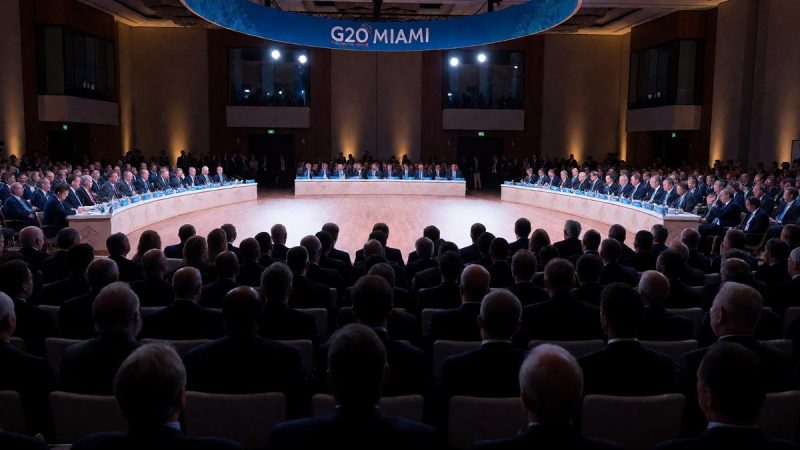
Trump said after meeting Putin in Alaska in August 2025 that he was working to arrange a meeting, though Trump later noted that Putin is reluctant to meet because "he doesn’t like him." Washington supports a leaders’ meeting. Some people familiar with the matter suggest a G20 summit in Miami this December could serve as a venue if Putin accepts Trump’s invitation. Ukrainian officials argue that Russian representatives lack the authority to make decisions regarding parts of Donetsk and Luhansk that Russian forces failed to capture. Zelensky has called for a ceasefire along the current front line, whereas the Kremlin has repeatedly rejected a ceasefire and demanded the surrender of those eastern regions. A senior Ukrainian official told the Kyiv Independent that Putin must "come out of his bunker" to personally confirm the end of the war during trilateral talks.