Water and metro disruptions in Kyiv
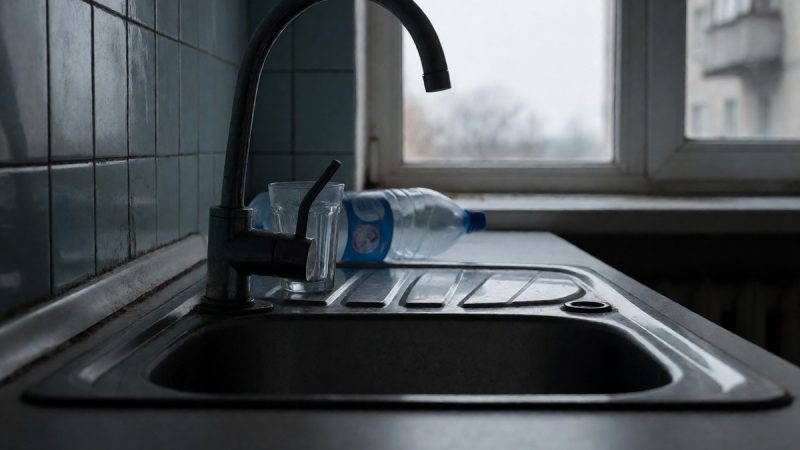
Kyiv residents faced renewed water supply disruptions on Nov. 5 as voltage fluctuations following Russian attacks also affected metro operations, local authorities said. Following the largest attack on energy facilities in 2026 on Nov. 3, Russian activity cut off water supplies across Kyiv for more than 24 hours. Kyivvodokanal, the municipal utility for water and wastewater, reported power outages at its facilities around 1:30 p.m. local time that disrupted water supplies across all districts. Mayor Vitali Klitschko stated at 3:13 p.m. local time that water pressure in the capital’s supply system was gradually returning to normal. The Energy Industry Research Center director Oleksandr Kharchenko told the Kyiv Independent that repair work is limited because constant attacks prevent the stabilization of an energy grid damaged by Russian forces over the last 3 months. He noted that Russian forces destroyed power generation at three combined heat and power plants in January 2026. Kyivvodokanal lacks backup power generation to operate large pumping stations, although diesel generators exist for smaller stations. Around noon, the Kyiv City State Administration reported that voltage fluctuations temporarily suspended train services on the line running across both banks of the Dnipro River. Services resumed at 1:05 p.m. local time, but trains ran at nine-minute intervals instead of the usual three to five minutes.
Deadly strikes and pharmaceutical shortages
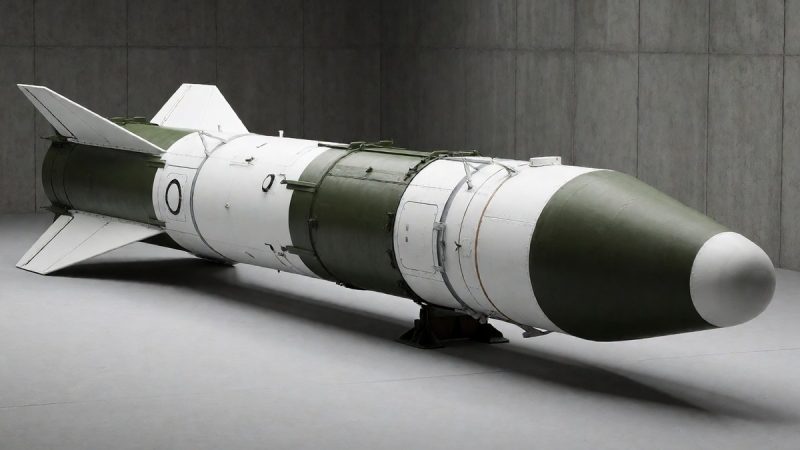
Russian forces killed 43 Ukrainians in the village of Komyshuvakha in Zaporizhzhia Oblast, leaving 33 people missing as of Nov. 5. One bomb was a 3-ton FAB-3000 that contained more than 1,000 kilograms of explosives and possessed a blast radius of up to 250 meters. President Volodymyr Zelensky called the event an "exceptionally horrific strike" and noted that Russian forces could not have been unaware that local residents who remained in Komyshuvakha received humanitarian aid there every week. Two rescue workers, Denys Konovalenko and Oleksii Sushchevskyi, who were both 44 years old, died in the strike. A 53-year-old military medic from Zhytomyr, Oleksandr Zaryashchuk, also died in the strike, and his daughter Oleksandra Vaskivska said she saw a video of him in the shelter in the last minutes before the second strike. A 56-year-old woman named Olha was discovered alive and well on Nov. 5, according to a report from regional police chief Artem Kysko on Facebook. Russian strikes on the drug supply chain have left pharmacy shelves empty for many Ukrainians with chronic illnesses. Since August, strikes have damaged warehouses belonging to the country’s largest pharmaceutical logistics companies. The Health Ministry told the Kyiv Independent that Russia hit pharmaceutical warehouses and logistics facilities seven times in September alone. Experts warn that patients with chronic conditions could see gaps in supply in the coming weeks as pharmacy stocks run down because a factory in Sumy that produced unique drugs was destroyed.
Detentions and combat losses
Poland’s Internal Security Agency detained six people on Nov. 5 who were suspected of working for Russian special services. Tomasz Siemoniak, Poland’s minister-coordinator of special services, said the group illegally supplied Russia with military-grade materials to produce ammunition and weapons systems. The detainees include five Polish nationals aged between 25 and 52 and a 37-year-old Russian woman. Four of the six detainees face pretrial detention on espionage charges, while two remain under noncustodial preventive measures. Oleksandra Kazarovytska, age 44, died in an illegal Russian pretrial detention center located in occupied Crimea on Oct. 25. Kazarovytska had returned to Sevastopol to help her parents sell their apartment, and Russian occupation authorities claimed she committed suicide after being held in solitary confinement for three months. In late October, 59-year-old Sergei Mulivanov, a Latvian supporter of Russia, was sent to the war after receiving a forced conscription following his arrest for fraud. Ukraine’s General Staff reported that Russian combat losses in October 2026 reached 54,400 soldiers.