Kyiv casualties and embassy strikes
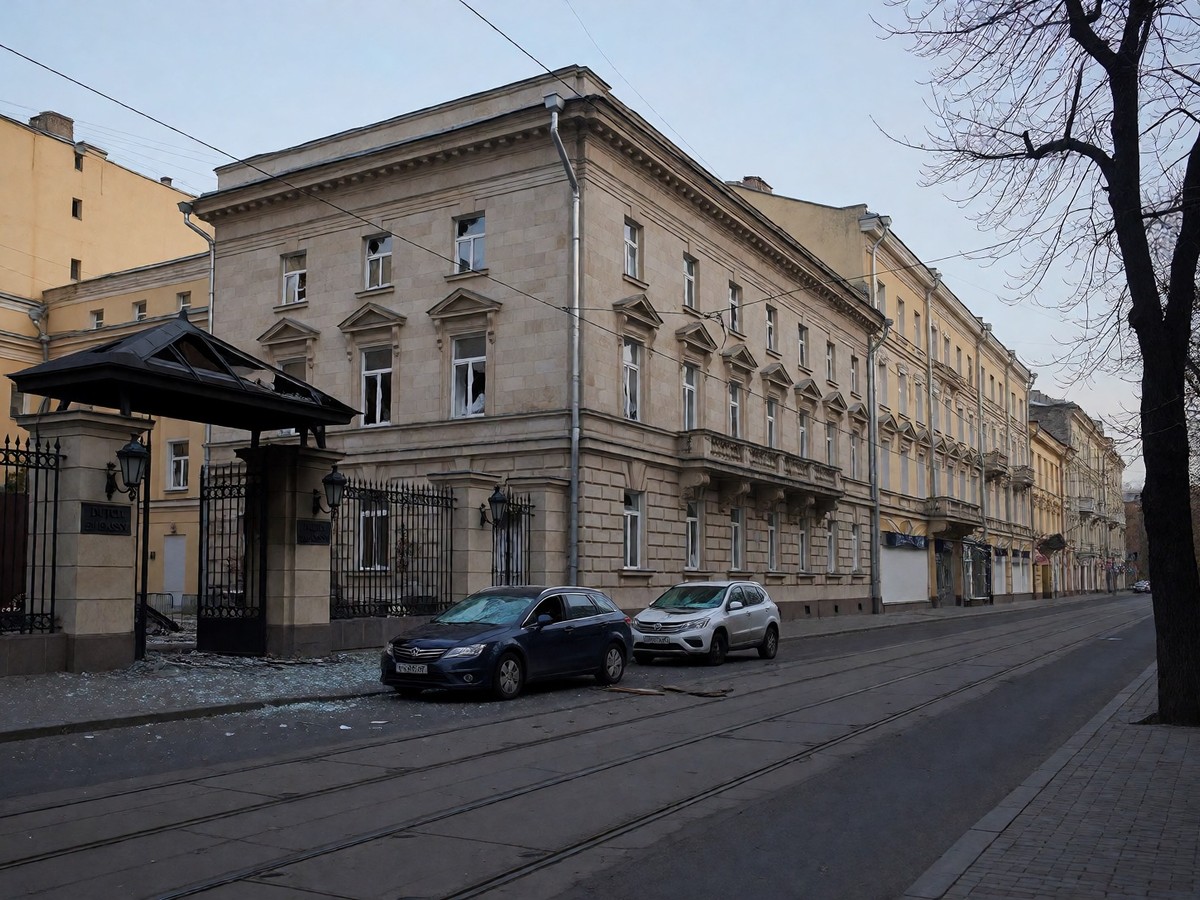
A Russian drone raid on Kyiv killed a 26-year-old man and injured five people. Kyiv Mayor Vitali Klitschko said the fatality occurred in the Podilskyi district, where drone debris also fell in the Obolonskyi district. The Podilskyi district contains many restaurants, cafes, and offices. In the Podilskyi district, a projectile struck behind the Dutch embassy and damaged cars, a security post, and windows. Dutch Foreign Affairs Minister Tom Berendsen said a projectile struck behind the Dutch embassy in the Podilskyi district, where it damaged cars, a security post, and windows, and all staff remained unharmed during the hours-long attack. The Austrian Embassy sits in the Shevchenkivskyi district near St. Volodymyr’s Cathedral, where windows also shattered during the attack. Austrian Foreign Minister Beate Meinl-Reisinger said she ordered additional measures to protect embassy staff after the attack. Culture Minister Tetiana Berezhna said the strike damaged cornices at St. Volodymyr’s Cathedral, although preliminary assessments found no damage to the murals or structural elements.
Bridge strikes and Putin’s refusal to negotiate
Ukrainian forces hit the Crimean Bridge with Neptune missiles on November 19, which halted all train traffic. This attack follows a November 17 strike that collapsed a section of the roadway. The Ukrainian Defense Ministry confirmed hits near the arch and the railway tracks. Ukrainian defense company Fire Point, which produces the Flamingo missile, reported that the attacks involved more than 16 strikes using multiple weapon systems, including Flamingo and Neptune missiles. The Neptune missile, which Ukraine used to sink the Moskva in April 2022, has a Long Neptune upgrade capable of hitting targets up to 1,000 kilometers away. The original Neptune is a ground-launched, domestically produced anti-ship missile with a maximum range of 300 kilometers. The Ukrainian Defense Ministry said the bridge supplies materiel to Russian forces fighting in occupied southern Ukraine, but that the "conveyor belt" has now broken down. The alternative route for cargo runs overland along the front line, where Ukrainian drones wait for the cargo. Russian President Vladimir Putin said on November 19 that Moscow will not negotiate ceasefires covering energy infrastructure and Black Sea shipping. Putin said the damage is "serious." He added that retaliatory actions will be "far more painful" than what Ukraine did to the bridge. He previously discussed the possibility of ceasefires with members of Russia’s Security Council but rejected those discussions following the strikes.
Fuel shortages and isolation in Crimea
Fuel restrictions took effect at midnight on November 19 for the Atan and TES gas station chains in occupied Sevastopol. Mikhail Razvozhaev, head of the Sevastopol occupation authority, said the measures followed panic buying by residents. Video footage from the monitoring channel Exilenova+ shows long queues of cars at gas stations in the city. Drivers can fill their vehicle tanks and buy up to an additional 20 liters of fuel in canisters. Residents also used containers of up to 500 liters to buy gasoline. This rush for fuel occurred after occupation authorities introduced restrictions on November 18. A resident of occupied Crimea told the channel Supernova+ that her husband cannot visit her by train because of the bridge damage. Tomas Jermalavicius, Head of Studies at the International Centre for Defense and Security, said the growing isolation of the peninsula may weigh on the minds of illegal Russian settlers. He said that when the bridge becomes a major burden to the regime, it may shape public sentiment around the future sustainability of Moscow’s imperial ambitions. The bridge was built after the 2014 occupation of the peninsula.